In brief
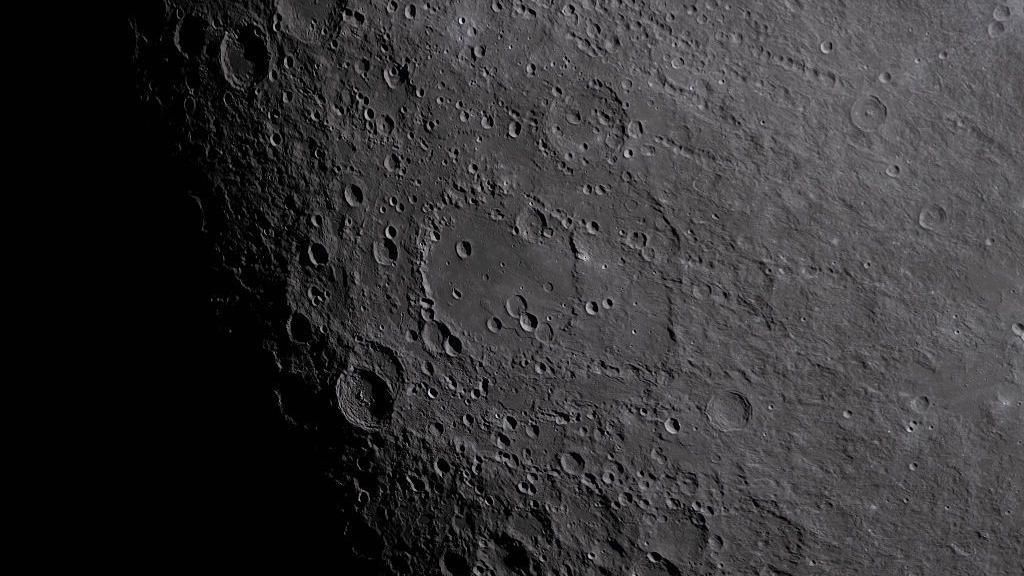
Scientists predict tomorrow’s impact of a SpaceX Falcon 9 upper stage into the Moon’s daylight side. The 4‑tonne booster, travelling at 2.43 km/s, will create a ~56‑ft crater near Einstein Crater. With no atmosphere to slow it, the collision will launch a plume of dust up to several hundred kilometres wide, offering a chance to study lunar geology in real time. Major observatories and NASA’s Lunar Reconnaissance Orbiter will monitor the event, while amateur astronomers are encouraged to record the flash. The incident also underscores the growing threat of space debris as more satellites fill orbit.
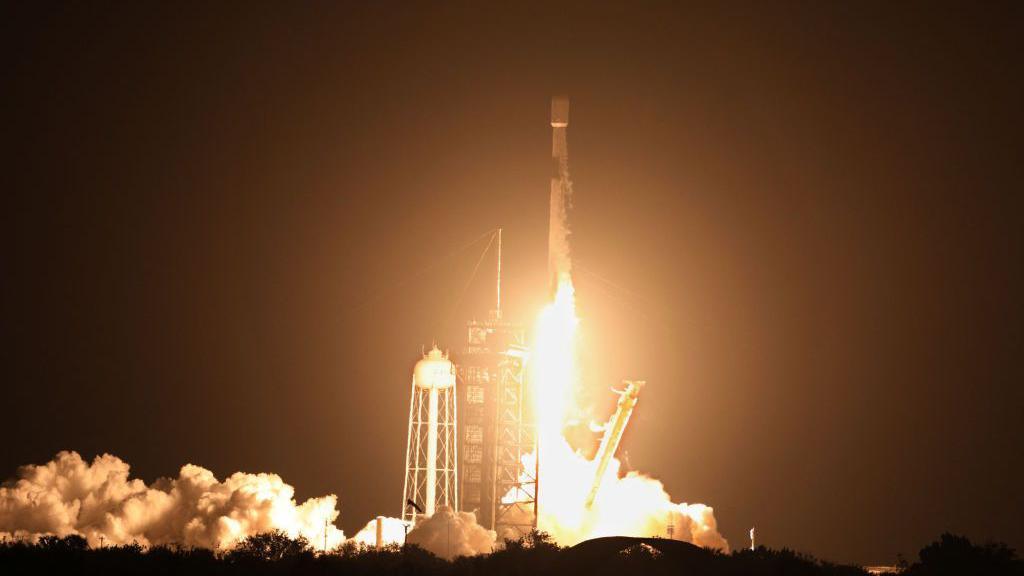
On 5 August 2026, the upper stage of a SpaceX Falcon 9 rocket, launched in January 2025, is set to collide with the Moon’s daylight side, creating a new crater and a spectacular plume of dust. The 4‑tonne booster, traveling at 2.43 km/s (≈5 400 mph), will hit near Einstein Crater, producing a hole about 56 ft wide.
Despite the Moon’s lack of atmosphere, the impact will send a burst of material thousands of kilometres high, spreading sideways over time. Astronomers worldwide will track the event using telescopes and NASA’s Lunar Reconnaissance Orbiter, offering a once‑in‑a‑lifetime laboratory for studying lunar geology.
The collision is harmless to Earth. “There is no danger to Earth,” said NASA spokesperson Jimi Russell, adding that the booster will be monitored for training and scientific purposes.
Scientists hope to use this accidental crash as a testbed for understanding impact physics on bodies without atmospheres. “It’s a unique chance to study what happens when an object hits the Moon,” said Dr Matt Bothwell of the University of Cambridge.
The event highlights the growing problem of space debris. “Every year we put more objects into orbit,” Bothwell warned. “Controlling the cascade of collisions is vital to protecting future missions.”
For enthusiasts, the collision is not visible by naked eye but can be captured with telescopes capable of detecting the flash. Citizen‑science initiatives invite amateurs to film the impact, adding to the global catalogue of lunar impacts.
SpaceX’s Falcon 9 is a reusable lifter; however, parts shed in orbit—such as the upper stage—remain for prolonged periods, becoming potential impactors on celestial bodies until they collide. This incident, the first in several decades of human‑made crashes, shows how modern space operations must balance reusable rockets with the long‑term sustainability of space environments.