Romania Shuts Sole Nuclear Plant as Danube Water Drops
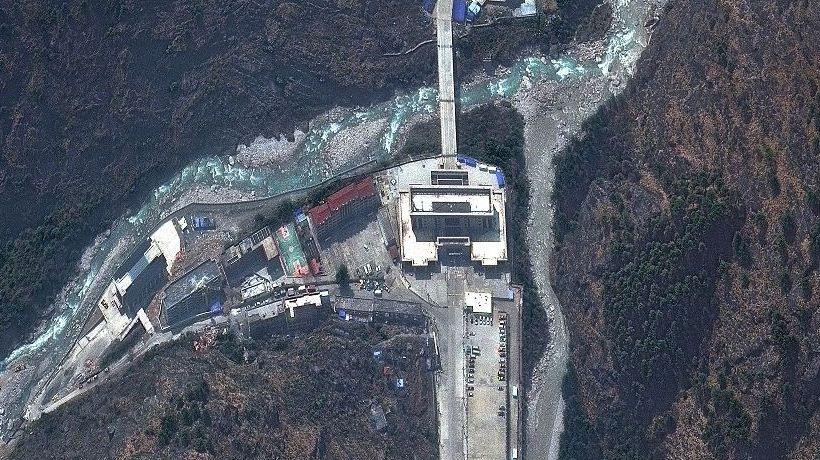
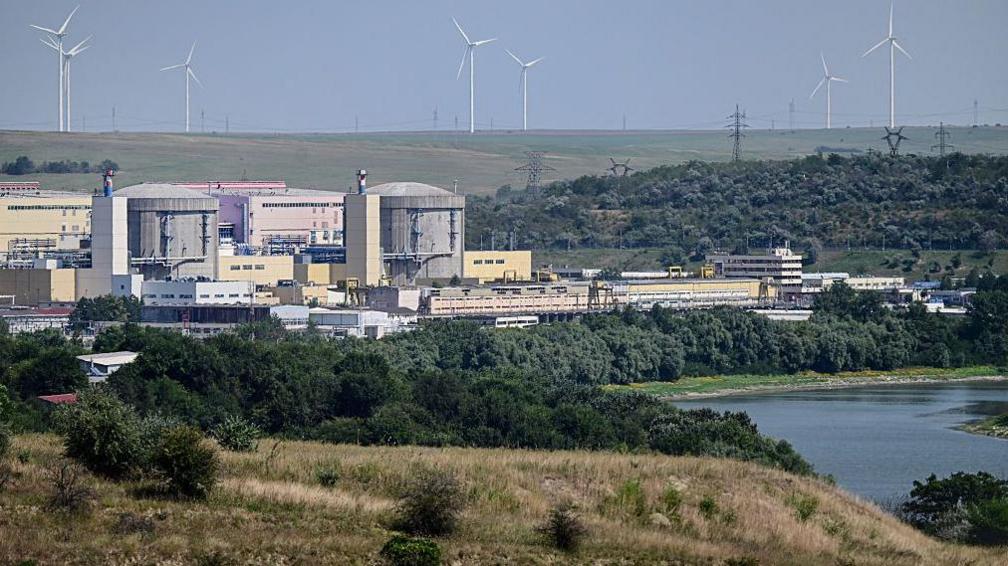
Romania’s Cernavodă nuclear power station is offline after a drastic fall in Danube river levels triggered by an extended heatwave. The plant supplies roughly 20 % of the country’s electricity, and the shutdown threatens to broaden an already strained grid.
Officials had already decommissioned one 706‑megawatt reactor in July. The second reactor was disconnected from the grid just before noon on Thursday. Because the Danube’s low flow cannot reach the cooling nozzles, the plant cannot operate safely.
Hydropower plants in the country are also affected, as is the single Paks plant in Hungary, though the latter has managed to stay open so far. The situation is part of a wider European trend of cold‑water shortages with record‑low Rhine levels and heightened power demand.
Energy shortfalls are being compensated mainly by renewables—solar and wind—during the hot afternoons, while coal and gas emissions cover evening peaks. Importation of electricity will be required to keep markets stable until cooling water returns to normal levels.
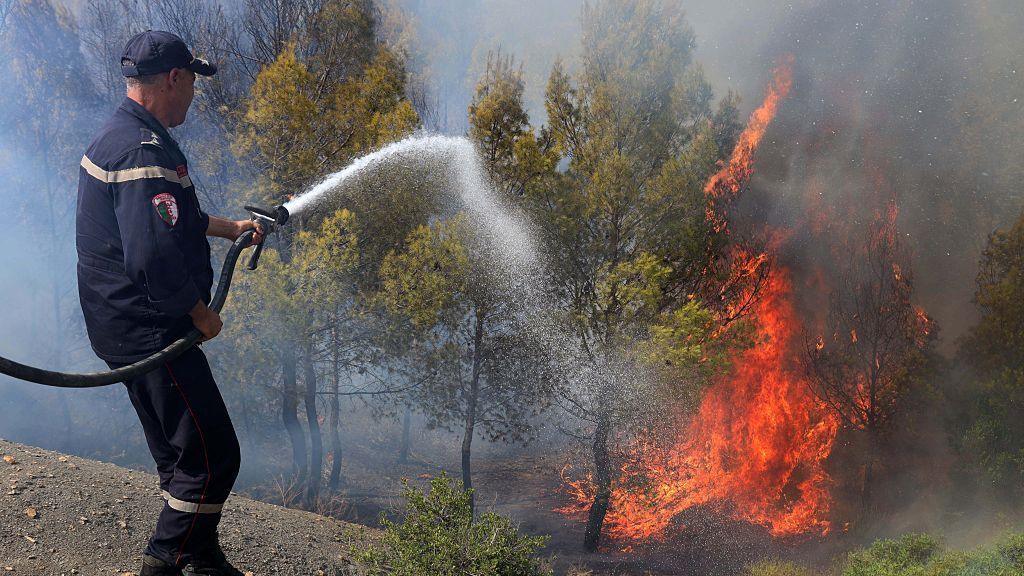
Climate scientists linked the heat surge to broader warming patterns, stressing that hotter European summers will increase water‑resource pressure and fire risk, adding to economic repercussions across the continent.