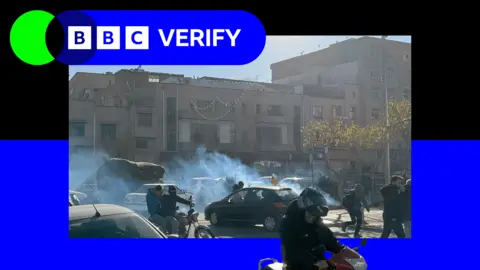
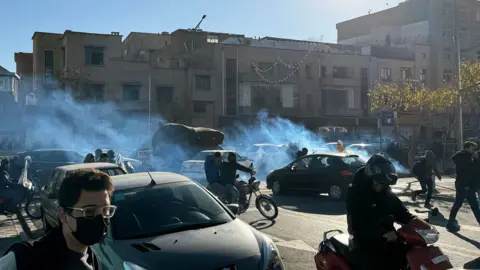
Massive protests have erupted across Iran, featuring large crowds marching in Tehran and other cities in what is being described as the largest show of defiance against the clerical regime in recent years. Verified videos on social media depict peaceful demonstrations with protesters calling for significant political change.
Initially sparked by economic grievances, particularly the sharp depreciation of the Iranian rial and surging inflation rates, these protests have quickly transformed into a broader critique of the country’s leadership. In Mashhad, demonstrators openly called for the ousting of Supreme Leader Ayatollah Ali Khamenei and expressed support for Reza Pahlavi, son of the last Shah of Iran.
According to the Human Rights Activist News Agency (HRANA), unrest has spread to 140 cities across all 31 provinces, leading to at least 34 protesters and 7 security personnel reported dead, along with over 2,000 arrests. Norwegian rights organizations have placed the death toll higher, to at least 45 individuals, including children.
The protests, now in their twelfth consecutive day, began on December 28, driven by economic frustrations following another drop in the value of the rial, worsened by international sanctions and government mismanagement. University students have joined the movement, and chants against the ruling clerics have amplified as unrest continues throughout the country.
Despite violent clashes in some areas, many of the rallies have proceeded without heavy security intervention, suggesting a significant shift in public sentiment, with many Iranians expressing a readiness to voice their dissent against the current regime.