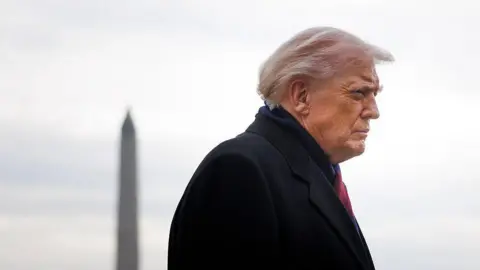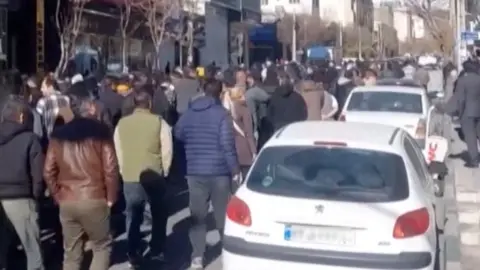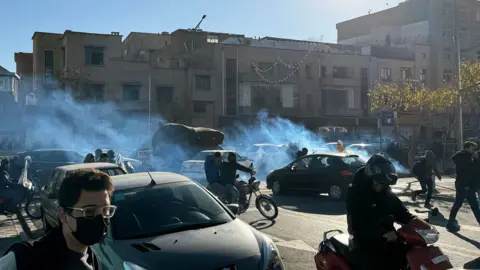
Iran is no stranger to street protests, but several factors surrounding the current unrest make it particularly serious. Monday marks the ninth day since demonstrations erupted, with President Trump issuing a direct warning to Iranian leaders regarding the treatment of protesters.
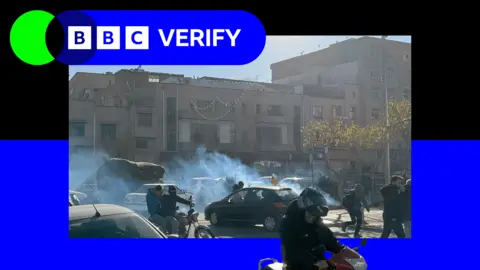
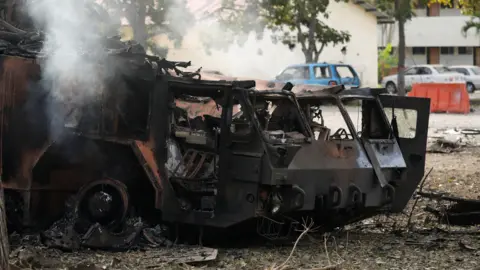
On December 28, protests began peacefully, driven by public anger over rampant inflation and a steep devaluation of the national currency. The US's involvement and threats have created a heightened atmosphere around the protests, now seeing reports of violence from police against demonstrators.
Multiple factors have led to the current discontent, including economic sanctions from the US, rampant corruption, and a series of high-profile cases involving government officials accused of profiting from the ongoing crisis. These issues have led many Iranians to believe that the ruling elite is exploiting the situation.
Merchants in Tehran were among the first to openly protest the government's handling of the economy, demanding immediate intervention. As protests spread, slogans shifted from purely economic to political, calling for a change in government.
The latest unrest comes after a 12-day war with Israel in the summer of 2025, which diminished Iran's military capabilities and overall regional standing. This reflects a broader narrative of decreasing support from allies and increasing vulnerability for the current Iranian regime.
Notably, Iran's supreme leader, Ali Khamenei, is under intense pressure as the political landscape shifts. The combination of domestic protests and international isolation raises questions about the government's ability to maintain control in this volatile environment.