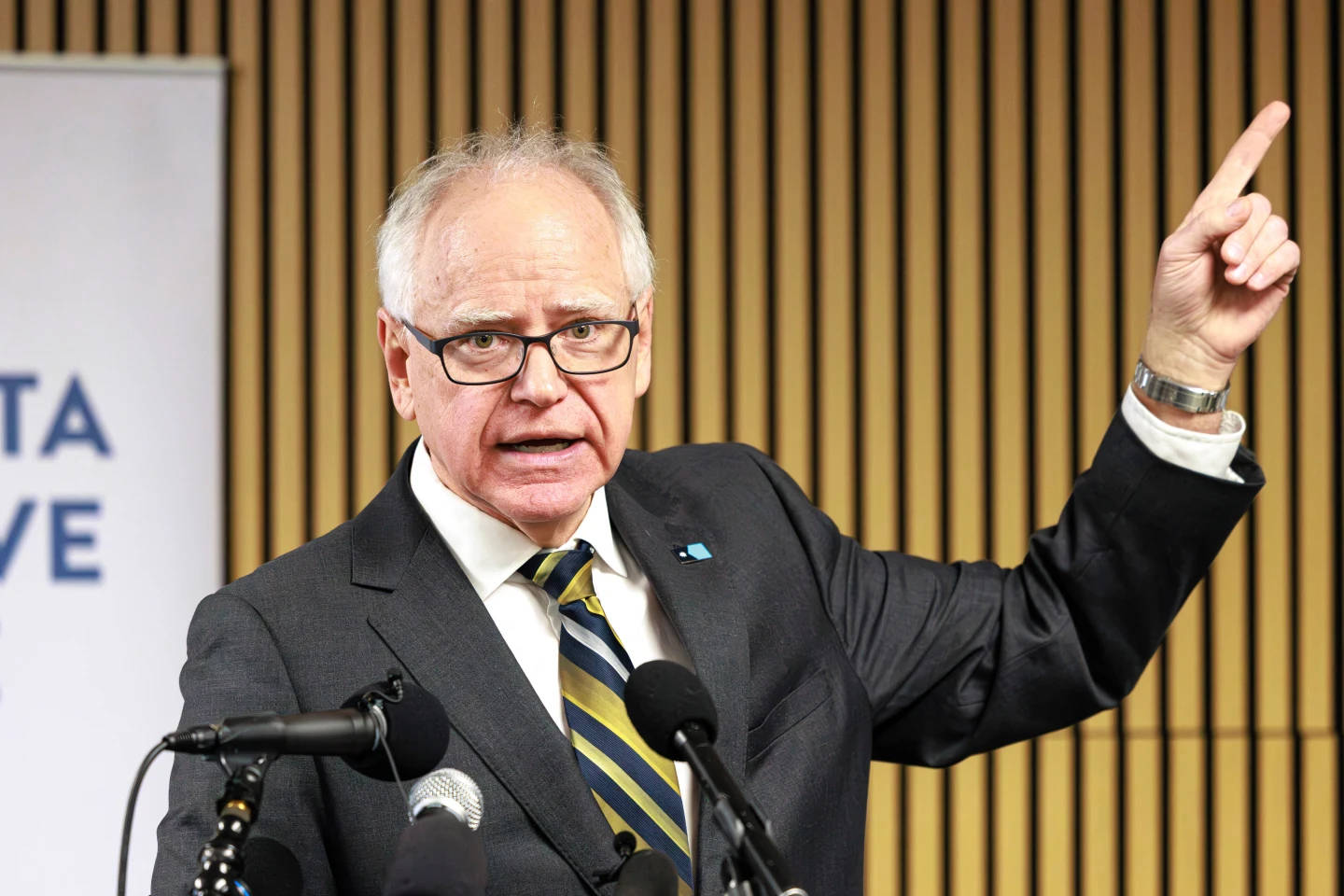
MINNEAPOLIS (AP) — Minneapolis was on edge Thursday following the fatal shooting of a woman by an Immigration and Customs Enforcement officer amidst the Trump administration’s latest immigration crackdown. Governor Tim Walz has urged residents to remain calm while schools have canceled classes and activities as a precautionary measure.
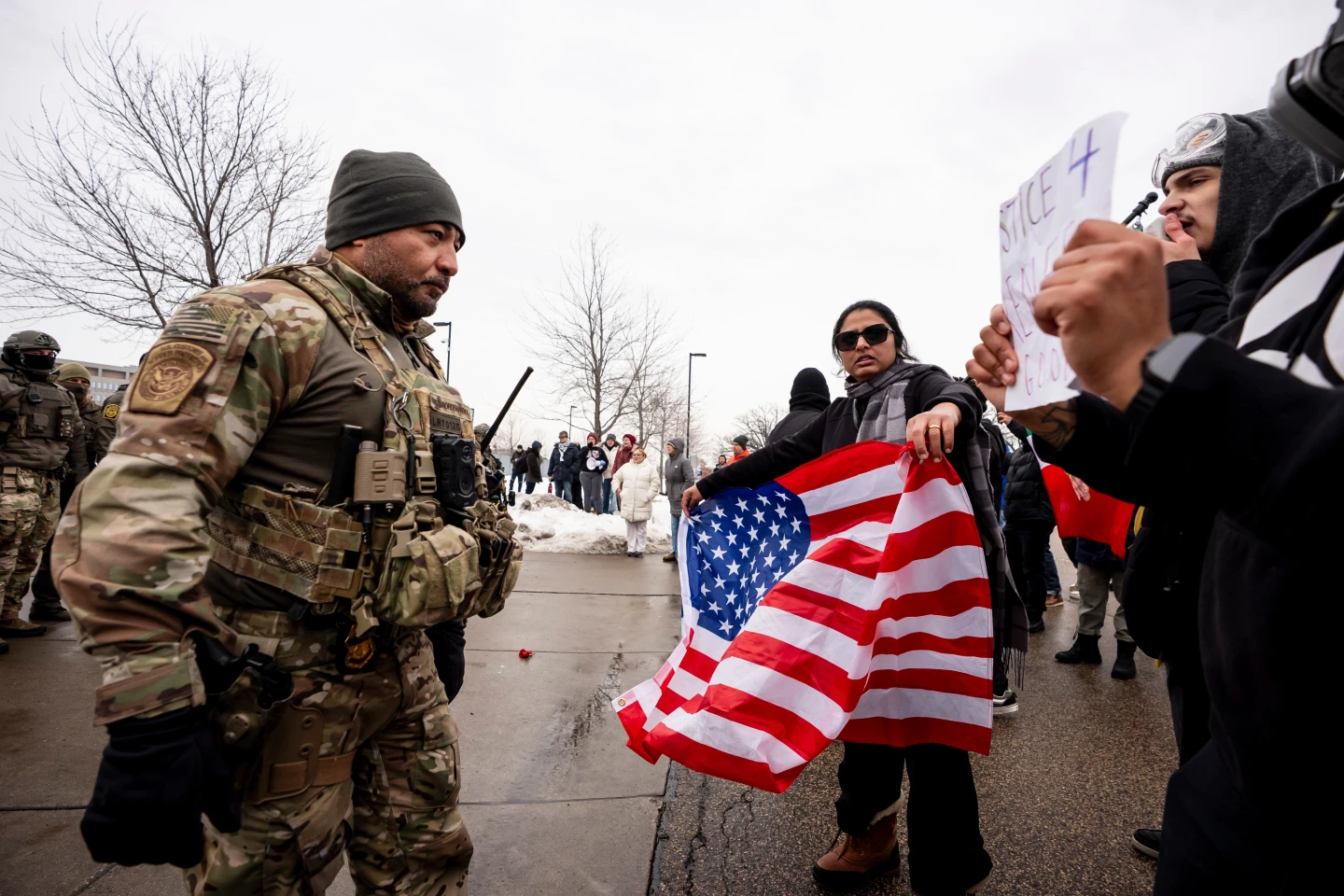
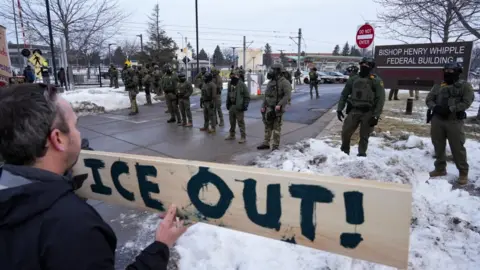
State and local officials have insisted that ICE leave the state after 37-year-old Renee Nicole Macklin Good was shot. However, Homeland Security Secretary Kristi Noem remarked that the agents are not going anywhere amid a crackdown that has seen over 2,000 officers deployed and more than 1,500 arrests across the region.
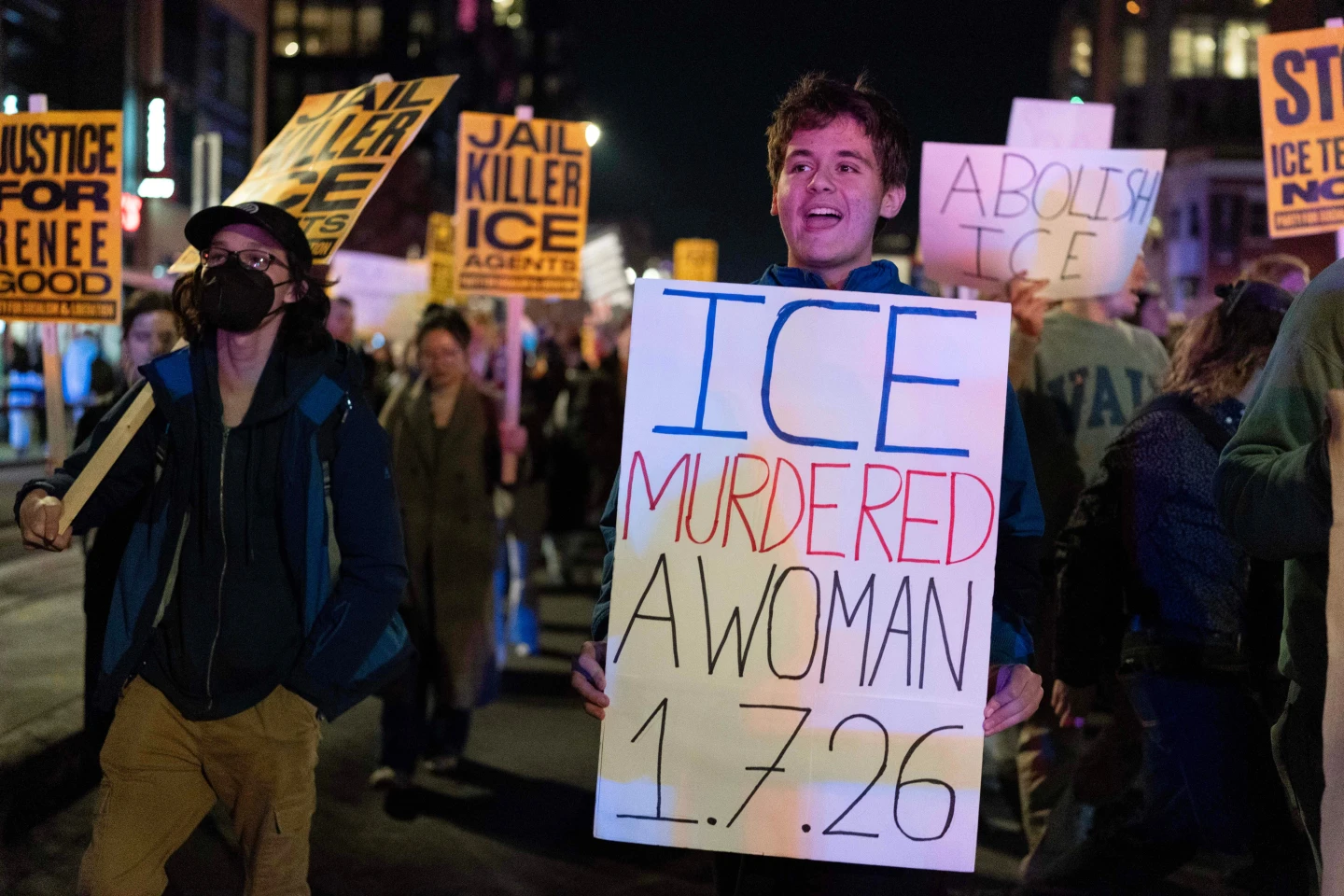
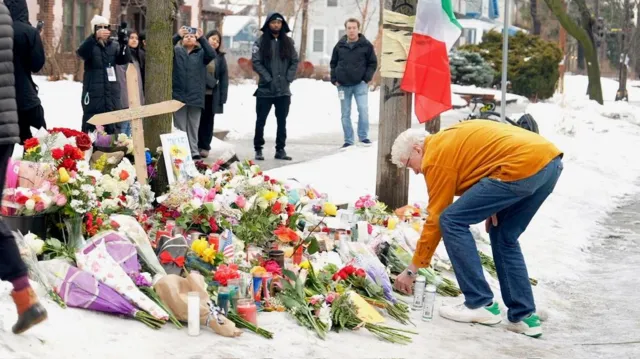
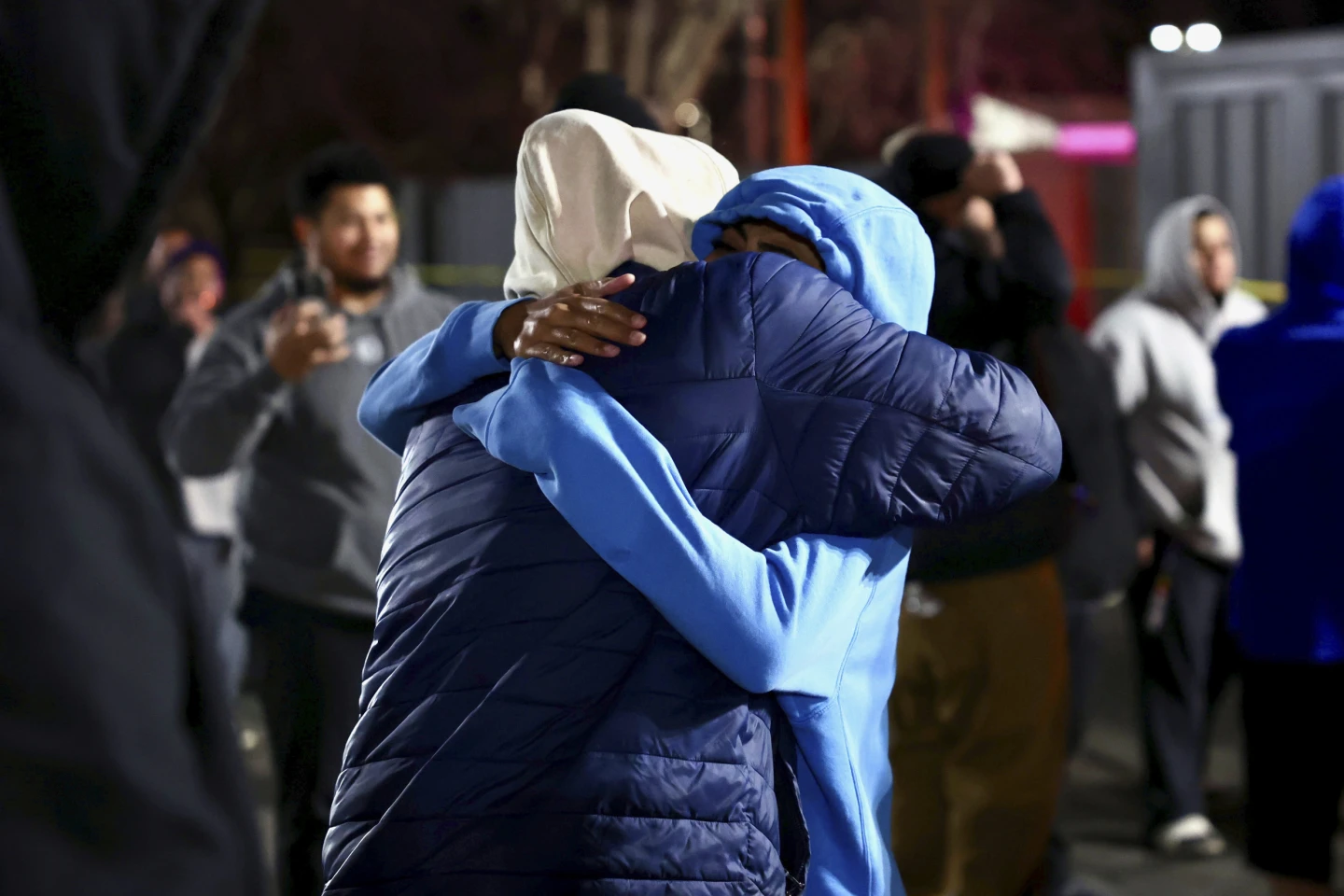
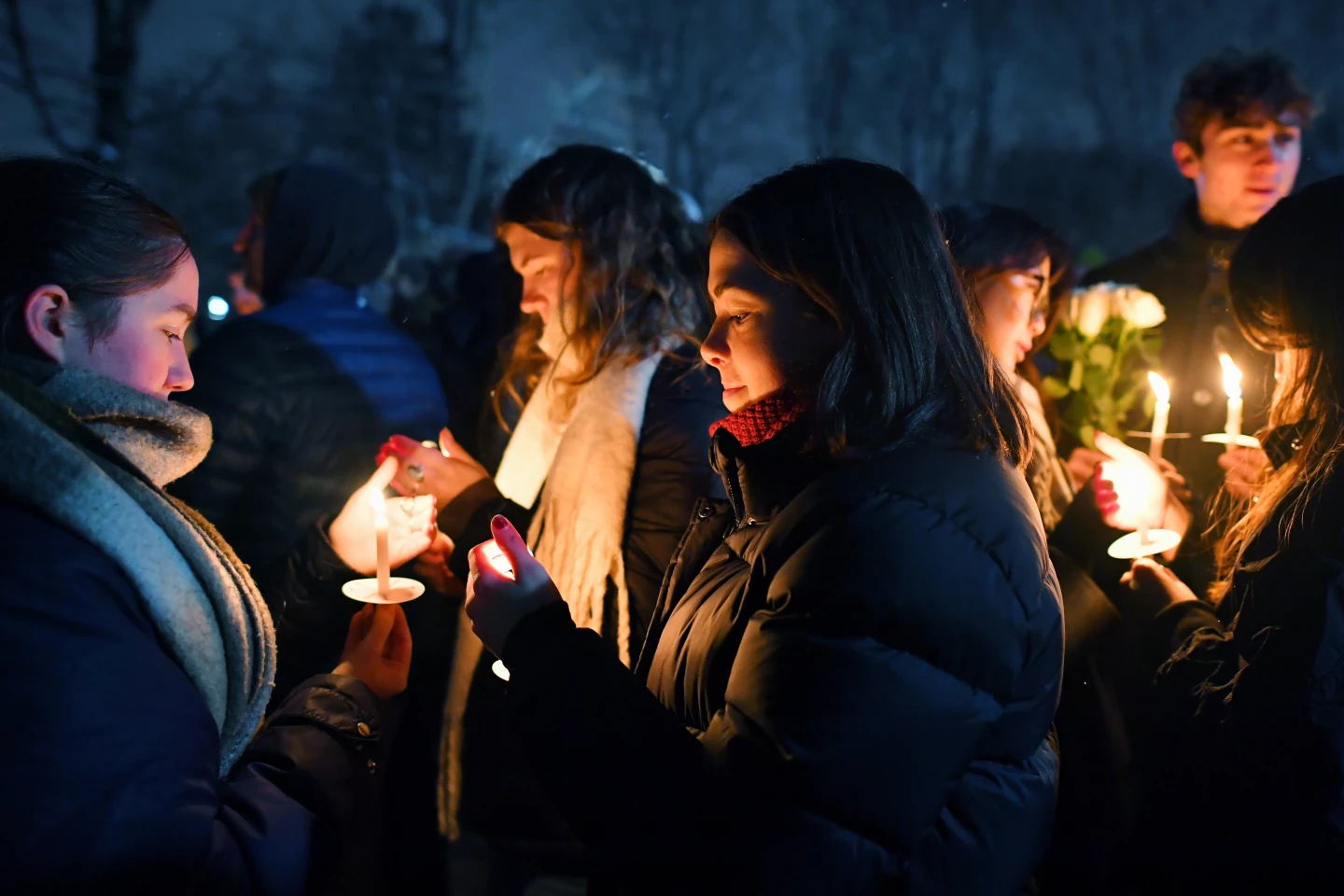
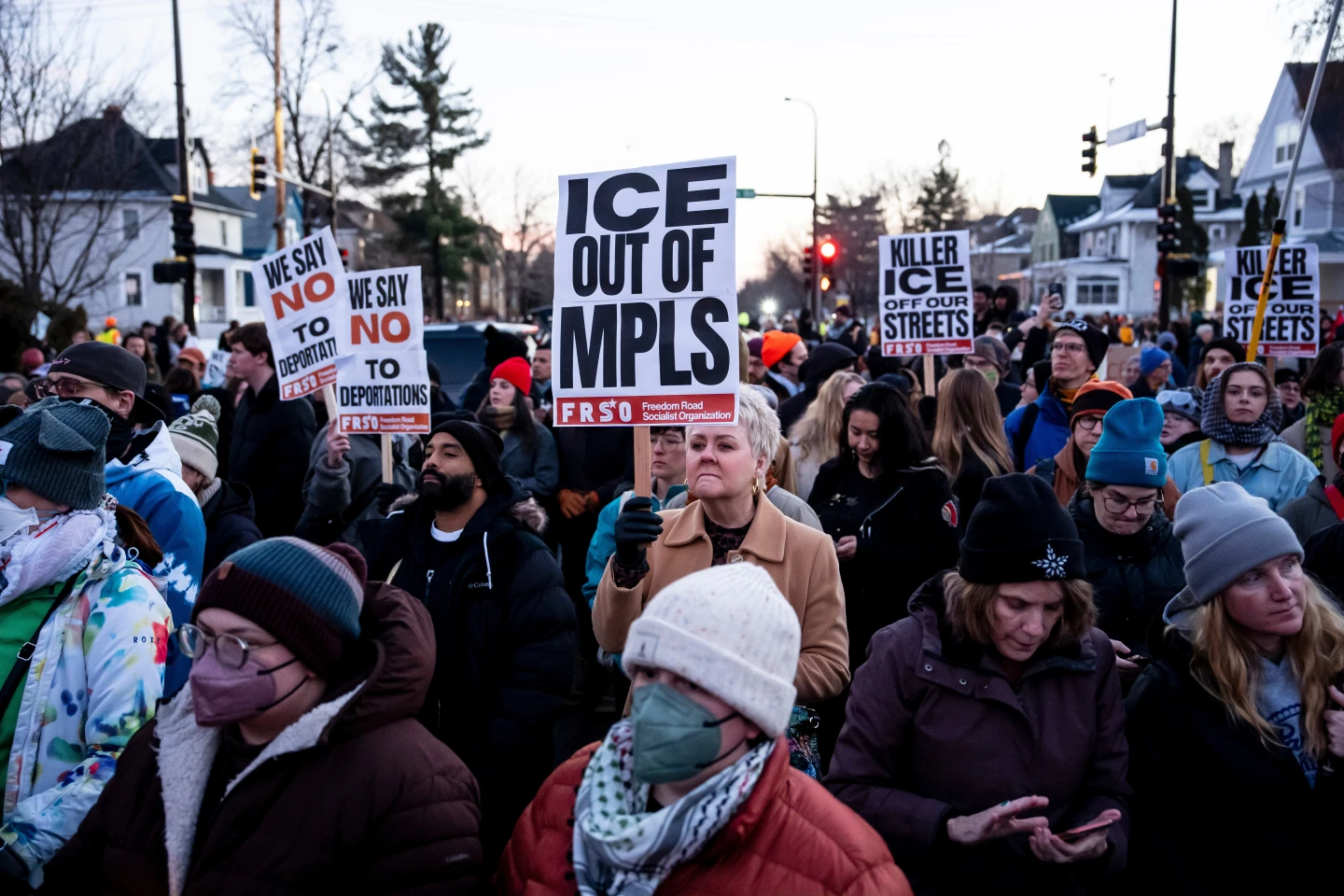
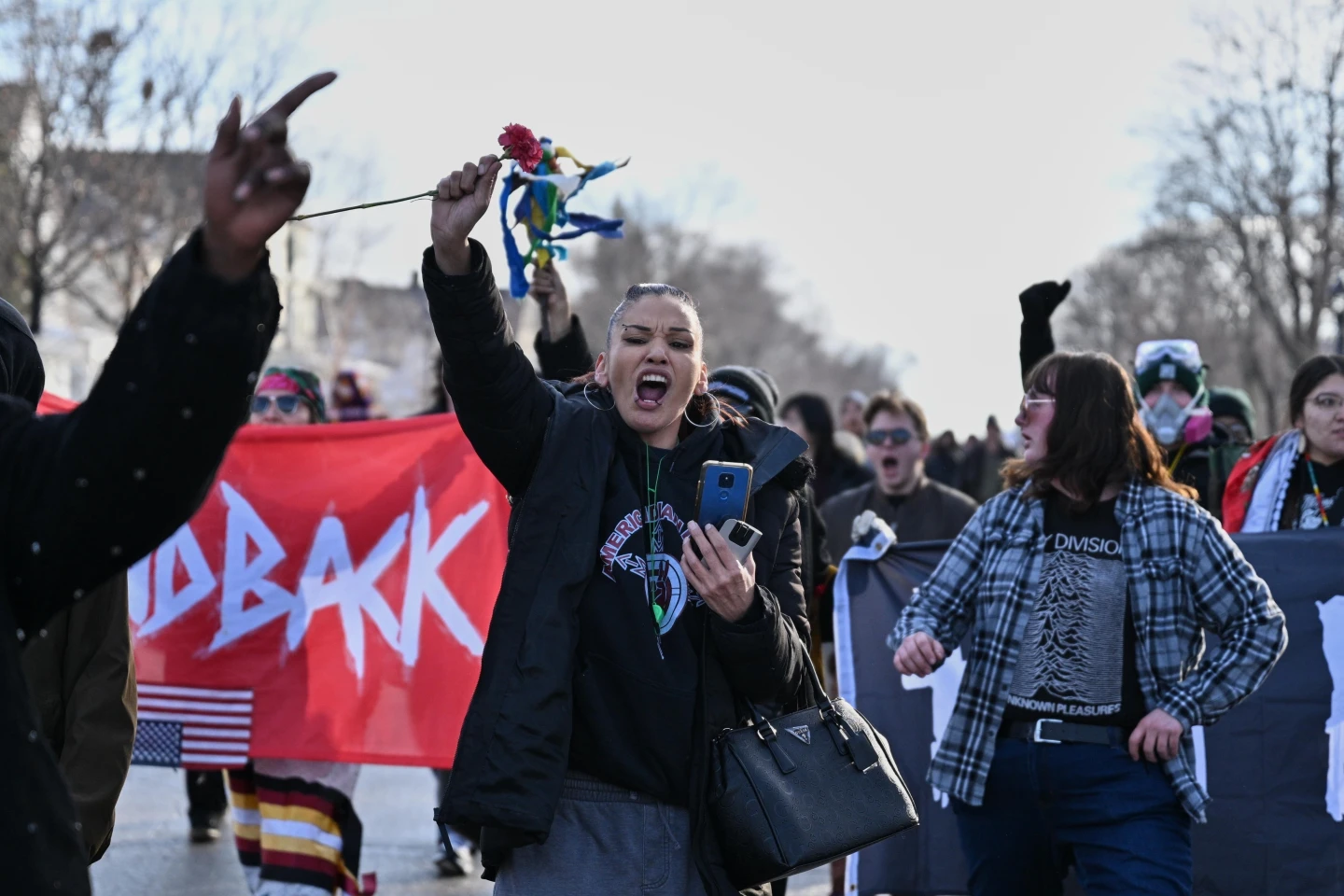
The incident, which occurred in a residential area south of downtown Minneapolis, was captured on video by witnesses. This led to a vigil attended by hundreds that evening to mourn Macklin Good and call for an end to immigration enforcement. Despite chants and protests, the event remained peaceful.
Sander Kolodziej, who attended the vigil, expressed, I would love for ICE to leave our city and for more community members to see what happens. With escalating tensions, streets were filled with demonstrators calling for accountability.
The disturbing footage shows an officer demanding the driver of an SUV to open the door. As the vehicle pulls forward, another officer fired shots at close range. It remains unclear whether the vehicle made contact with the officer.
In the aftermath of the shooting, Noem labeled the encounter an “act of domestic terrorism” while asserting the officer acted in self-defense. Conversely, Minneapolis Mayor Jacob Frey criticized the portrayal of the incident as self-defense, declaring that the optics did not support the claims made by federal officials.
The fatal shooting adds to growing unrest surrounding immigration policies, marking a dark chapter in a series of enforcement actions connected to the crackdown that has already led to multiple deaths. Minneapolis officials have vehemently opposed the approach, with social media calls for accountability gaining traction.
Community leaders and officials continue to express outrage, indicating that the episode is part of a larger pattern of contentious immigration policy that has disproportionately affected vulnerable communities.