In brief
In May, U.S. consumer confidence eased to a low of 93.1, the first fall in three months, even as the economy grew. Rising gasoline costs and inflationary pressures have pushed families to trim spending. While households earning $100 000+ saw confidence rise, most others reported a decline. The University of Michigan’s consumer sentiment index also hit a record low, underscoring widespread uncertainty ahead of the midsummer elections.
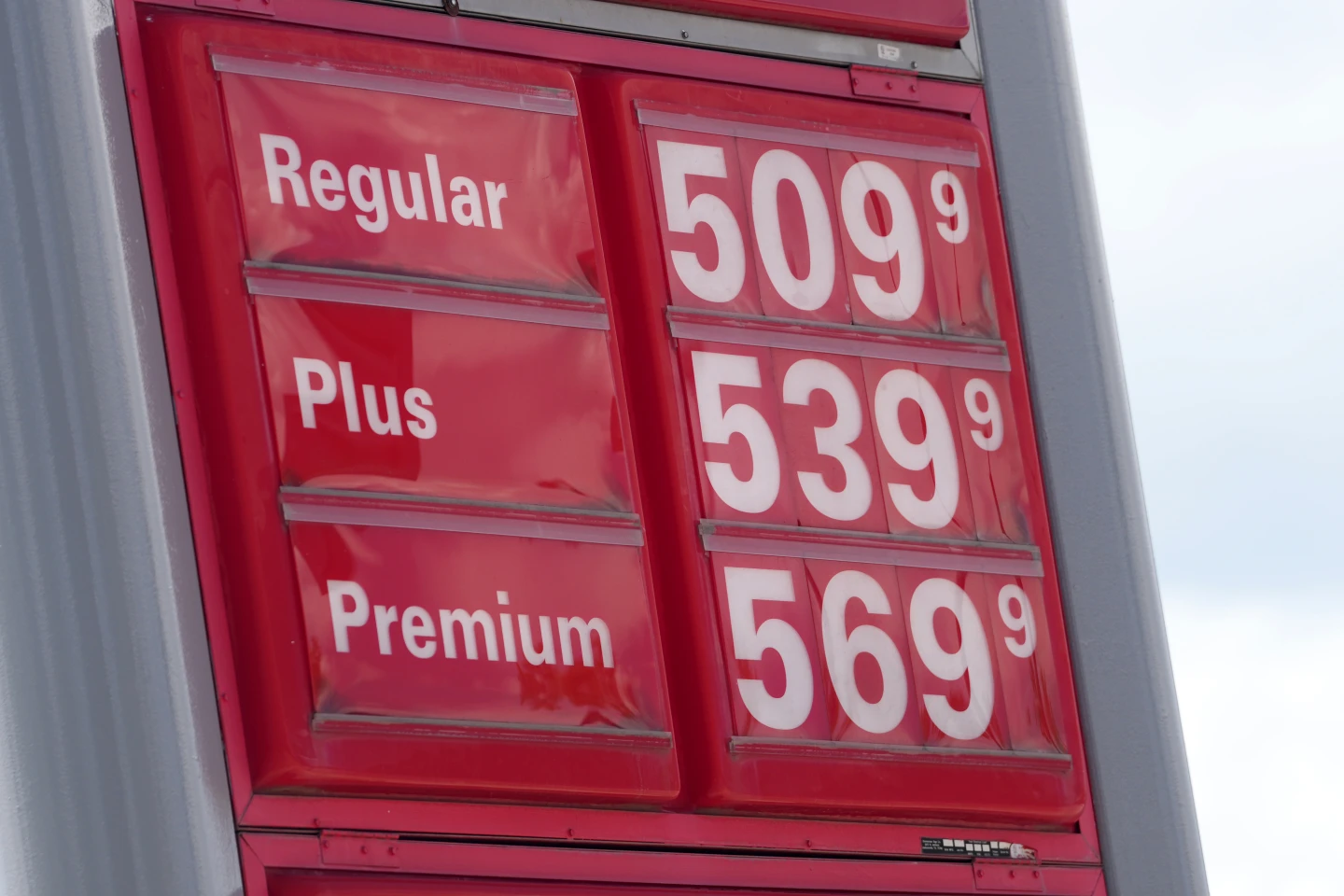
WASHINGTON (AP) — U.S. consumer confidence slipped in May, falling 0.7 points to 93.1, the first decline after a three‑month streak of gains. The drop comes amid persistently high gas prices and an inflation rate that has stayed well above the Federal Reserve’s 2 % target.The Conference Board’s consumer confidence index is a key gauge of how households feel about the economy. While the value has not fallen as sharply this year as some other sentiment measures, it has been stuck at a low level since the pandemic, hovering far below the pre‑COVID peak of around 130.A parallel survey from the University of Michigan released last week reported a record‑low consumer sentiment score of 44.8 in May, its third straight down year. The decline reflects a growing sense that rising prices are eroding personal finances.Gasoline prices have surged to a national average of $4.49 a gallon in May, versus $2.98 just before the opening of the Iran war in late February. The sustained high fuel cost has forced many Americans to alter their spending habits – two‑thirds of respondents cut back on discretionary purchases and delayed costly items such as cars, appliances, and big‑ticket electronics.Food prices, too, have climbed more quickly following higher shipping costs, and beef prices have spiked after drought-related reductions in cattle herds. In April, U.S. inflation rose to 3.8 %, the highest in three years.Higher prices have diminished inflation‑adjusted incomes: average hourly wages shrank in April versus the same period a year earlier for the first time in three years. Retail sales adjusted for inflation even declined in April, after a solid uptick in March.The job market remains resilient, with unemployment numbers staying low, but optimism about new opportunities has slipped. Only 25.5 % of respondents thought jobs were plentiful – a three‑year low – while 18.6 % said jobs were hard to come by, the smallest share since October.For households earning $100 000 or more, confidence grew in May; however, most other income groups reported a decline.The prospect of higher prices and faster inflation continues to loom over confidence readings, said Ben Ayers, senior economist at Nationwide. Many households are taking a more cautious approach to purchases this year.While there were some positive signals – such as improved expectations for six‑month growth and a modest outlook on the job market – confidence remains subdued overall.As the midsummer elections approach, these trends may pose headwinds for Republicans. Recent polls show voters are increasingly dissatisfied with President Trump’s economic stewardship, potentially impacting the party’s midterm prospects.In short, while the economy is still growing, unchecked inflation and gas prices are leaving American households with less room for discretionary spending, leaving their confidence in a fragile state.