In brief
In recent days, significant protests have erupted among factory workers across northern India, demanding better wages and working conditions. The unrest stems from stagnant wages compared to rising living costs and government inaction. With many workers living precariously on low incomes, the protests reflect deeper systemic issues within India's industrial framework.
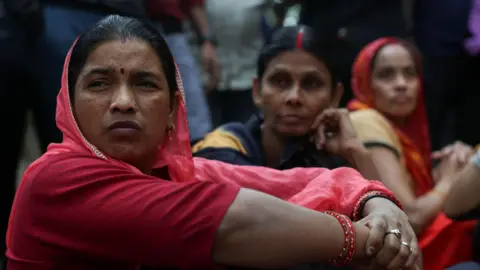
Earlier this week, rare scenes unfolded in Noida, a satellite city of India's capital Delhi, as thousands of factory workers blocked roads, demanding higher wages and better working conditions. Most were non-unionised contract workers employed in small factories across industrial clusters, producing auto parts, electronics, and garments. They earn between 10,000 rupees ($107; £79) and 15,000 rupees a month—wages that have largely remained unchanged for years. Many are migrant workers, living hand-to-mouth in cramped housing on the city's outskirts.What began about a week ago as small, mostly peaceful protests has since escalated, with violence reported in areas like Noida where police used tear gas to disperse crowds and arrested more than 300 people. The unrest is driven, in part, by stark pay disparities between states, highlighted by a recent 35% minimum wage increase in neighbouring Haryana following similar demonstrations.Despite recently announced wage increases by the Uttar Pradesh government, many workers claim these amounts fall short, reflecting a broader struggle for fair pay that continues to fuel protests. Factory worker Soni Singh reported that his payslip does not reflect the time he puts in—typically working 12 to 14 hours a day but only getting paid overtime for three.Experts indicate that inconsistent enforcement of labor laws and varying state minimum wages create frustrations among workers, particularly in Noida, a critical manufacturing hub. Many workers express distrust towards employers and feel compelled to accept unfair pay conditions.The protests have taken a political turn, with Uttar Pradesh Chief Minister Yogi Adityanath labeling the violence as a conspiracy against development, while opposition figures like Rahul Gandhi express solidarity with the workers. Amid the ongoing economic expansion, it's evident that significant strains exist within India's labor market, highlighting how nine in ten Indian workers earn less than 25,000 rupees monthly, reinforcing the pressure on household budgets as living costs rise.With the lack of formal union leadership marking these protests and indications of support from other sectors, the dissatisfaction among India's workforce hints at a growing cost of living crisis that transcends factory walls, sparking calls for deeper policy reforms to ensure fair and sustainable working conditions.