In brief
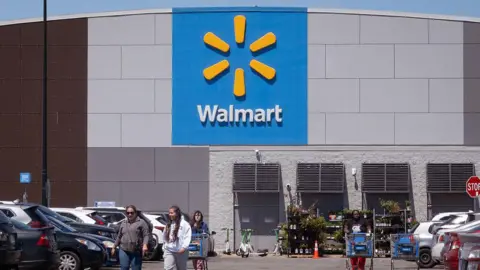
Walmart's CFO John David Rainey revealed that higher petrol costs are driving US shoppers to cut spending on groceries and other essentials, even as tax refunds from the OBBBA bill begin to fade. With petrol prices now at $4.56 per gallon (up from $3 initially), Walmart forecasts a sales growth slowdown to 4-5% between May and July, down from previous quarters. The retailer also warned of potential food price hikes if Strait of Hormuz remains closed.
Walmart has sounded the alarm that soaring petrol prices are forcing US shoppers to drastically cut spending across all categories. The retail giant, which reports $177.8 billion in quarterly sales, warned of a sharp slowdown in growth between May and July compared to the previous quarter, attributing this directly to the Iran conflict that has driven oil prices to record highs.In a CNBC interview, CFO John David Rainey revealed that while tax refunds from President Trump's One Big Beautiful Bill Act (OBBBA) temporarily eased pressure, the effect is rapidly diminishing. 'As we're in a period where those tax refunds are largely not coming in, I think consumers are going to feel more of that pressure from higher fuel prices,' Rainey explained.The crisis is hitting households hard: AAA data shows average petrol prices have jumped from $3 to $4.56 per gallon since the conflict began. With Walmart's shares falling 7% following the warning, analysts warn this marks a turning point in consumer spending power. AJ Bell's Danni Hewson noted, 'A consumer facing rising fuel costs will continue to seek out the kind of value that Walmart has become synonymous with after price cuts beginning last year.'The retailer also issued a chilling warning about potential food shortages. Rainey cautioned that prolonged closure of the Strait of Hormuz could disrupt fertilizer supply chains, forcing Walmart to hike food prices as nitrogen and phosphate shortages threaten global agriculture. While first-quarter profits rose 18.8% to $5.3 billion, Rainey stressed this growth cannot be sustained as consumers face dual pressures from inflation and petrol costs.With the war in the Middle East showing no signs of de-escalation, Walmart's forecast serves as a critical barometer for America's economic health. As Rainey warned, 'The ripple effects are already spreading across household budgets—this isn't just a fuel crisis, it's a spending crisis.'}