In brief
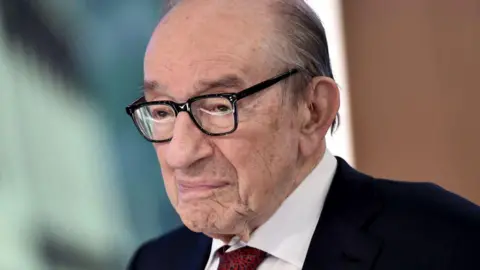
Alan Greenspan, the long‑time chairman of the Federal Reserve, died at the age of 100. His tenure shaped U.S. economic policy for nearly two decades, steering the country through decades of growth and crisis. A central figure in monetary policy, he was both praised for stabilising markets and criticised for the global financial collapse of 2008. He left a legacy marked by unprecedented stability and enduring debate over regulation and market power.
The United States mourns the passing of former Federal Reserve chairman Alan Greenspan, who died aged 100, according to his wife, NBC reporter Andrea Mitchell.
Greenspan had guided the U.S. economy for nearly twenty years as the Federal Reserve’s chairman. He is remembered for managing the country’s monetary policy during a record-long period of sustained growth, and for being at the helm during several major shocks, including the September 11 attacks and the 2008 sub‑prime mortgage crisis.
He was a key adviser to presidents from both parties, from Richard Nixon to Barack Obama. His approach was often summarized as “quantitative easing – the buck starts here”, and he championed low interest rates to shore up markets during crises.
Critics, however, blamed Greenspan for the dot‑com bubble of the late 1990s and the housing crisis of 2008, arguing that his tolerance for easy credit and lack of regulatory oversight may have contributed to those crashes. His testimony before Congress in 2009 acknowledged these concerns, stating that he had “put too much faith in the free‑market.”
Throughout his life, Greenspan also provided commentary on global finance, famously warning that the Biden administration raised interest rates too quickly in 2023 and that the United Kingdom’s Brexit decision was “the worst outcome.”
He celebrated his centenary in March 2026, becoming one of the few public figures to live a full century while actively engaging in global economic debate until the end of his life.
Alan Greenspan was awarded the Presidential Medal of Freedom and an honorary knighthood, reflecting the high esteem in which he was held in both America and Britain. He will be remembered as the man who kept the U.S. GDP contracting only once during his tenure, while also contributing to debates that shaped modern regulation and monetary policy.