Israel has become the first country to formally recognise Somalia's breakaway region of Somaliland as an independent nation.
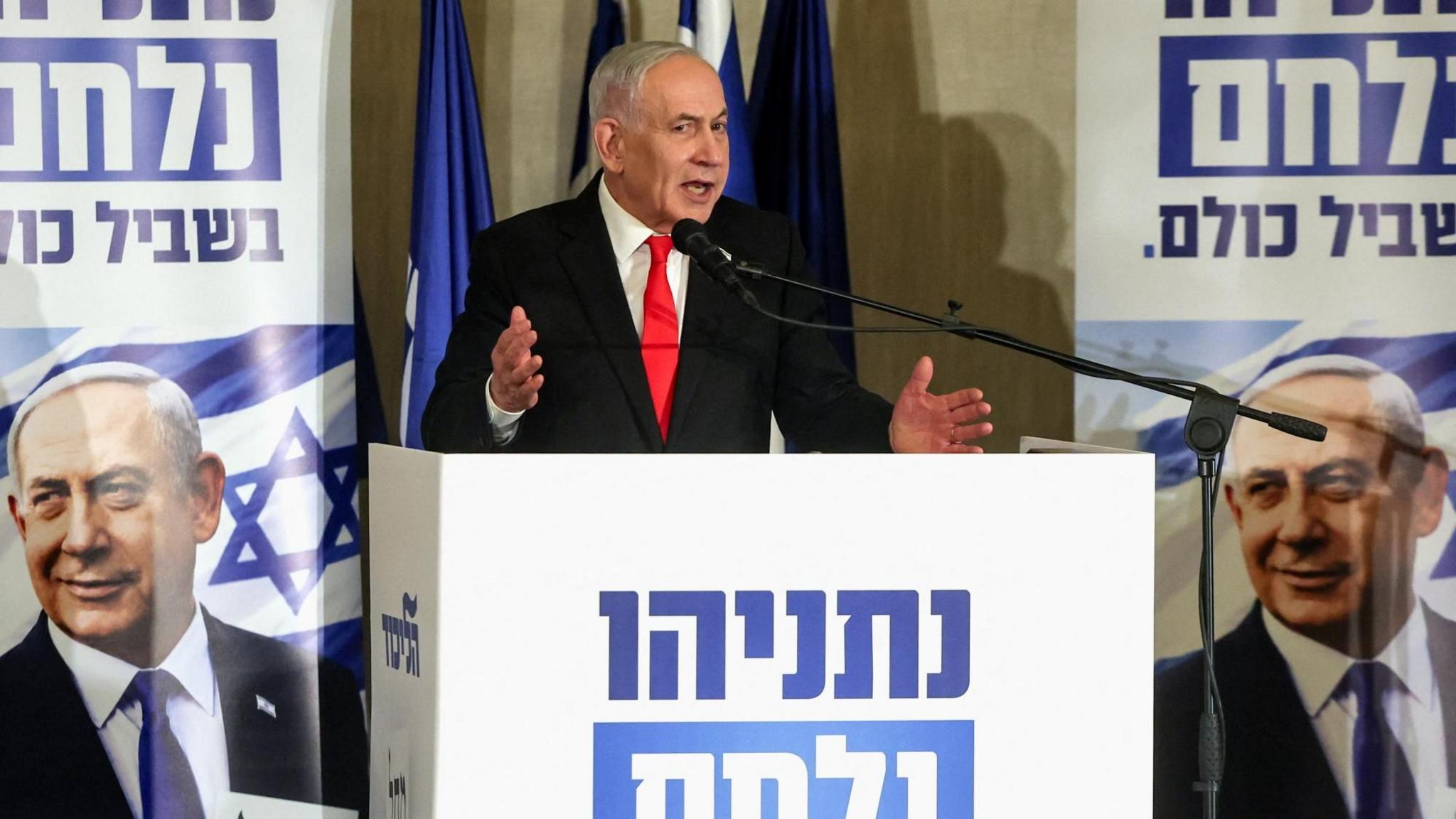
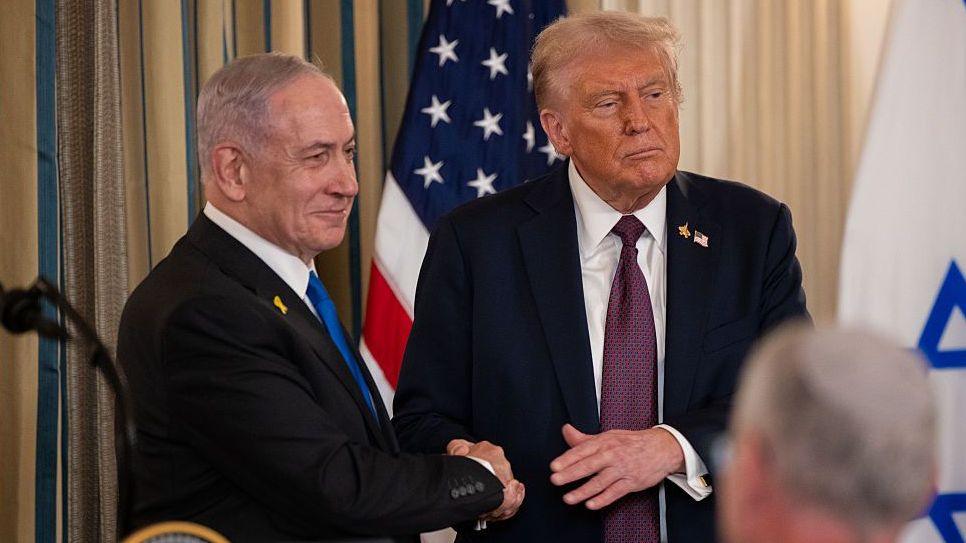
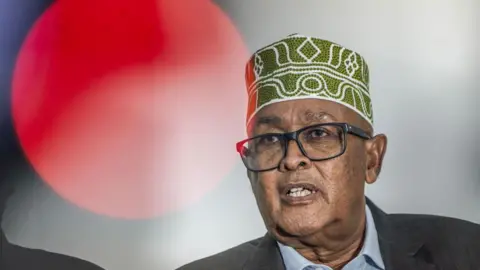
Prime Minister Benjamin Netanyahu announced that Israel intends to expand cooperation in sectors such as agriculture, health, and technology immediately following the recognition. Somaliland's president, Abdirahman Mohamed Abdullahi, called this development a historic moment.
This recognition by Israel could invite other countries to follow, potentially enhancing Somaliland’s diplomatic credentials and access to international markets.
However, the announcement has drawn condemnation from the foreign ministers of Somalia, Egypt, Turkey, and Djibouti. They expressed a united total rejection of Israel's decision, asserting their commitment to Somalia's territorial integrity.
Abdullahi mentioned that Somaliland is prepared to join the Abraham Accords, viewing this step as pivotal for achieving regional and global peace.
Israel's Foreign Minister, Gideon Saar, stated that both countries have also agreed to establish full diplomatic ties, appoint ambassadors, and open embassies in their respective nations.
In response, Egypt’s foreign minister engaged in discussions with counterparts in Somalia, Turkey, and Djibouti to address concerns regarding Israel’s recognition, emphasizing the need to support Somalia's sovereignty and warning against actions that might destabilize the region or create parallel entities in Somali governance.
The foreign ministers reiterated their rejection of any steps that might displace Palestinians, underscoring the broader implications of Israel's recognition of Somaliland.
Israel has actively sought to strengthen its relations with nations in the Middle East and Africa despite challenges posed by recent conflicts, including escalating tensions in Gaza.
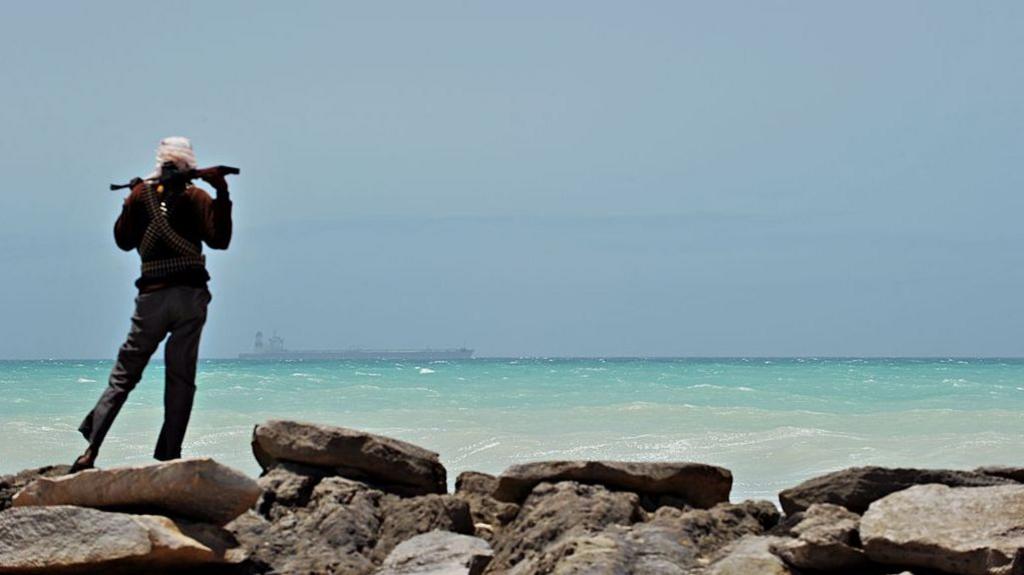
Somaliland holds a strategic position on the Gulf of Aden and has its own currency, passports, and police force. Established in 1991 following a struggle for independence from Somalia, it has long faced international isolation. With a population nearing six million, the self-declared republic has been embroiled in regional disputes including tensions with Somalia and agreements with Ethiopia over regional access.