Behind the Conflict: Key Players and Their Objectives in the Iran War
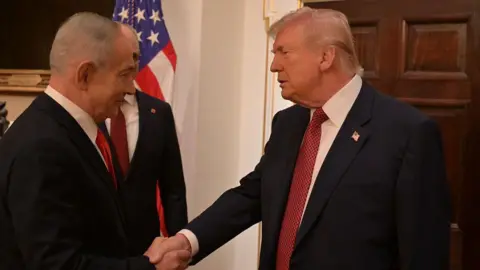
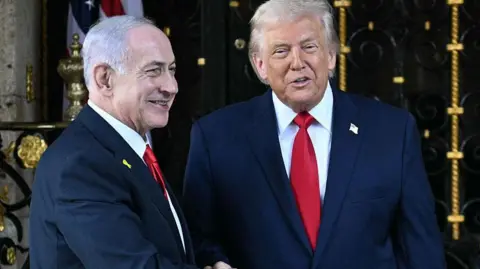
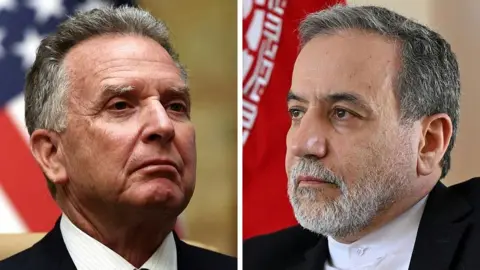
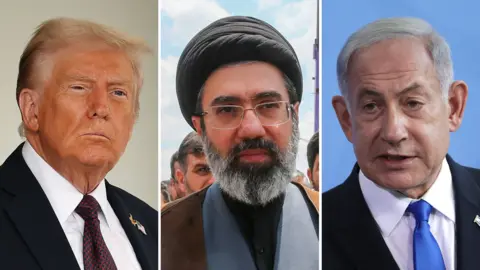
The ongoing war in Iran has seen various nations carving out their objectives amidst the chaos. The United States aims for an endgame that sees a significant curb on Iran's nuclear ambitions while restoring stability in the region. However, the terms of such peace remain contentious, as is evident from the recent indirect negotiations showing slow progress.
For Iran, the pursuit of an honorable way out of the conflict remains paramount. Tehran strategizes on endurance against external pressures and maintains its pivotal position in regional dynamics despite ongoing assaults that have significantly weakened its military.
Israel, whose survival depends heavily on curtailing Iranian military strength, sees the war as an opportunity to dismantle what they consider imminent threats. Their goal is to inflict lasting damage on Iran’s military capabilities, targeting missile stockpiles and infrastructure.
The implications of this conflict stretch beyond immediate military engagements. With fluctuating global oil prices, increasing threats to shipping lanes, particularly in the Strait of Hormuz, and a rising war fatigue amongst the American public, the pressure mounts on President Trump to navigate this war deftly. A perceived failure could have profound implications for political survival back home.
As the airstrikes continue, and both sides brace for what’s next, the dialogue remains critical to understand how this complex mesh of interests will unfold in a region plagued by historical grievances and strategic imperatives.