In brief
President Donald Trump's recent decision to lower tariffs on Indian goods marks a significant shift in trade relations, fostering hope in India while raising questions about specifics and future negotiations. Industry leaders are optimistic about improved access to the US market, but analysts caution against premature celebrations until further details are clarified.
The United States has initiated a new trade agreement with India, a significant shift in the economic relationship between the two nations that has encountered significant challenges over the past several years. President Donald Trump's decision to lower reciprocal tariffs on Indian goods from 50% to 18% has sparked relief within India's economy as stakeholders anticipate a resurgence in trade between the countries.
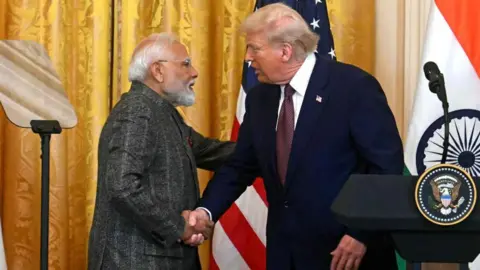
Previously, India faced the world's highest tariffs after the US imposed drastic increases on imports. In a controversial move, tariffs were elevated from 25% to 50% due to India's purchases of discounted Russian oil amid the ongoing conflict in Ukraine. Following a recent phone call with Prime Minister Narendra Modi, Trump asserted that Modi had committed to significantly increasing imports from the US, particularly in energy and agriculture.
While Modi expressed gratitude for the reduced tariffs, stating his desire to elevate the partnership with the US, trade experts remain cautious, emphasizing the need for clarity on what the agreement entails and how it will be implemented.
The announcement has been widely embraced by various sectors of the Indian economy, with textile exporters looking toward expanded engagement in the US market. However, there are lingering uncertainties regarding what specific products may benefit from the new tariff structure.
The trade deal is also seen as a strategic move in light of shifting global alliances, particularly given the rapid strengthening of economic ties between China, India, and Russia in the past year. Analysts note that the easing of trade tensions could encourage India to orient itself more closely with the US amidst its balancing act with regional powers.
In conclusion, while this trade deal signifies a critical step forward for both nations, stakeholders express a desire for concrete commitments and detailed discussions in the months to come.