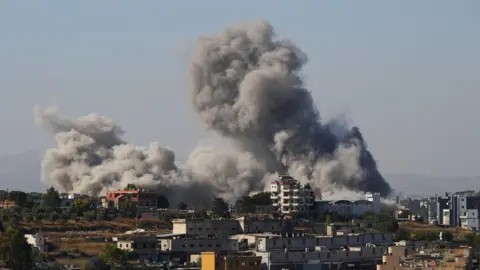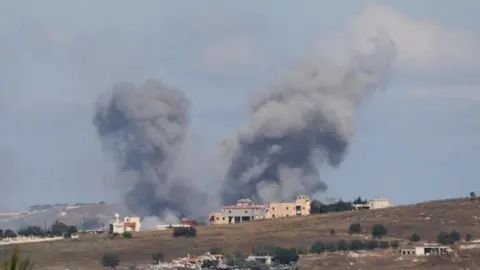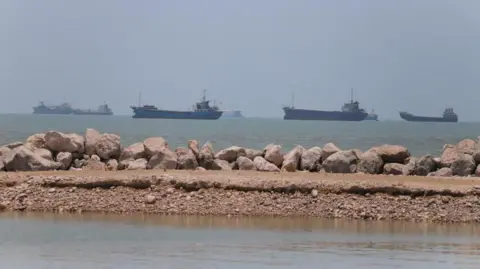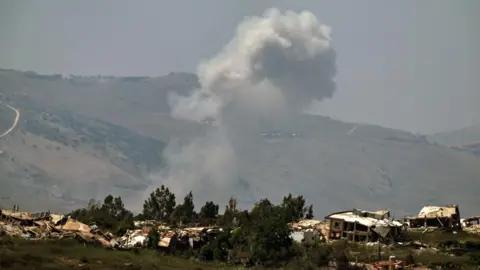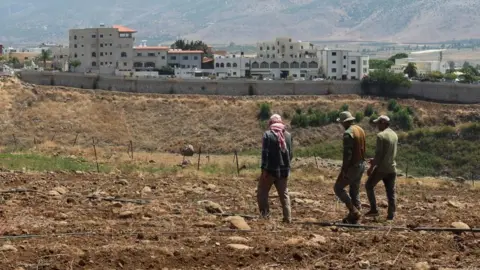
Lebanon has accused Israeli aircraft of spraying an agricultural herbicide over southern villages at concentrations authorities described as dangerously high, raising concerns for food and environmental security.
The agriculture and environment ministries stated that laboratory tests confirmed the substance was glyphosate, a chemical used to destroy vegetation, with concentrations in some samples found to be between 20 and 30 times the levels usually accepted.
President Joseph Aoun publicly condemned the spraying of what he labelled 'toxic substances', asserting it as a violation of Lebanese sovereignty and an environmental and health crime. The Israel Defense Forces (IDF) have not commented on the claims.
The purpose behind the herbicide spraying remains ambiguous, as residents in several border villages reported witnessing the spraying. This incident occurs over a year after a ceasefire concluded a conflict between Israel and the Lebanese Shia Islamist group Hezbollah.
Earlier, United Nations peacekeepers in Lebanon had been informed by Israel of a planned spraying activity near the border, leading them to take shelter and cancel some planned operations. This is not the first time Israeli forces have allegedly released unidentified chemical substances over Lebanese territory.
With many residents still displaced after the recent hostilities, challenges in returning home are compounded. Ramzi Kaiss, a researcher with Human Rights Watch, highlighted how the agricultural dependence of these regions makes it even more critical for locals to address the aftermath of extensive destruction.
Experts warn that such incidents could have severe repercussions for Lebanon’s agricultural sector, which previously suffered damages exceeding $700 million due to the 2024 conflict, as reported by the UN’s Food and Agriculture Organization, particularly impacting the southern regions and Bekaa Valley.
Moreover, environmental groups like Green Southerners expressed grave concern regarding the potential effects on agricultural production and soil fertility. They noted the possible risks to ecosystems already suffering from previous conflicts.
Despite the controversies surrounding glyphosate, the World Health Organization classifies it as 'probably carcinogenic to humans', while other agencies have reached differing conclusions regarding its potential health risks.
The Lebanese foreign ministry plans to submit a formal complaint to the UN Security Council over the alleged spraying incident.