In brief
In the face of conflict, air traffic controllers and pilots are tasked with navigating complex airspace restrictions. With increased traffic and safety protocols, the aviation community works tirelessly to keep passenger flights operational despite the dangers of war. This article explores their strategies and experiences during these tumultuous times.
As tensions flare up in regions like the Middle East, air traffic controllers have been scrambling to manage passenger flights safely. These professionals are not just monitoring standard flight paths; they must adapt to an ever-changing landscape where drones and missiles may disrupt conventional routes.
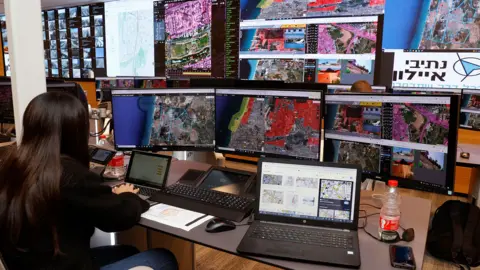
Over the past two weeks, corridors of airspace in Egypt and Georgia have become highly congested as flights are rerouted away from conflict zones. Each air traffic controller is responsible for different sections of airspace, coordinating intensively to manage the heightened volume of air traffic—often doubling the usual number of planes in the sky.
Controllers typically juggle six aircraft at once, but during wartime, this can rise to twelve or more. Continuous shifts ensure that controllers remain effective, as fatigue can lead to critical oversight. Experts note that human concentration wanes after 20-30 minutes of intense focus, prompting frequent rotations and shorter work intervals.
The tragic downing of Malaysia Airlines MH17 in 2014 exemplifies the risks involved; it underscores the importance of strategic awareness and decision-making in these perilous environments. This incident reminds both pilots and air traffic controllers to be vigilant in monitoring military movements and adjusting flight paths correspondingly.
As airlines and pilots prepare for the unexpected, including diverting flights to manage safety, measures are taken in advance to ensure sufficient fuel is available for emergency landings. Communication is vital in guiding aircraft away from danger zones and ensuring that all planes maintain safe distances, particularly as passenger jets can create turbulence for smaller aircraft nearby.
These challenges extend to cabin crews, like those led by an unnamed flight attendant, who emphasize the significance of their role in maintaining passenger comfort and security during flights. Despite feeling the pressure of increased duties, these teams work to create an atmosphere of calm amidst concern and uncertainty.
With ongoing conflicts affecting air travel paths, many crews adapt to new routes that often require more stops, reflecting the changing dynamics of global aviation during such crises.