In brief
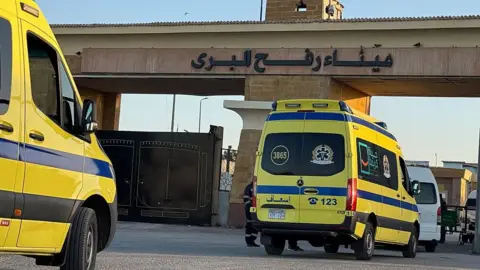
The Rafah border crossing between Gaza and Egypt has reopened, allowing limited movement for sick and wounded Palestinians. After being largely closed since May 2024, this development brings relief to those desperate for treatment, though only a small number of individuals can pass through daily. The reopening coincides with a phase of a ceasefire plan between Israel and Hamas and reflects ongoing humanitarian challenges in the area.
The Rafah border crossing has reopened for the movement of people, marking a significant step towards providing relief to sick and wounded Palestinians in Gaza. Despite the crossing being largely closed since its capture by Israeli forces in May 2024, the recent development, which occurred under a ceasefire framework, brings hope to many families.
The reopening was part of US President Donald Trump's ceasefire plan initiated in October; however, its implementation was contested until last week, coinciding with the return of the last Israeli hostage's remains.
While authorities have reported that approximately 20,000 individuals in Gaza require urgent medical attention, only a limited number of patients can cross daily due to strict regulations. Reports indicate that only 50 patients per day, along with their relatives, will be allowed to exit, yet frustration lingers as only five patients crossed on the initial reopening day.
Palestinian representatives attribute delays in the crossing process to Israeli security checks, although Israeli officials remarked that the crossing is open for movement.
Among the evacuees, Sabrine al-Da'ma expressed her anticipation of travelling abroad to facilitate a kidney transplant for her daughter, Rawa, while others hope to pursue educational opportunities, highlighting the considerable emotional and physical toll of the protracted blockade.
While the reopening is viewed as a lifeline for many, substantial hurdles remain, with aid workers and further aid provisions still subjected to stringent regulatory constraints as both local and international advocates call for more comprehensive humanitarian access.
The crossing, facilitated by the European Union Border Assistance Mission along with Palestinian staff, is under stringent oversight from Israeli authorities, ensuring all security protocols are respected.