A 40‑year‑old Kenyan businessman, later confirmed as the country’s first Ebola case, became critically ill after weeks of fever, chills and a painful rash. He landed in Nairobi on 3 October, was tested and immediately admitted to an isolation unit, dying two days later.
The World Health Organization (WHO) traced his movements over the preceding month and a half, uncovering a journey that started in DR Congo, passed through Uganda and ended in Kenya. He spent time in Bas‑Uélé province in August and early September, where an Ebola outbreak was already reported, yet he received only standard antibiotics in local health facilities. A later flight took him to Kisangani, where he spent more than ten days seeking care; no laboratories tested him there.
On 1 October he travelled to Beni and then Kasindi in North Kivu, both hard‑hit by the epidemic, before crossing into Uganda the same day. Ugandan officials later noted that his temperature was within normal limits at the Kampala airport screening, a fact the patient’s doctor suggested might have been suppressed by medication.
At Jomo Kenyatta International Airport his relative escorted him to Nairobi Hospital, where he was finally found to carry the Bundibugyo strain of Ebola, the same virus responsible for the major outbreak in DR Congo. Authorities now believe that the infection could have been identified earlier if routine testing had been performed when he appeared ill in the region.
Ebola can be transmitted through direct contact with bodily fluids of an infected person who has symptoms, or through contaminated objects. Its incubation period ranges from two to 21 days, making it possible for a person to become ill weeks after exposure.
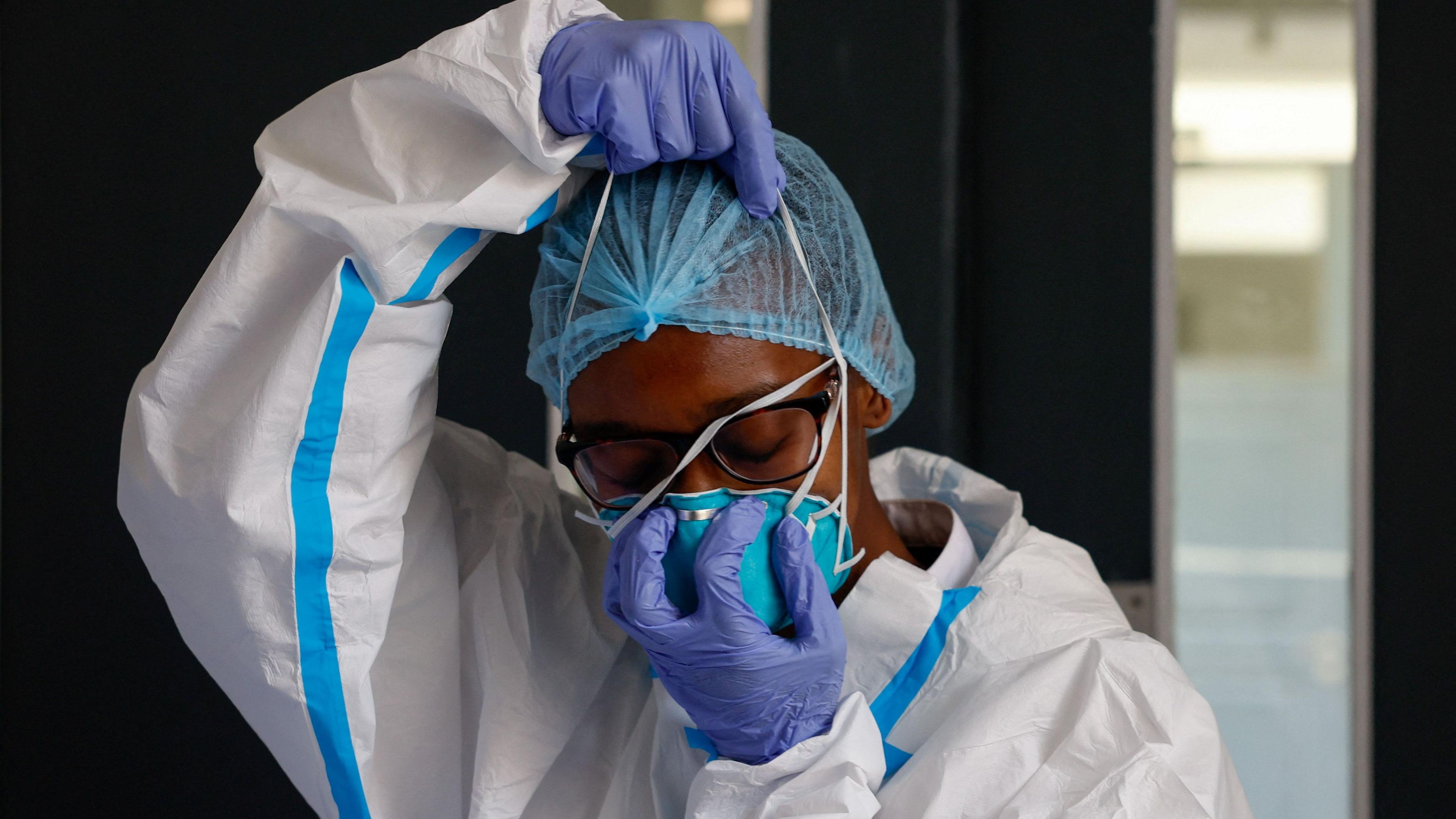
The incident has raised questions about the effectiveness of current screening protocols at airports, border crossings and hospitals. WHO emergency director Dr Wessam Mankoula has warned that self‑reporting and swift medical attention are essential to preventing cross‑border spread, while emphasising that stigma and misinformation can keep people from seeking help.