Kenya’s foreign‑trader crackdown ignites fear and outrage
For Ndaikech Ali, a Burundian who has driven the Nairobi streets for nine years, the country’s traffic was always the biggest challenge – until last week when President William Ruto warned that foreign traders must close shops by 7 September.
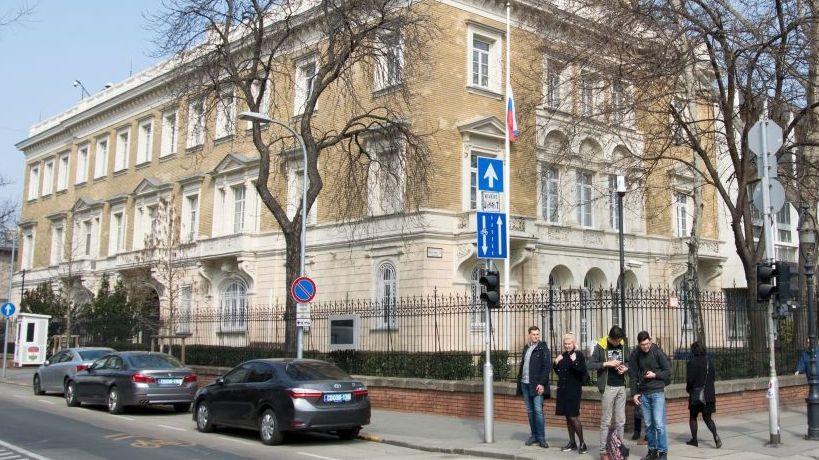
“Now they have turned against us,” Ali told the BBC at the Burundian embassy. “It’s like a dog set loose on us.” He claimed that the threat felt real, with even children shouting at street hawkers.
Ruto’s remarks came after a speech at State House in which he said that foreign nationals running low‑level businesses were to be stopped and that local sourcing would be enforced for certain goods. He told traders that they had until the specified date to gather their belongings.
The backlash has been swift. Burundian citizens, as well as Eritreans and Ethiopians, have queued at the Kenyan embassy to obtain laissez‑passe for return home. Some families have already been split, with spouses caught on opposite sides of the border.
Grace Wamaitha, a Kenyan living in Majengo, says her Burundian husband left the day after the decree, leaving her to care for five children and work extra hours washing clothes. “Now he’s gone, who will help me pay school fees?” she asks.
The order also affected corporate actors. The following day President Ruto ordered Tata Chemicals to leave the country, citing insufficient benefits for the Maasai community near Lake Magadi.
Academic Hesbon Owilla criticised the president’s statement as rhetoric that could be mis‑interpreted, especially by undocumented migrants. He said that the policy, while aimed at protecting Kenyan employment, needs a diplomatic approach.
Opposition voices have described Ruto’s directive as populist, encouraging xenophobia despite the government’s assurances that Kenya remains an open, secure country. Ruto’s spokesman emphasised that the country will safeguard both its citizens and lawful foreigners, and reaffirmed Kenya’s commitment to the East African Community.
The government offered a 90‑day window for undocumented traders to register. Those who register will be presumed legally resident. Yet many fear the change will harm trade, loss of livelihoods and community cohesion. Citizens and civil‑society groups argue that allowing competition benefits the economy more than “locking out aliens.”