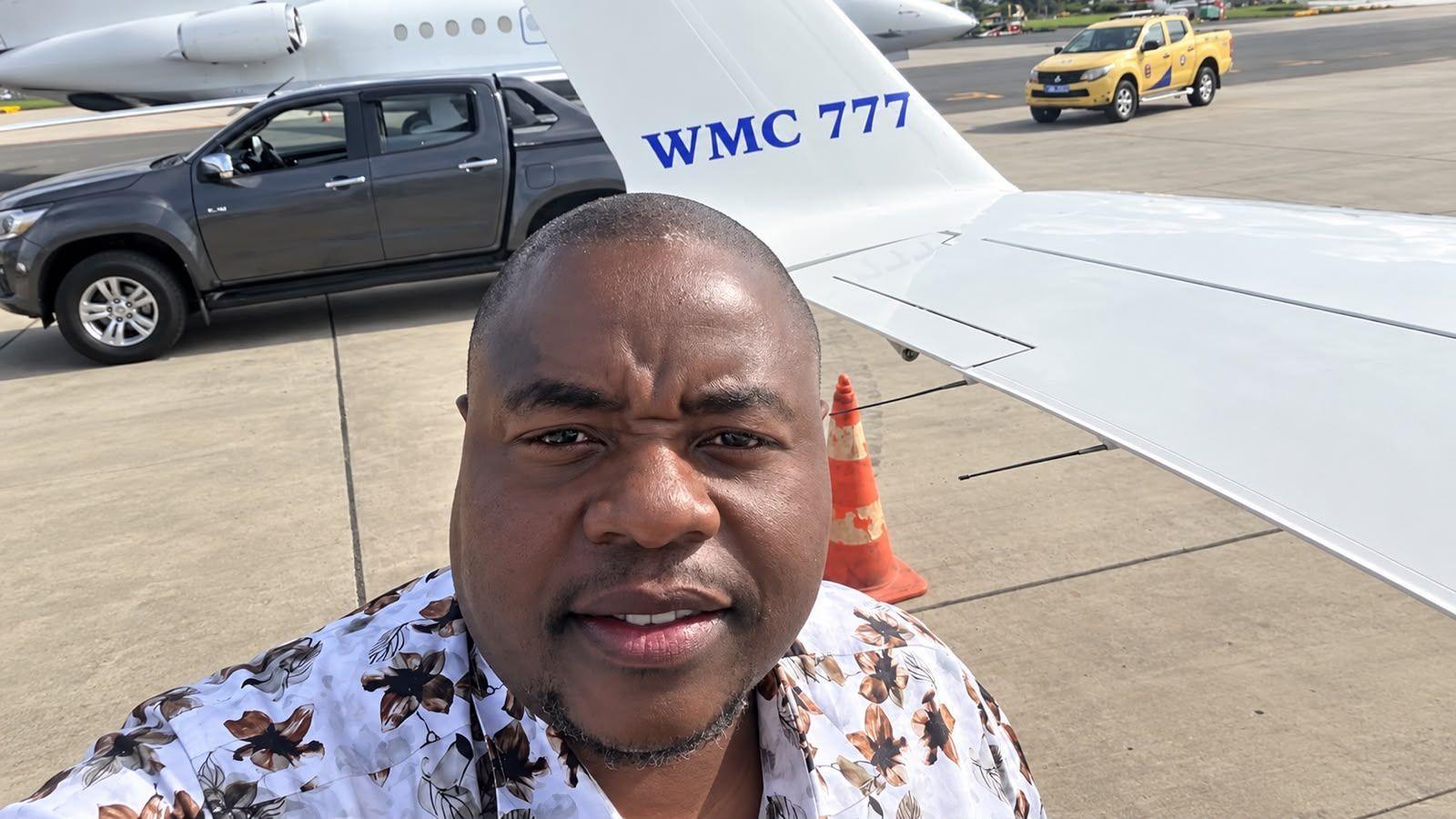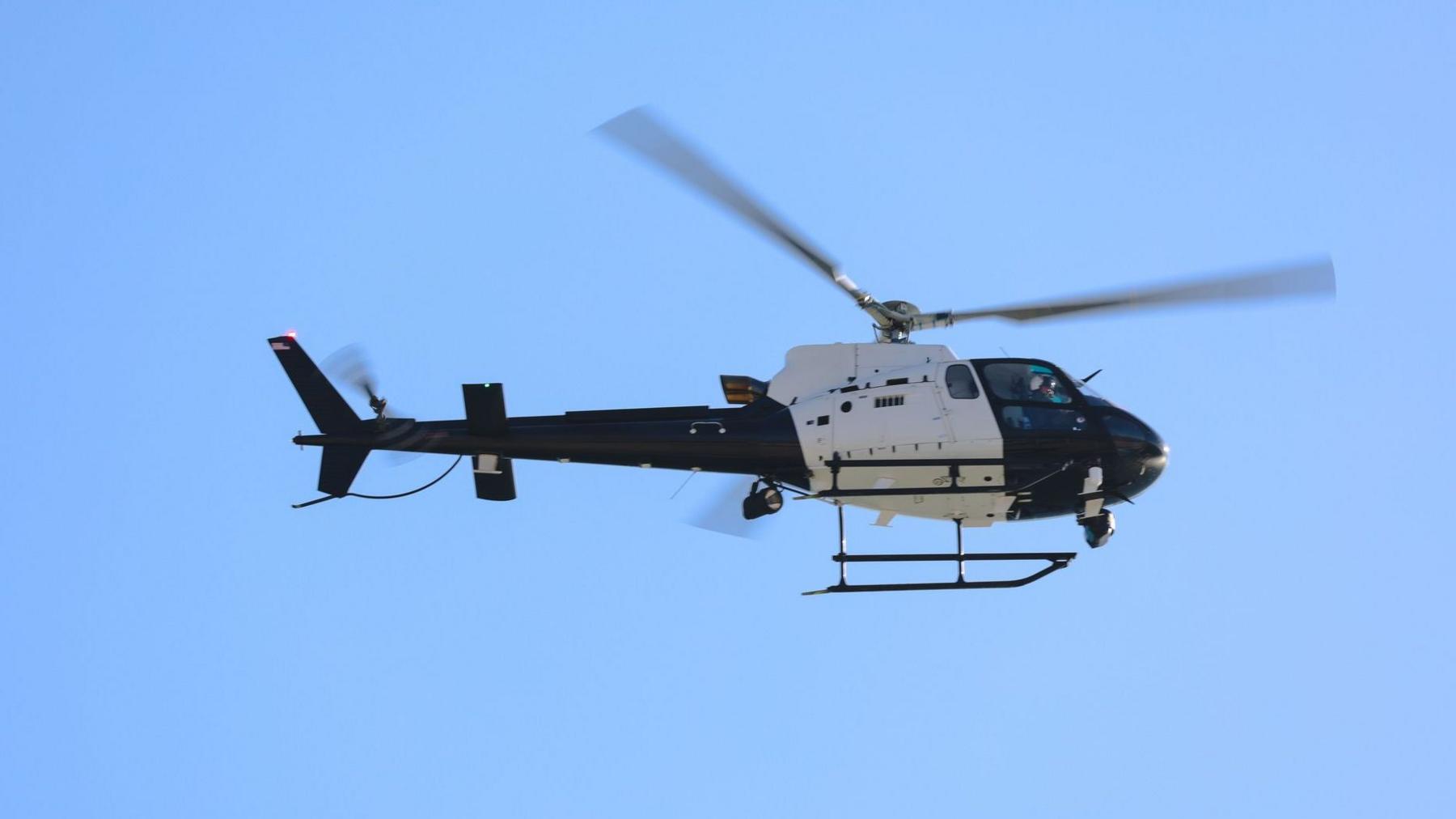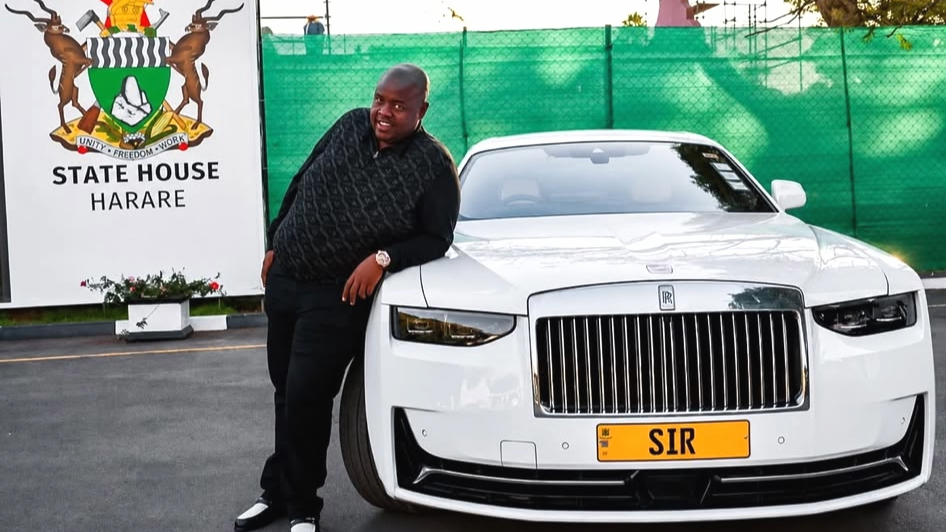
In a dramatic turn of events, Zimbabwean billionaire Wicknell Chivayo died in a helicopter crash with his wife Lucy Muteke last week, a death that has split the nation into those who mourned a generous philanthropist and those who condemned a flaunting ostentation.
Chivayo, self‑styled “Sir Wicknell,” built his persona around an arsenal of luxury cars – mainly Rolls‑Royce models with personalised plates – and an Instagram where cash piles and grand gestures were ordinary. The 45‑year‑old's public flaunting of wealth made him a fanatical figure for some, while critics branded him a symbol of a widening inequality divide.
His rise began after dropping out of high school at 15 and working as a wage clerk. In the 2000s he slipped into the black‑market foreign‑currency trade, served three years in Chikurubi prison for money laundering, and later founded Intratrek Zimbabwe, a state‑contract “tenderpreneur” that won a $170 million solar plant contract in Gwanda – a deal that never materialised and drew parliamentary scrutiny.
Chivayo’s name surfaced in court because of a 2023 procurement scandal where a South‑African supplier inflated prices for Mnangagwa’s 2023 election, a claim the anti‑corruption commission later rebuffed. His relationships with the president were in fact friendly: photographs show him lounging beside Mnangagwa at a church rally, and during the 2024 electing campaign he gave 10 kZMK to all 360 MPs. The offer was withdrawn after backlash.
Under the banner of philanthropy, Chivayo handed out millions to famous musicians, political leaders and churches. Jah Prayzah received three luxury cars and about $400 000 over three years, while Bishop Nehemiah Mutendi got four cars and millions in cash. He also donated ambulances to Zimbabwe’s crumbling public health system and bus fleets to schools.
However, not all welcomed his largesse. Thomas Mapfumo, a veteran musician and critic of the ruling party, declined a luxury car and $250 000, calling the money dirty, although he later accepted a million‑dollar fee for a wedding performance. Some politicians, such as Maungiro, rejected his gifts outright.
The day he died, Chivayo was on a trip to his rural home in Gandami, where he was building a $1 million mansion to be opened in November for his birthday. He had pledged half a million dollars to local schools and clinics, dreaming of a “Borrowdale Brooke” outside Harare.
The void left in the Zanu‑PF’s campaign machinery is palpable, yet the debate over his legacy tensions: Was he a generous donor or a corrupt opportunist? Zimbabweans who once celebrated his lavish handouts now argue over whether such displays merely celebrated privilege and eroded public trust.