
A mother’s grief: The first death of a wave in a remote village
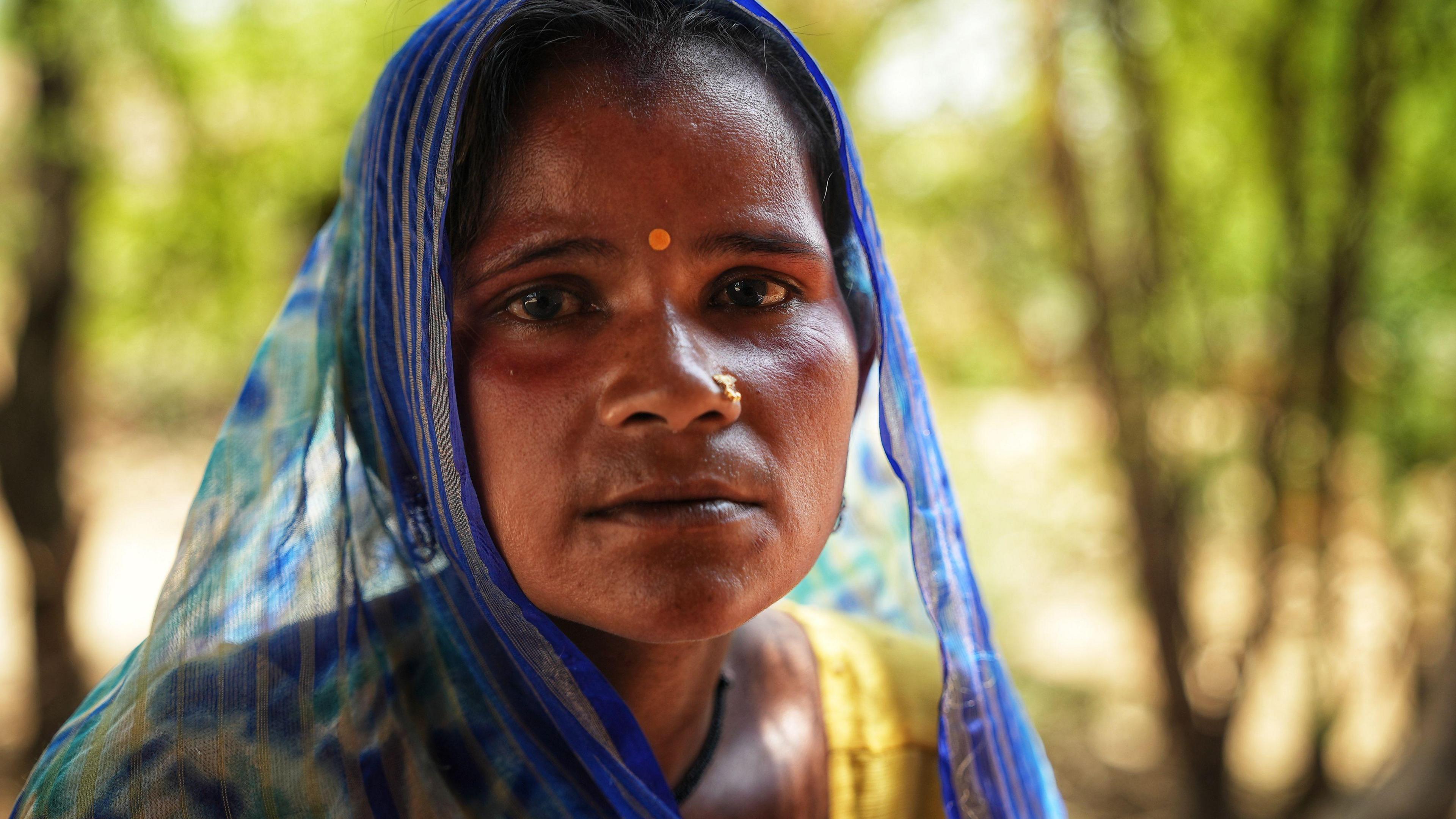
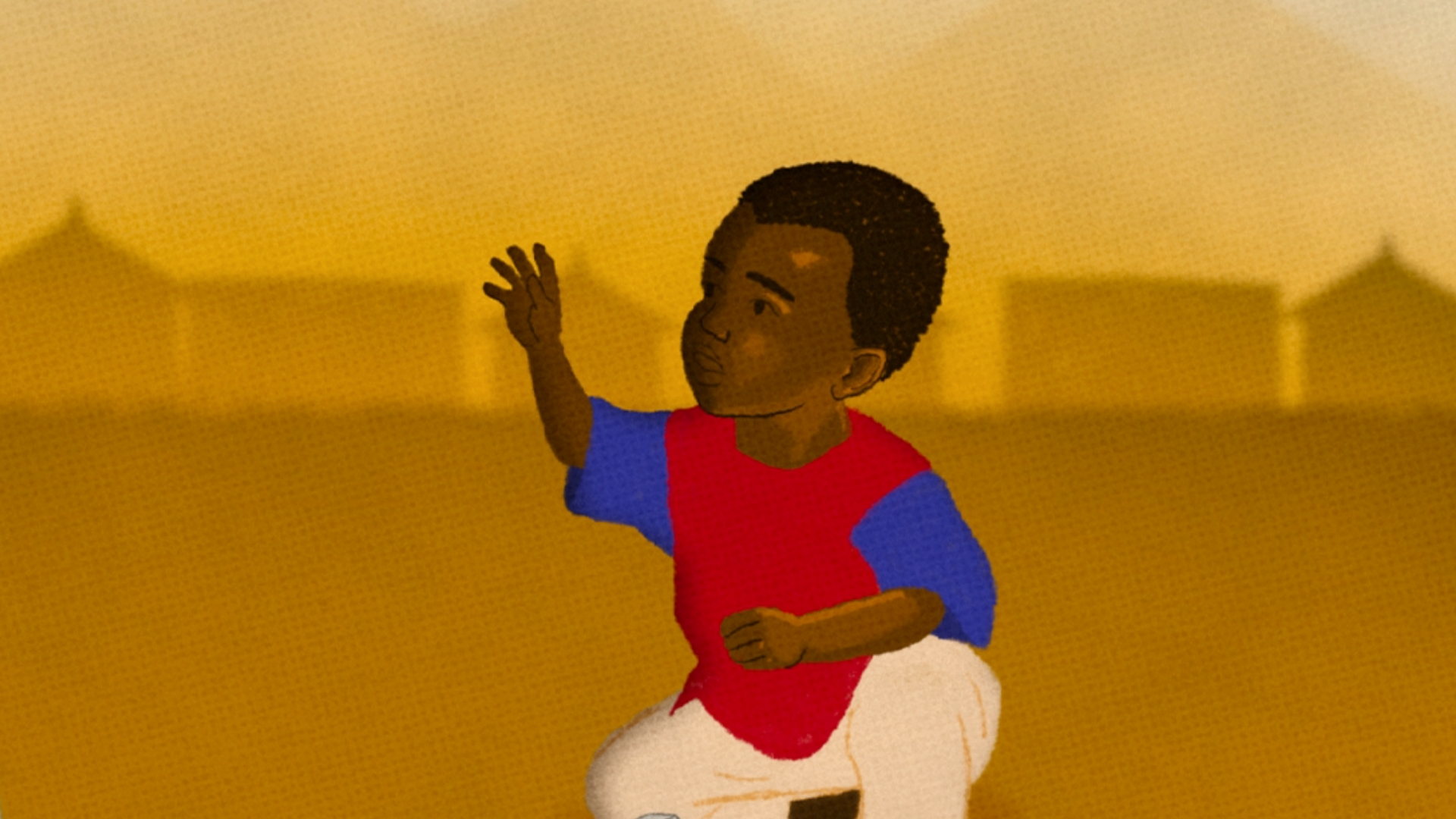
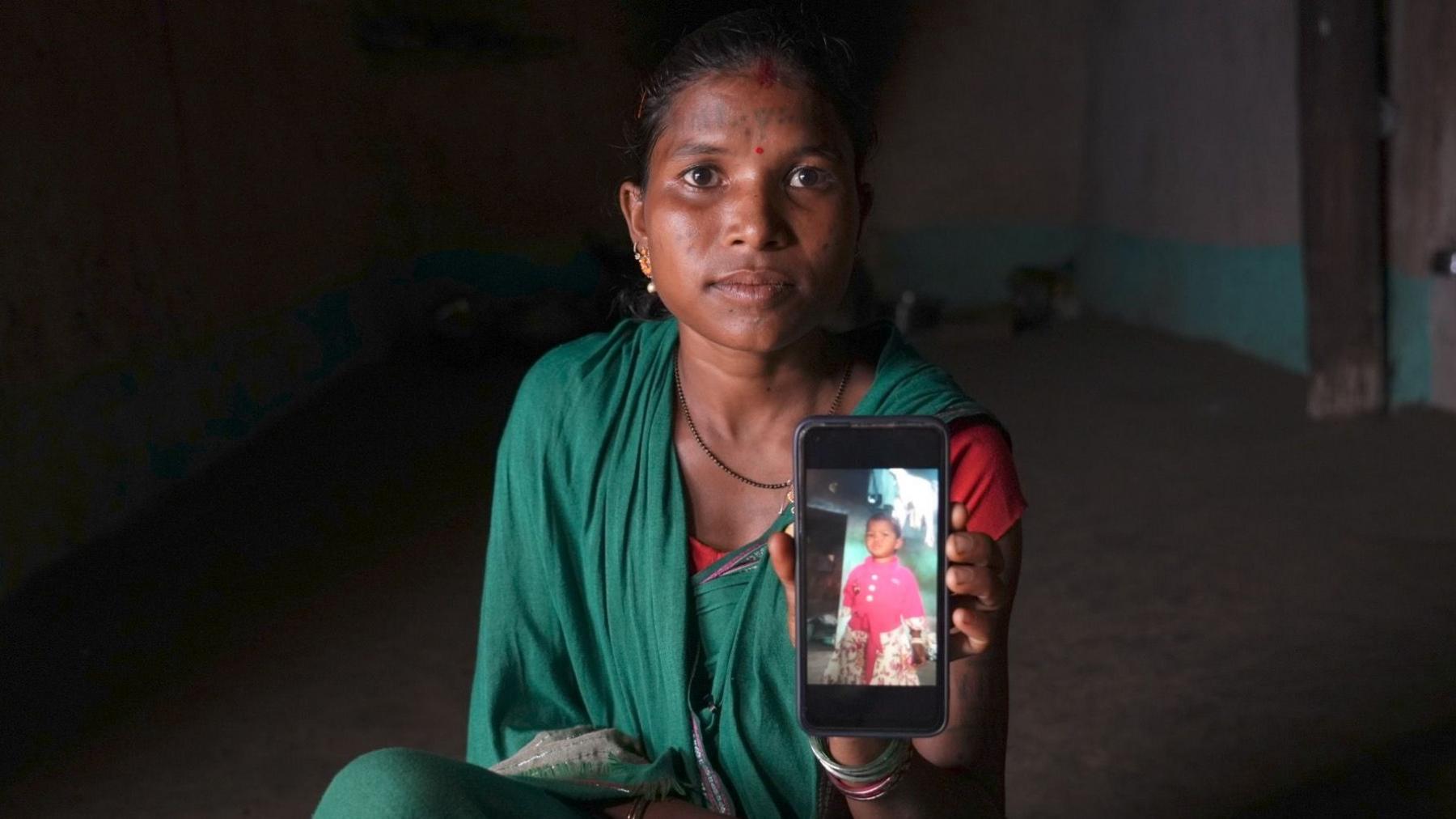
At dawn on a May morning, Bamita Markam, a 3‑year‑old from Matla village, convulsed and died after a battle with fever and red sores. Her mother, Koushila, tried a doctor’s ointment and later sought help from a faith healer, but nothing worked. “She cried a lot, she convulsed all night,” Koushila recalls, holding a smartphone photo of the girl.
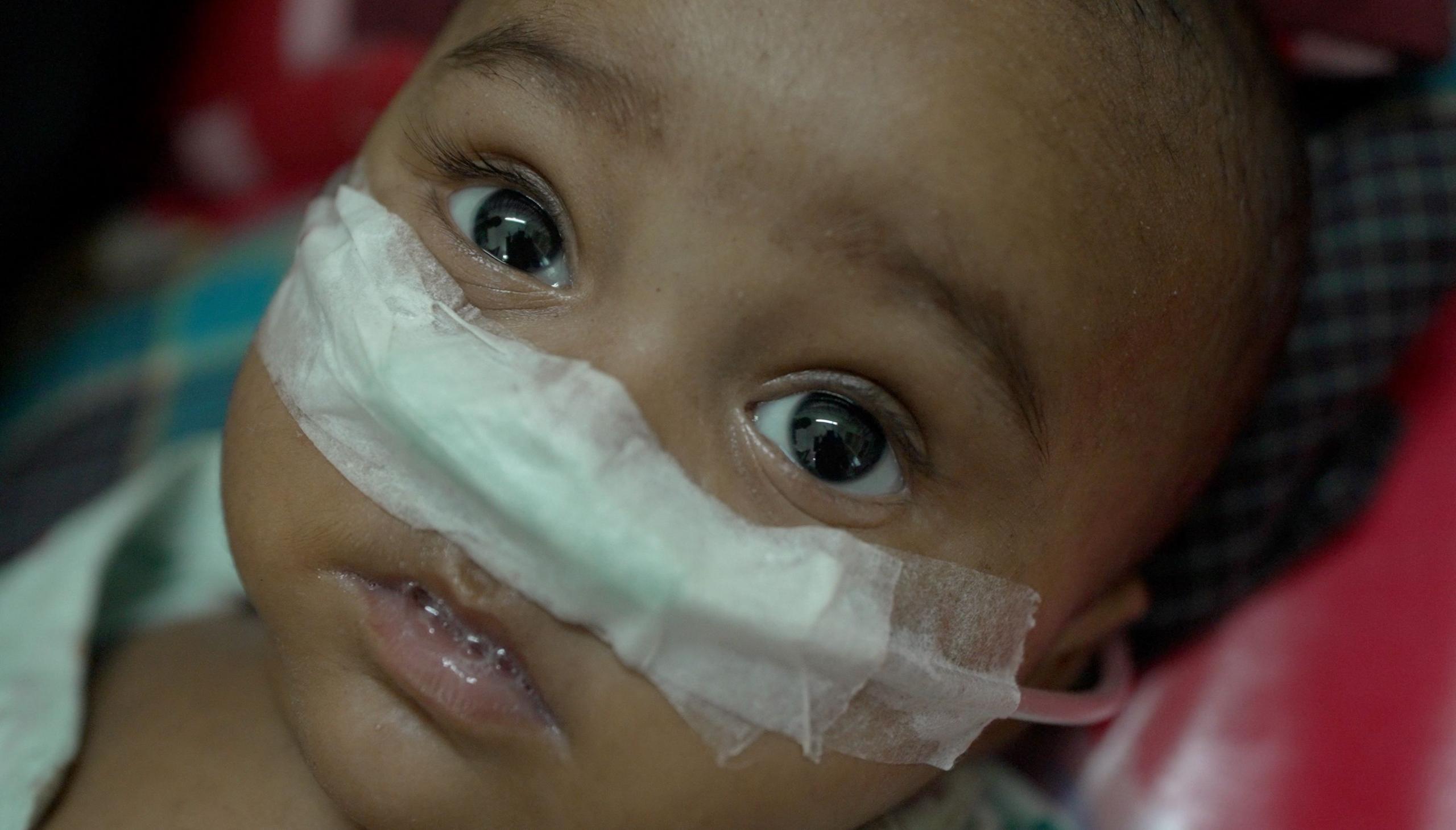
Bamita’s death was just the start of a crisis that roiled the Balaghat district’s remote Baiga villages. By September, at least 32 children – from infants to a teenage boy – had died of suspected measles, malaria or undiagnosed infections, many of whom had no records of vaccination and lived in mud huts with limited access to health care.
Researchers found that malnutrition was a key factor, weakening immunity and making diseases like measles far more deadly. A 7‑day “disease goddess” ritual, common among the Baiga, meant families often delayed or refused hospital treatment, fearing that early medical care could cause death.
Geography also played a deadly role. The villages lie in dense forests and steep hills; monsoon rains turn dirt tracks into mud pits, making hospitals 70 km away virtually unreachable without expensive transport. Many residents lack bicycles, motorbikes or even a single vehicle.
Official investigations by the National Institute for Tribal Health Research found 6 of 10 samples collected in August positive for measles. Malaria, endemic to the area, combined with multiple infections and poor nutrition, created a perfect storm of mortality.
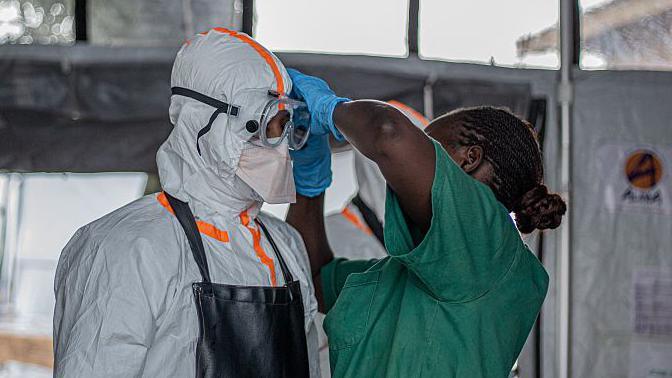
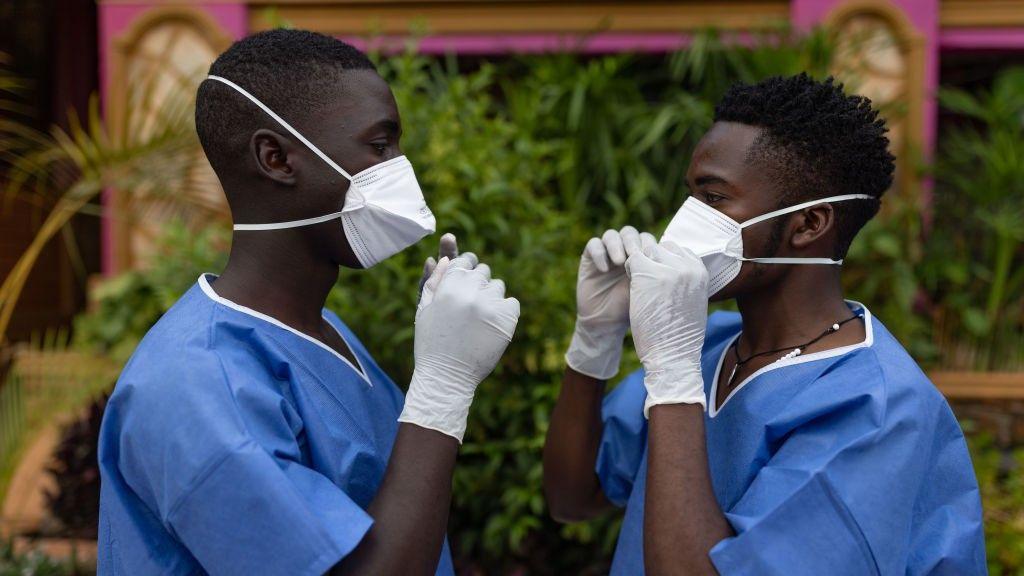
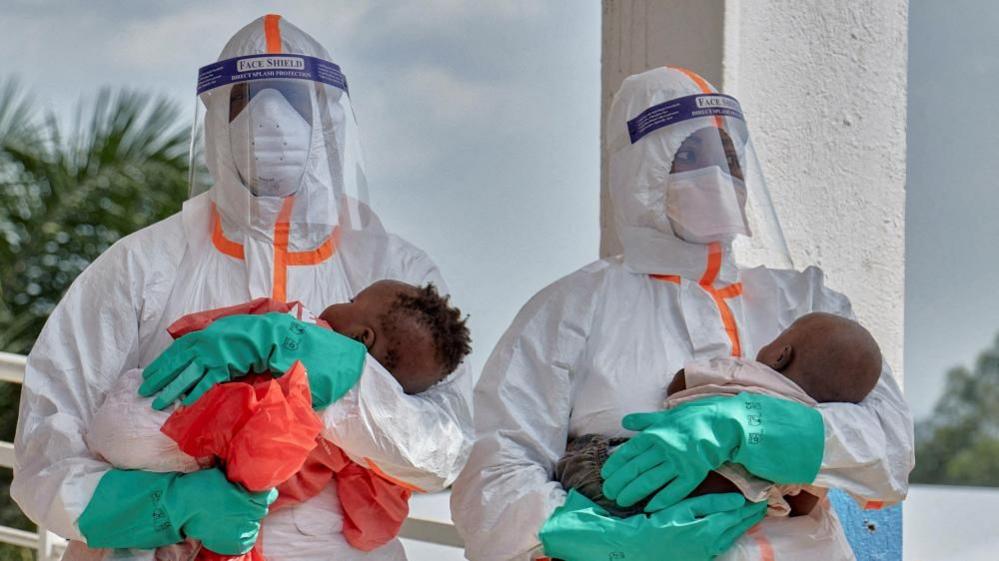
'We visited villages with oxygen, nebulisers, and malaria tests,' said a mobile doctor. Over 6 200 patients, mostly children, were treated at home and 630 were referred to district hospitals.
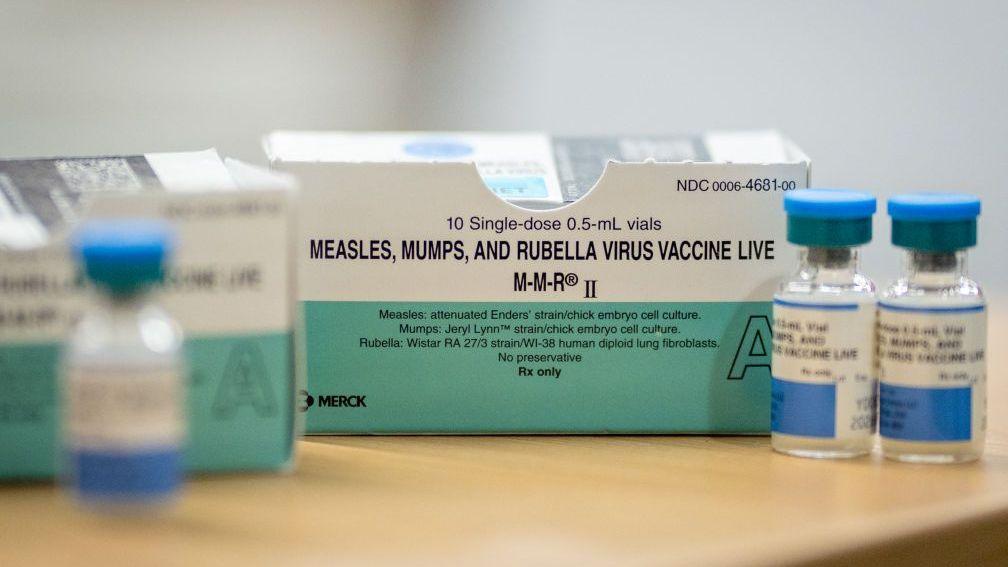
An emergency vaccination drive supplied measles‑rubella shots to about 27 000 children under 15 who lacked records, uncovering widespread gaps in public health coverage. A 2024 audit revealed serious irregularities in the distribution of take‑home rations meant for children, pregnant and lactating women.
While the outbreak has now subsided, the communities still face steep challenges. Malnutrition, early marriage, low birth weight and limited access to clean water and nutrition continue to threaten child survival.
Moving forward: What still needs to change?
- Improved nutrition programs with village‑level monitoring
- Culturally sensitive health education to counter disease‑goddess myths
- Better transportation links and emergency response for remote areas
- Strengthened state health budgets to ensure timely vaccine and treatment delivery
- Consistent follow‑up of vaccination records to keep immunity gaps closed
For Koushila, the memory of her daughter lives on in the pile of stones marking the grave, beside paddy fields that still grow and still whisper of a grief that will not be forgotten.