In Abu Dhabi, the United Arab Emirates, the United States announced that it will host a three‑party meeting on November 10 and 11 with delegations from Russia and Ukraine. The talks are aimed at finding a political settlement to the conflict that has raged between the two countries for more than five years and that has already taken tens of thousands of lives and displaced millions of civilians.
US Special Envoy Steve Witkoff said the discussion would focus on ending the war, establishing post‑war security guarantees, de‑escalation, and humanitarian measures. He posted the details on social media early on Monday.
"Post‑war security agreements, de‑escalation, humanitarian measures, and ending the war," Witkoff wrote.The envoy also said that the U.S. will represent the American side of the negotiation.
Russian President Vladimir Putin agreed to the new round of talks after meeting with Witkoff in St Petersburg two weeks earlier. The meeting was part of the United States’ broader effort to secure a lasting peace in a conflict that has become Europe’s bloodiest since World War Two.
The U.S. delegation, expected to include Witkoff and former senior adviser Jared Kushner, will work with the Russian and Ukrainian delegates at the Abu Dhabi International Airport every day to exchange ideas on how to end hostilities. Ukrainian officials have also confirmed that their delegation will attend, although the exact composition of the delegation has not yet been released.
Prior to the Abu Dhabi meeting, a brief working‑level visit is scheduled in Brussels between U.S. negotiators and representatives from France, Germany, Britain, the European Union and NATO. In that meeting the parties will discuss Ukraine’s security guarantees, Europe’s future security framework, and economic support for Ukraine’s reconstruction.
The U.S. has called this attempt “a continuation of the diplomatic push that began on February 2026” when the U.S. and Israel hosted the first set of peace talks on the conflict. The last round of talks before the Abu Dhabi meeting laid out a framework for negotiations, but it stalled when the parties could not reach agreement on key provisions such as the extent of Russian troop withdrawals.
Diplomatic observers note that while the three sides share a common goal of ending the war, they remain far apart on the specifics. The war has been described by the United States as a “crisis of the 21st century” and by Ukraine as an occupation that must end.
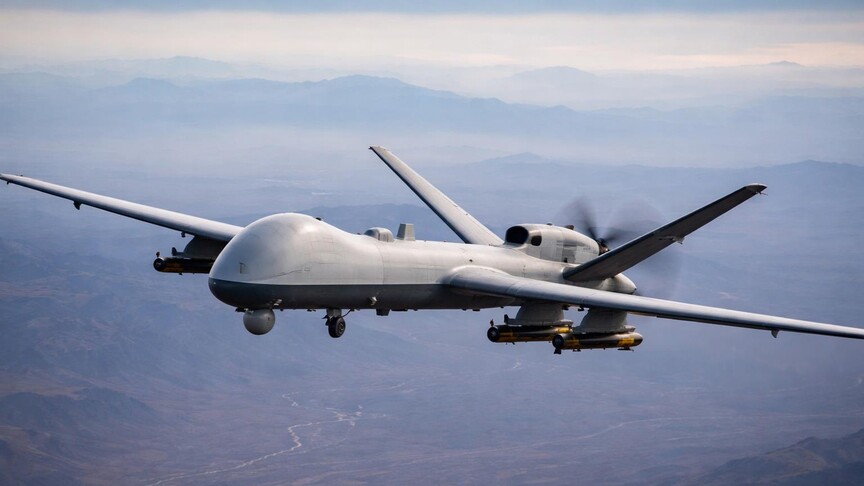
In addition to the diplomatic negotiations, the U.S. has recently approved a $2.1 billion sale of Patriot missile systems to Ukraine. The military aid package is part of a broader push to strengthen Ukraine’s ability to defend itself while negotiating with its aggressor.
The U.S., Russia, and Ukraine all have placed significant humanitarian concerns at the center of the discussion. For instance, Ukraine has requested a rapid mechanism for delivering relief supplies to areas that have been under siege for months. Russia, on its side, has expressed a need to address the refugee crisis that has forced millions of Ukrainians to flee the country.
The upcoming talks in Abu Dhabi have drawn international attention and pressure on all sides to act cooperatively. The United Nations (UN) has called for a “comprehensive cease‑fire” and reiterated its readiness to assist “in ensuring the feasibility of a durable settlement.”
Context and Implications
The U.S. takes a leading diplomatic role that echoes the World Bank’s pattern of mediating conflicts through inclusive multilateral engagements. Should the talks move beyond the initial frameworks to a formal cease‑fire agreement, it would have enormous implications for the security architecture of Eastern Europe and the broader geopolitical balance.
Current reports indicate that the U.S. will release a full briefing after the Abu Dhabi meetings, which could influence subsequent policy decisions by NATO and the European Union. The stakes remain high, as any misstep could lead to a resurgence of hostilities.
For now, the international community watches as leaders from the United States, Russia, and Ukraine prepare to sit down in Abu Dhabi to decide how to end a war that has already claimed thousands of lives and left a lingering shadow over a continent.