In brief
Iran has announced it will reopen the Strait of Hormuz within two days, potentially lifting a blockade that has disrupted shipping and raised oil prices. The decision follows Tehran’s commitment to resume nuclear negotiations with the United States, though it is conditional on U.S. demands. Meanwhile, other Middle Eastern developments include Israel’s election results and Qatar’s diplomatic outreach.
In Tehran, Iranian officials announced that the Strait of Hormuz would be opened within two days, a move that could lift a blockade that has halted shipping through one of the world’s busiest maritime corridors. Shipping companies, Gulf oil producers, and global markets that rely on the steady flow of petroleum through the strait are poised to feel the impact as the waters could once again welcome commercial vessels.
The announcement, reported by the Associated Press, came on Monday after Iranian diplomats confirmed that they would return to nuclear negotiations with the United States. The foreign ministry said the two‑day plan could end a blockade that has been in place for years, a decision that would likely ease tensions in the region and potentially lower oil prices worldwide. The spokesman for the ministry noted that the reopening could help restore maritime security and signal a new chapter in Iran‑U.S. relations.
In a separate statement, the Iranian Foreign Ministry said that the decision to open the strait is contingent on the United States meeting Tehran’s demands. According to Xinhua, Iran’s foreign ministry spokesman, Esmaeil Baghaei, said the country had cut the implementation period from a proposed seven‑day plan to two days in “good faith.” He added that the possibility of reopening the Strait of Hormuz and resuming negotiations depended on how Washington chose to proceed regarding the future of the process. His remarks came as U.S. officials were caught between diplomatic outreach and warning of potential military escalation.
Iran’s President Masoud Pezeshkian echoed the call for dialogue, stressing that his administration was committed to resolving challenges through conversation. He also emphasized that war would not benefit anyone, noting that the “enemies” would not be able to force Iran into surrender. Meanwhile, Foreign Minister Seyed Abbas Araghchi warned that any further military escalation by Washington would result in a “far more bitter and severe” response. The minister highlighted that consultations mediated by Qatar and Pakistan were “extremely intensive,” featuring frequent delegation visits, phone conversations, and message exchanges.
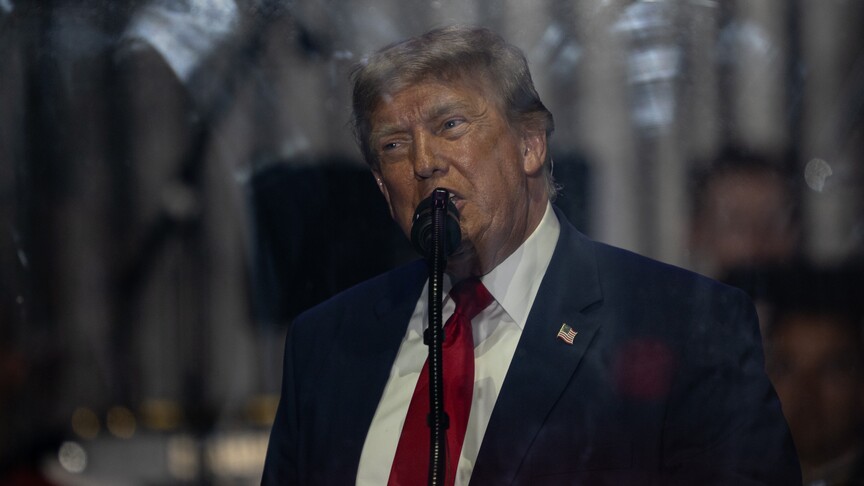
U.S. signals over the next move remain mixed, according to reports. The government received a letter from Vice President JD Vance, sent on Trump’s directive, calling for the resumption of peace negotiations. The letter was described by Tehran as a “good sign,” although President Donald Trump reiterated threats of military action against Iran during a campaign rally in Iowa, a stance that drew criticism for potentially stoking further conflict.
As Iran pushes for a swift opening of the Strait of Hormuz, Dubai and other Gulf states are watching closely. Qatar’s ambassador highlighted ongoing diplomatic outreach with Gulf neighbors, while U.S. diplomatic engagement increased in an attempt to mediate regional disputes. These developments come amidst a swirl of other Middle Eastern news, including the results of Israeli elections that saw Prime Minister Benjamin Netanyahu ahead. Israeli officials claimed that some Arab voters had been “stolen,” a claim that adds another layer of tension to regional politics.
Economists and maritime analysts speculate that a rapid reopening of the strait could restore shipping flows within days, reducing the backlog that has built up while the blockade was in place. However, the United States’ response to Tehran’s conditions remains uncertain, and any delay or rejection could prolong instability in the region. The ripple effects would be felt not only by shipping companies but also by nations that depend on steady oil supplies, which could see their energy markets adjust as vessels resume transit.
In the meantime, diplomatic channels remain active. Reports on 2 November indicated that Washington and Tehran were exchanging renewed warnings over potential military escalation, yet both sides also signaled a willingness to resume negotiations. The international community watches as the situation unfolds, hoping that the two‑day plan will bring a more stable, secure maritime corridor for commerce and reduce the possibility of conflict along the Gulf’s critical waterway. The eyes of the world remain fixed on Tehran, The Strait of Hormuz, and the decisions that may shape the region’s next chapter.