In brief
The council’s November agenda, overseen by Latvia, centers on the impact of AI and emerging technologies, including a high‑level debate on conflict resolution and the establishment of an expert group on technological threats. Additional agenda items cover routine peace‑keeping oversight, regional tensions, and the Turkish nomination for Secretary‑General.
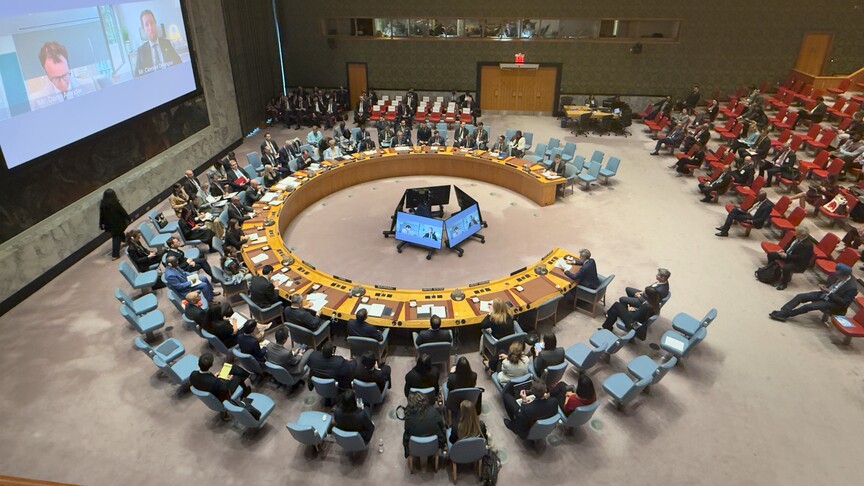
In New York’s United Nations headquarters, representatives from the 15 Security Council members gathered as Latvia assumed its rotating presidency for the first time. The shift attracted governments, humanitarian agencies, and tech firms eager to discuss how artificial intelligence could shape future conflicts.
Latvian Permanent Representative Sanita Pavluta‑Deslandes told reporters that the council will prioritize the peace‑and‑security implications of artificial intelligence and emerging technologies. She described AI as an established priority for the Security Council and said the council will "focus on issues that will remain on our agenda."
Pavluta‑Deslandes said:
"We believe that the issue of emerging technologies, including artificial intelligence, and their impact on peace and security, is a topic that will stay on the council's agenda."
The flagship event of the Latvian term, not yet held, is a high‑level ministerial debate on 24 November titled Conflict resolution in an era of rapid technological change. Ministers, diplomats and industry voices will examine how emerging tools affect civilian security and post‑conflict reconstruction.
Discussion will cover the protection of civilians, peacekeepers, humanitarian and media workers, as well as the use of AI for conflict prevention and diplomacy.
Pavluta‑Deslandes clarified that the council would not attempt to establish global AI regulatory frameworks or general governance systems. Instead, she said, broader rule‑making would remain the responsibility of the General Assembly, while the council would focus on guidance for its 15 members.
Members of the tech industry and artificial‑intelligence companies are slated to brief council decision‑makers during the month. A newly established Informal Expert Group on emerging threats and technological change—created jointly by Latvia and Greece and composed of ten council members—will hold an inaugural session to outline priorities.
Aside from AI, the council will maintain regular tasks—reviewing peace‑keeping mandates, electing international court judges—and confront Russia‑Ukraine tensions, Middle Eastern hotspots, and the Turkish nomination for Secretary‑General.
Latvia’s presidency coincides with the country’s November celebrations commemorating the 1918 declaration of independence. The rotating term therefore carries symbolic weight for a nation that has recently re‑asserted its sovereignty on the global stage.
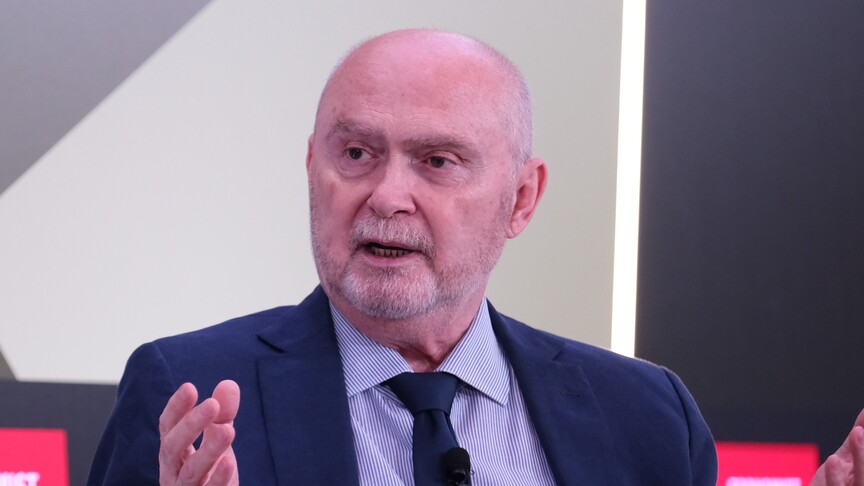
The Latvian envoy confirmed the Turkish government’s formal submission of Ambassador Feridun Sinirlioglu’s candidacy. The council has circulated the official letter and will conduct straw‑polls later in the month.
With AI framed as a core security concern, the council’s November agenda marks a decisive moment for the international community. As ministers convene in New York, the eye of the global stage will be on whether technology can be a force for peace or a new frontier of conflict.