In brief
Russian aircraft struck Komyshuvakha, killing 18 and leaving 27 missing according to Ukrainian officials. Independent outlets report 26 casualties. The explosion hit a school providing humanitarian aid and an aid distribution center, prompting a continuing search and rescue operation in the area.
A Russian aerial strike on the settlement of Komyshuvakha in the southern Zaporizhzhia region sent shock waves through the community, destroying a school that was hosting humanitarian aid and an adjacent shelter. The attack struck as the region was attempting to rally support for local civilians amid a long‑standing war.
Ukrainian authorities, citing confirmation from the Zaporizhzhia City Council, reported that 18 people were killed and 27 others were missing. The group insisted that five more were wounded but the numbers stayed unclear until later sources emerged.
According to the authorities, a total of 10 aerial bombs fell on the school where residents were receiving aid. The strikes reduced the building to rubble, prompting emergency responders to begin fire suppression and stabilization work immediately after the blast.
Search and rescue crews kept working the site past midnight the same day, coordinating with local and national agencies. Residents of Komyshuvakha reported that emergency personnel were still combing through the wreckage for survivors and injured individuals, while families waited anxiously for updates.
Independent coverage from a Ukrainian news outlet, Pravda, presented an alternative fatality report, stating that 26 people had been killed, five were injured, and 27 remained missing. The article also identified the victims as police officers and first responders, underscoring the scale of the tragedy.
Another local report confirmed the loss of police officers and rescue workers, and matched the count of 27 missing. It also noted that five people were wounded in the blast. The documents highlighted the direct effect on local emergency services, as responders were drawn to the scene to help those affected.
Zaporizhzhia is one of the central regions of the war, holding strategic value for both sides. In recent weeks, the area has been the focus of several air strikes and artillery shelling, making the sudden attack a stark reminder of the ongoing hostilities and their impact on ordinary residents.
The school that was struck had been opened several months earlier to help provide food, shelter and medical supplies for families fleeing front‑line fighting. The loss of this humanitarian hub has created a new crisis for the remaining displaced and could disrupt aid operations in the region.
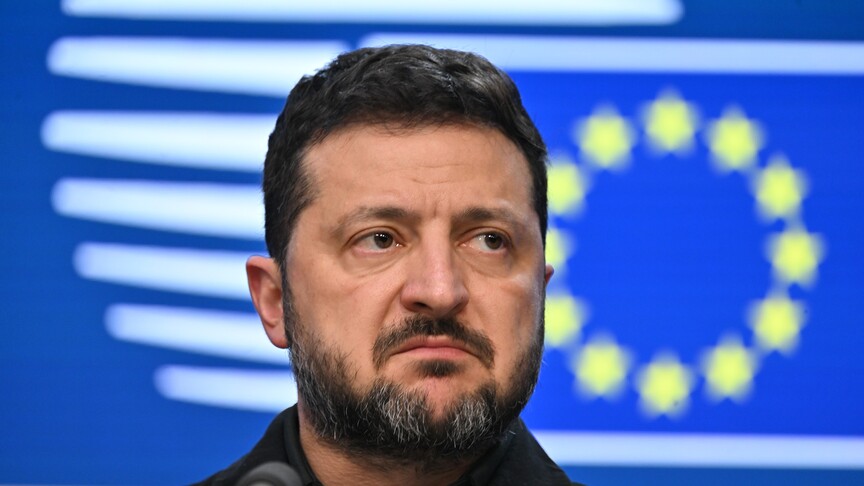
In the aftermath of the explosion, President Volodymyr Zelensky posted a comment on X, noting that ten bombs had hit the school. He urged the public to remain calm, promising that the government would keep them informed as more information came in.
Regina Harchenko, the secretary of the Zaporizhzhia City Council, also reached out via social media to inform the public that 27 people were listed as missing. She also stated that rescue operations were still underway, and that the local authorities would coordinate with national search teams to locate survivors.
Meanwhile, local groups are working to document the attack, gather statements from residents, and track the status of missing persons. They have also expressed concern that the official counts might still be incomplete, acknowledging the difficulty of confirming casualties amid the chaos and damage.
As the war continues, the people of Komyshuvakha face new challenges as they cope with loss, displacement and the ongoing threat of aerial attack. The national government and local officials have pledged to investigate the incident and to support those affected. Institutional commitment and ongoing relief efforts will be key to addressing the immediate and longer‑term needs of the settlement's survivors.