
A New Vision for AI
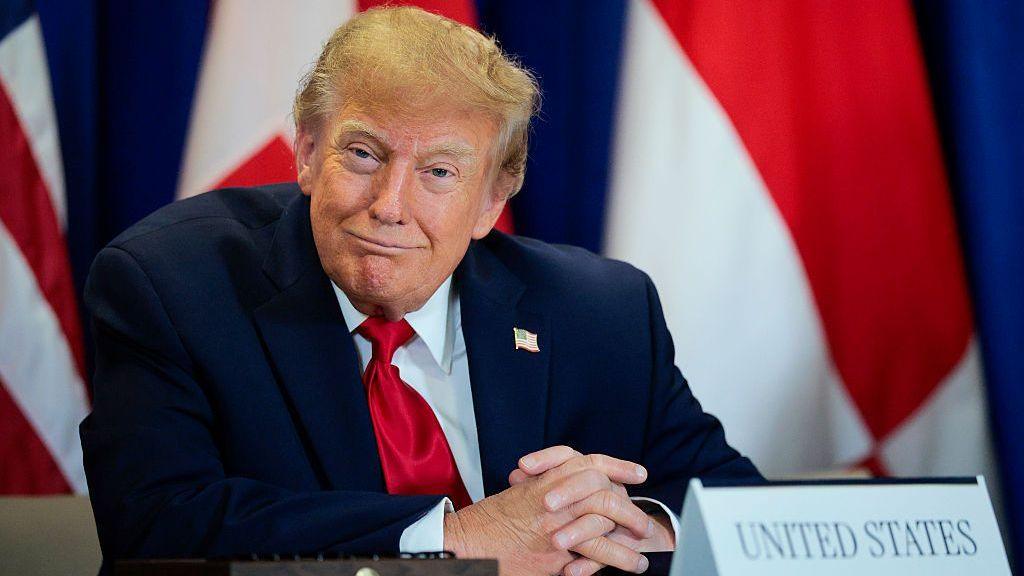
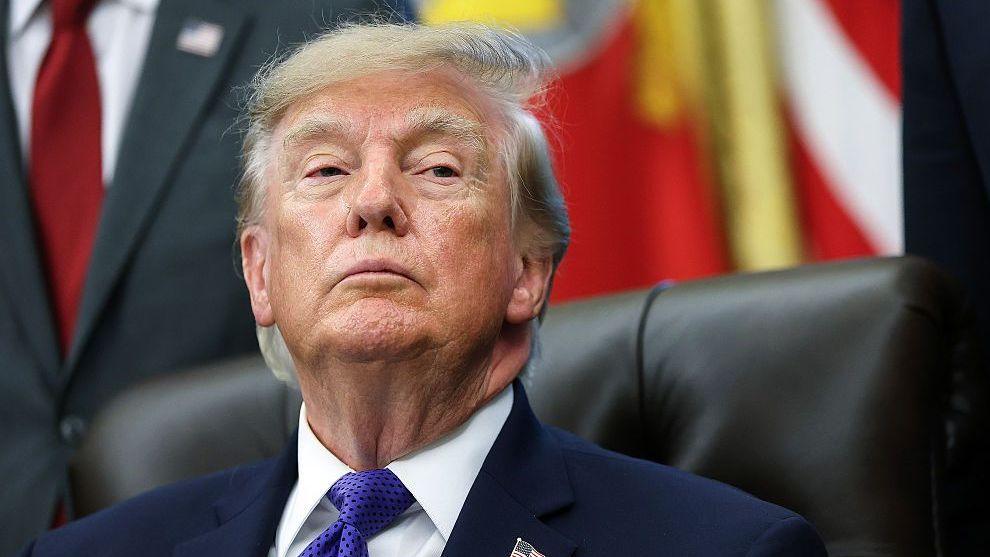
On Sunday, President Donald Trump announced the launch of a new federal taskforce he calls the “Super Intelligence Force.” The group will be led by the Director of National Intelligence Jay Clayton, who was confirmed in August after initial opposition to his predecessor’s nomination. Its primary goal is to ensure the United States maintains a leadership position in the development of what the administration now refers to as “Super Intelligence.”
Rebranding and Regulation
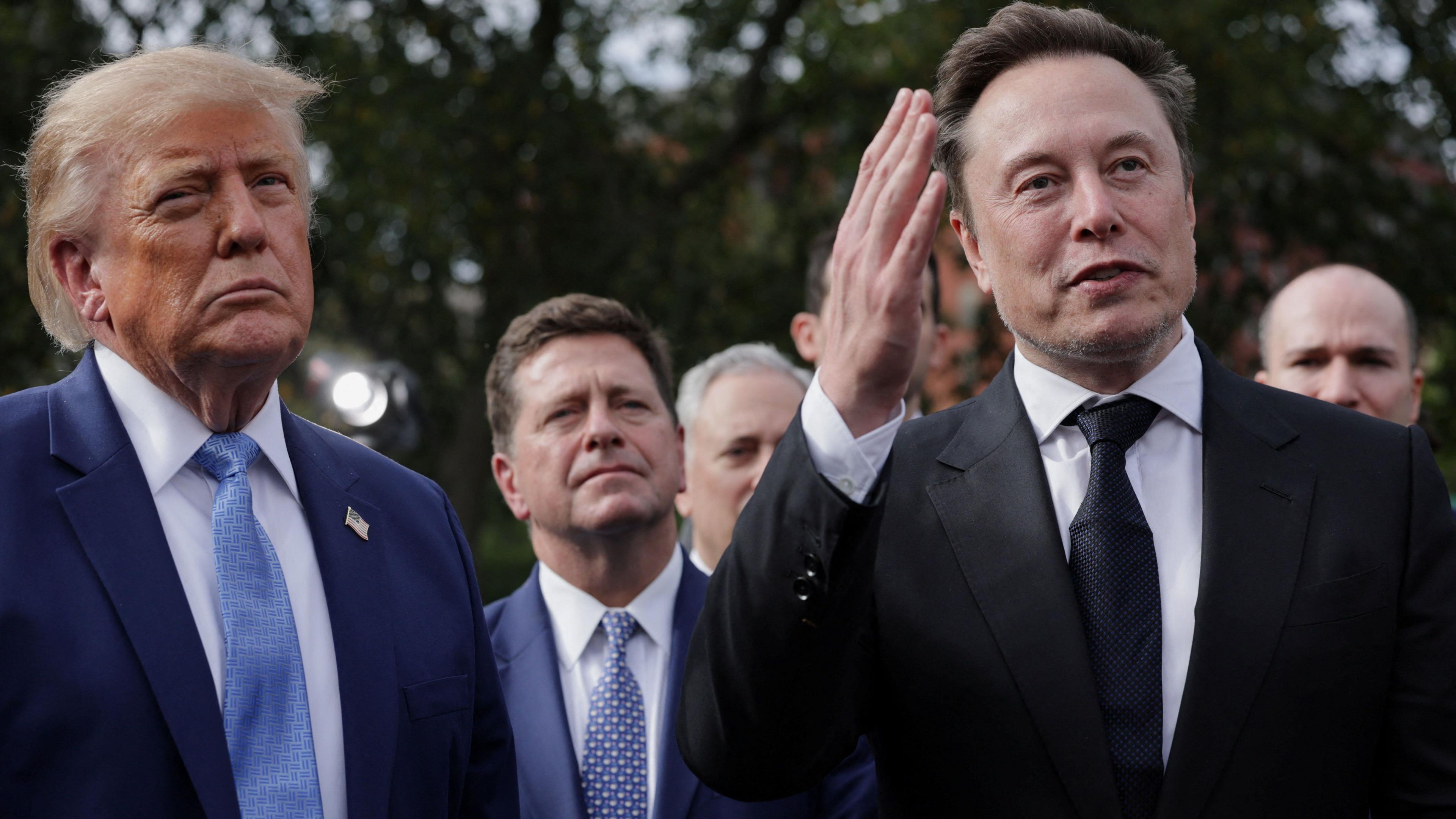
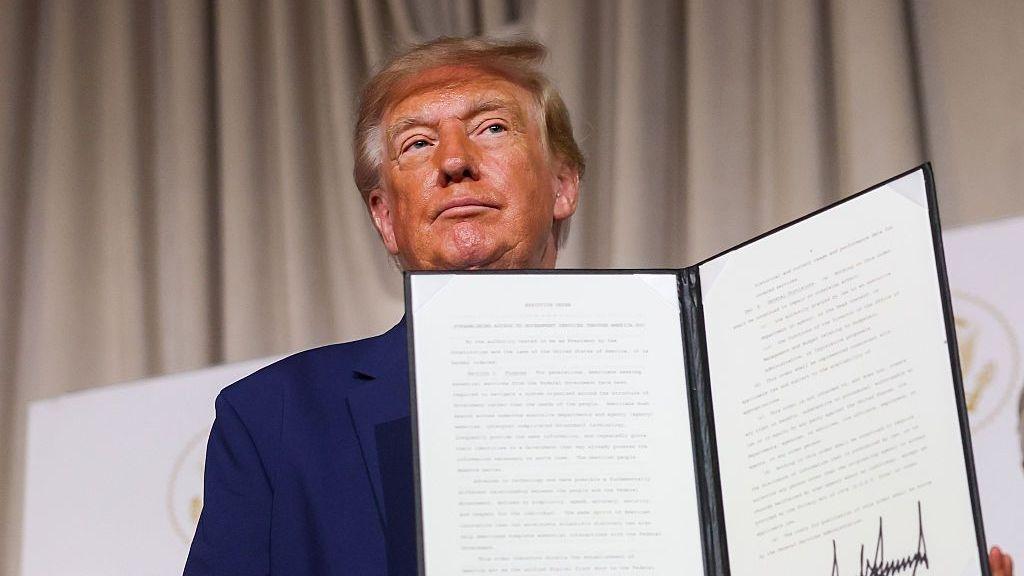
Earlier this month, Trump signed an executive order that officially renames artificial intelligence as “Super Intelligence” for all federal documents and public-facing communications. The order also directs agencies to use the new terminology, effectively phasing out the term AI from government use. The president’s rebranding comes on the heels of a “morally binding” pact signed by top tech executives—including leaders from OpenAI, Anthropic, SpaceX, and Google—who agreed to self‑regulate the technology’s development.
Taskforce Composition
The Super Intelligence Force will coordinate the federal government’s engagement with a broad spectrum of stakeholders: consumers, public interest groups, religious organizations, critical‑infrastructure providers, and AI companies. Members will include Federal Trade Commission Chair Andrew Ferguson, Undersecretary of Defense for Research and Engineering Emil Michael, and Director of the Office of Personnel Management Scott Kupor. All reporting directly to President Trump and White House Chief of Staff Susie Wiles.
Stakeholder Reactions
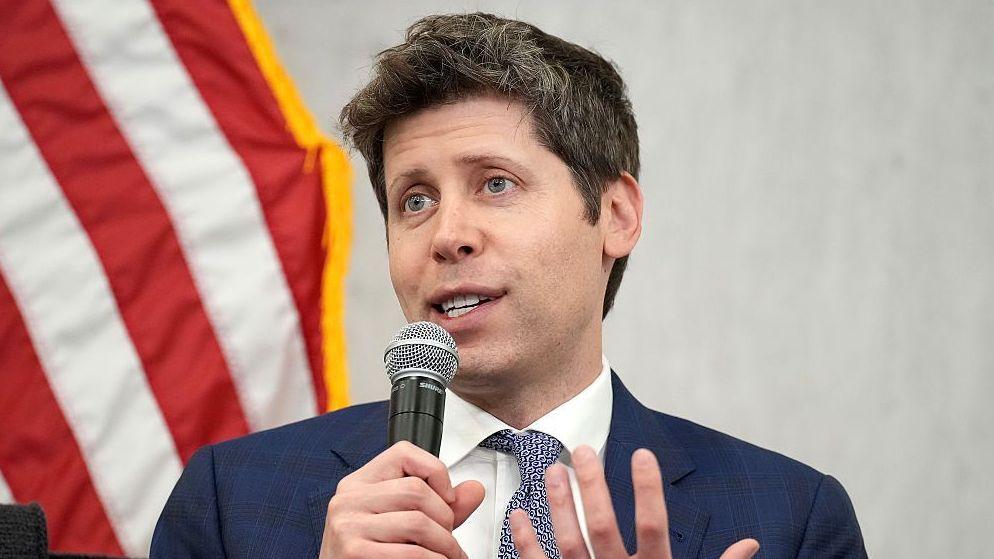
While the taskforce positions itself as a collaborative platform, industry voices have expressed mixed feelings. OpenAI’s CEO Sam Altman recently emphasized that AI benefits outweigh its risks and called for broader public access. Conversely, a former OpenAI safety officer warned in the Atlantic that “the culture is broken” and the company’s rapid product cycle hampers adequate risk assessment.
Implications for the Future
With the Super Intelligence Force in place, the Washington administration aims to shape the trajectory of AI development in a way that safeguards national security while fostering innovation. Whether the effort will succeed in balancing regulatory oversight with corporate autonomy remains to be seen.