Miami’s Rich Diaspora Plot Cuba’s ‘Day After’
In a glittering private residence overlooking Biscayne Bay, the city’s wealthiest Cuban‑American families convened for the fourth meeting of the Cuban‑American National Chamber of Commerce (CANCC). Their agenda: to map an economic re‑launch for Cuba assuming a regime shift.
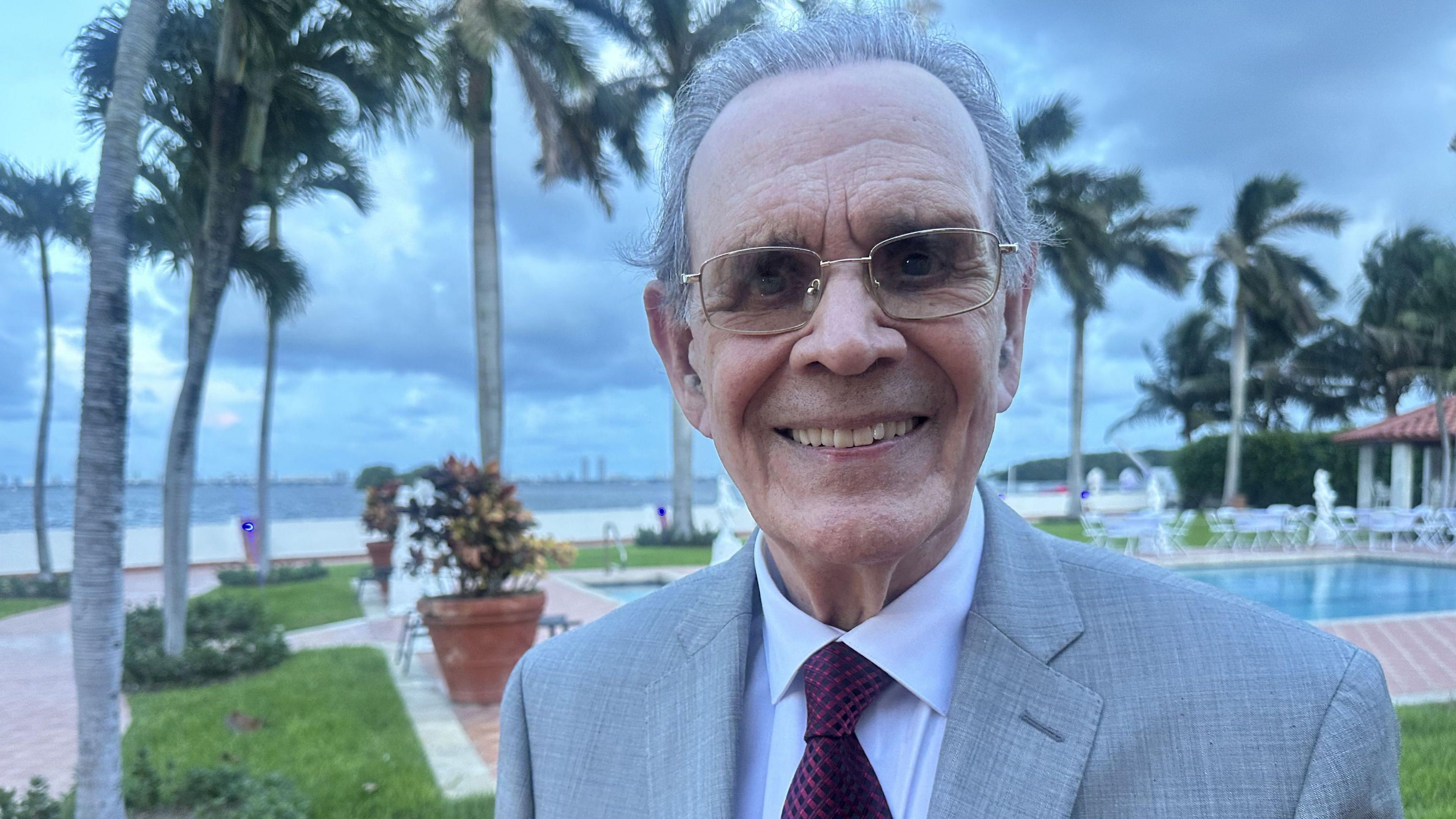
Presiding leader Juan Omar Sixto, a real‑estate developer in his eighties, declared that the purpose of the gathering was “to be in Cuba once the regime falls.” The CANCC has drafted a proposal for a Cuban stock exchange and committees on energy, food security, and more.
Critics argue the plans are premature. Even as U.S. sanctions grow, the Cuban government has announced 176 new liberalisation measures that critics call cosmetic, and the island’s energy grid is often blacked out. Analysts fear that a sudden “day after” will bring humanitarian disruption far beyond the diaspora’s ready‑made business strategy.
The Cuban‑American community justifies the plans by recalling land seized during the 1959 revolution and the need for investment to end shortages. Sixto and his colleagues insist they are ready to bring in capital, technology and jobs once the political situation allows.
Despite their confidence, the reality awaits: Cuba’s blackouts, food and medicine shortages, and a corrupt bureaucracy resist rapid turning. The diaspora’s dreams, however, remain sharply lit against the backdrop of a still‑unsettled island economy.