Brazil Accuses U.S. of Election Interference Ahead of 2026 Presidential Race
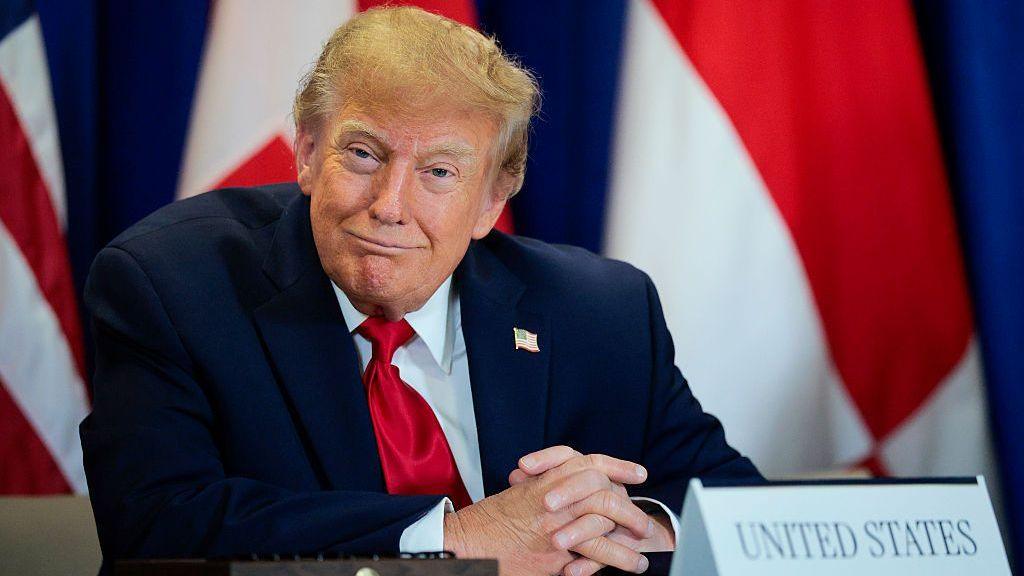
In the weeks leading up to Brazil’s 2026 presidential election, President Luiz Inácio Lula da Silva has publicly accused the United States of attempting to sway the outcome of Brazil’s vote by backing right‑wing candidate Flavio Bolsonaro, the son of former president Jair Bolsonaro and a close ally of former U.S. President Donald Trump.
Lula’s claim follows a history of U.S. engagement in Brazilian politics that has often favored conservative politicians, especially those aligned with Trump’s policies. The U.S. embassy in Brasilia has previously supported Bolsonaro’s political allies, intensifying anxieties about foreign influence during a crucial electoral cycle.
Key concerns in the dispute include trade tariffs, organised crime links, and the integrity of Brazil’s democratic institutions. Lula has warned that foreign meddling threatens Brazil's sovereignty and undermines public trust in the electoral system.
BBC journalist Ione Wells provides context, noting that Brazil’s election process is under intense scrutiny both domestically and abroad. The allegations demonstrate a widening gap between Brazil’s left‑wing administration and the U.S. administration’s stance on post‑COVID-19 geopolitics.
The clash also casts a spotlight on the role of external powers in shaping global political landscapes. As Brazilians prepare to vote, the spotlight remains on whether foreign involvement can alter the course of local democratic decisions.