For many Okinawa locals, the arrest of a US soldier accused of robbing and killing a woman in a hotel room has reignited decades of frustration over crimes involving US military personnel there.
'Honestly my first reaction was, 'Not again,'' 52‑year‑old longtime Okinawa resident Ai Sato told the BBC.
She added, 'Nothing has changed since I was a child. How many times are we going to repeat the same thing, create more victims, cause their families to suffer, and ultimately, cause the people of Okinawa to grieve?'
Akemi Oshiro, a 62‑year‑old Ginowan resident, shared similar sentiments. 'I know we shouldn’t get used to terrible things like this, but because they keep happening, I’ve stopped being surprised,' she told the BBC.
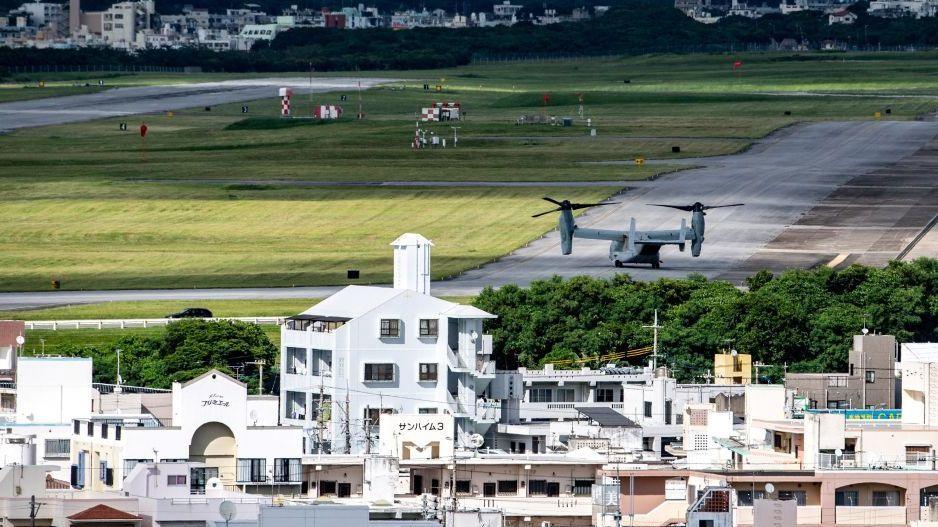
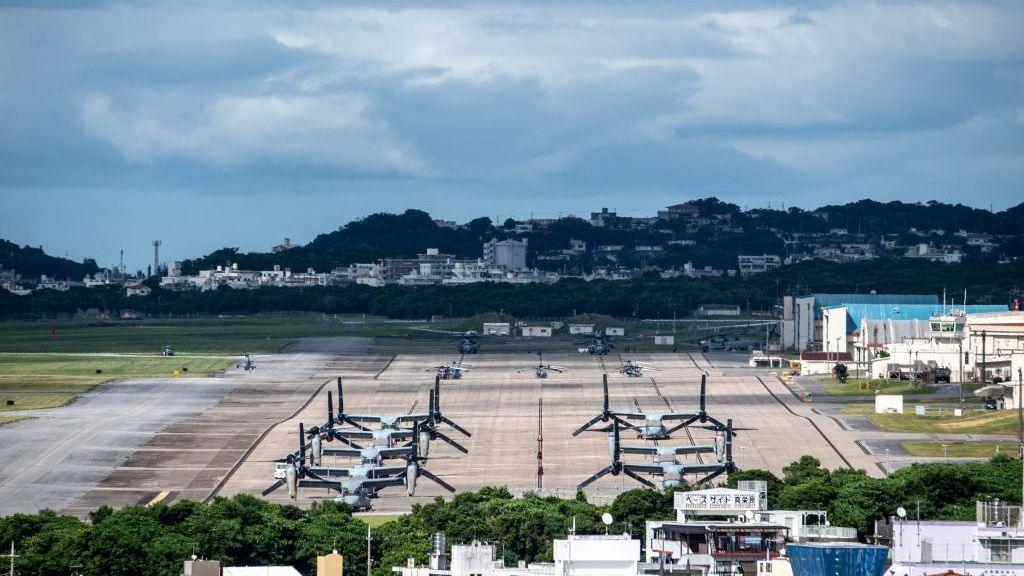
Okinawa hosts the largest US military presence in Japan, with several bases and tens of thousands of American troops.
US Marine Lance Corporal Devin Jacob Ballard, 20, was arrested by Japanese police on Sunday. He is in Japanese custody because the alleged crime was unrelated to official military duties.
The jurisdiction over crimes committed by US service members can vary: if Japan has jurisdiction but the suspect is under US custody, Japan can retain custody until charges are brought.
Ballard is assigned to III Marine Expeditionary Force and stationed at Marine Corps Air Station Futenma in Ginowan City.
The Okinawa Prefectural Police say 39‑year‑old Anna Yagi was found dead early on 3 October in a hotel room in Naha.
Security footage allegedly shows a man believed to be the suspect entering the hotel with the woman and leaving alone with her belongings. Local media citing police report that Yagi appeared to have been strangled with a cord.
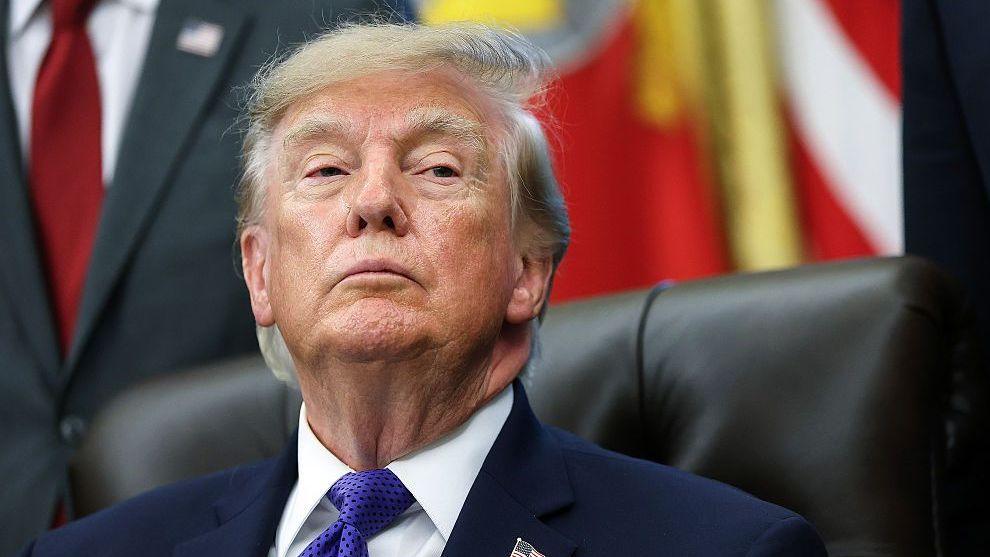
Japanese Prime Minister Sanae Takaichi registered an official protest with Washington. However, residents like Sato feel that is far from enough. 'I want Prime Minister Takaichi to call President Trump directly … and discuss concrete measures to prevent this from happening again,' she said.
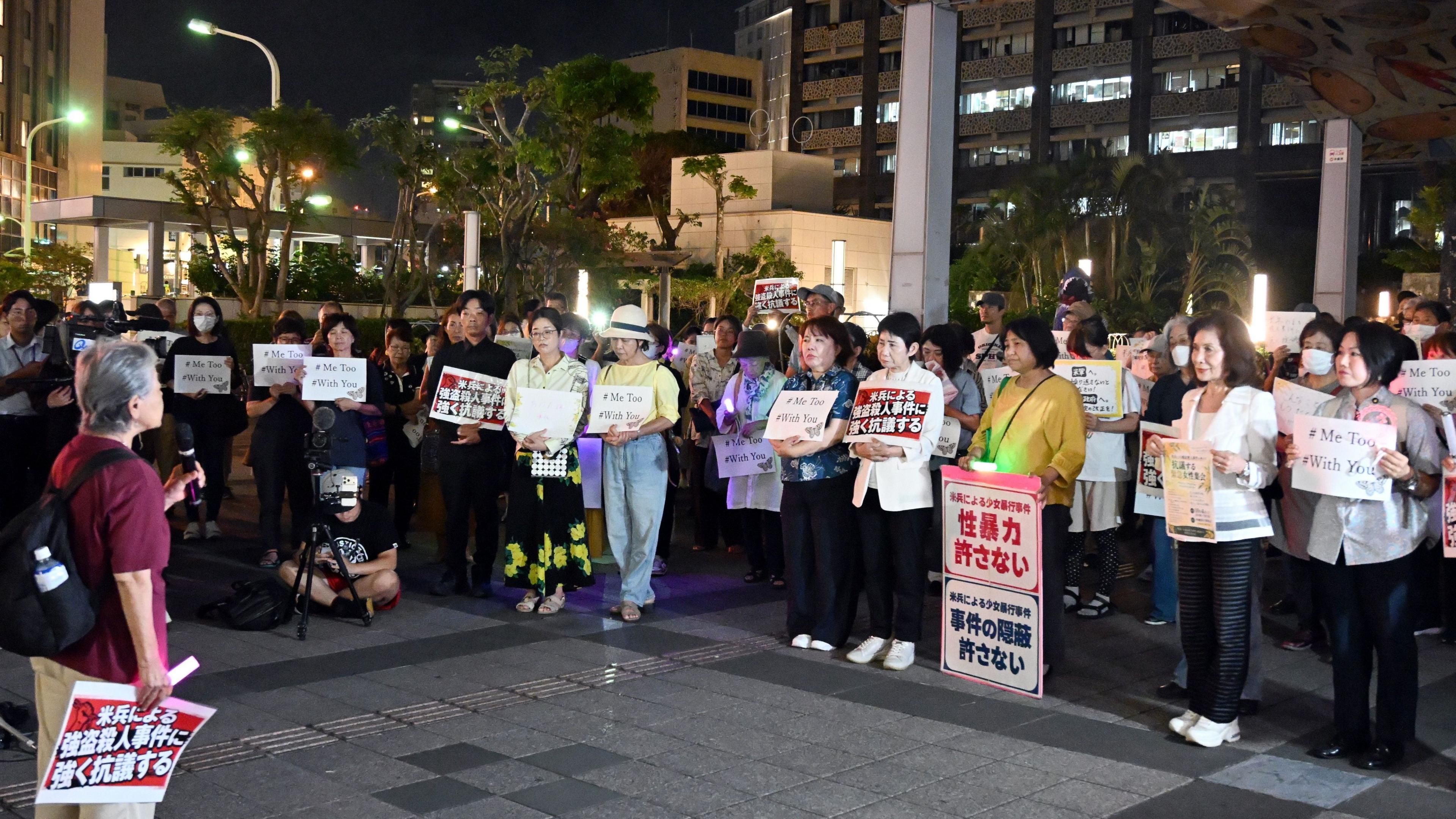
Following news of the suspected murder, people in Japan have been voicing anger with some 100 people protesting in both Naha and Tokyo. Others took to social media expressing their outrage and demanding justice.
Over the past few years, a number of accidents and crimes have led to growing local opposition to the US presence on the island.
The 2016 rape and murder of a 20‑year‑old local woman saw tens of thousands of protesters demonstrate against the heavy US presence there. A former US marine subsequently received a life sentence for the crime.
The US currently has about 55,000 military personnel stationed in Japan, with the heaviest concentration based in the tropical island prefecture. Okinawa is one of the country’s smallest prefectures, but 70% of the land used exclusively by the US military in Japan is located there.
In 1972, Okinawa prefecture was returned to Japanese control after United States forces occupied the islands at the end of the Second World War. Since then, there have been 6,409 arrests for criminal offences related to US military personnel, according to Okinawa Prefectural Government.
Locals say the significant US presence has stirred resentment over a number of issues from crimes—including rapes, assaults, and drunk‑driving accidents—to local disturbances such as noise and aircraft crashes.
In 1995, three US servicemen abducted, beat, and raped a 12‑year‑old schoolgirl. In 2025, a US Marine was convicted of choking and sexually assaulting a Japanese woman.
Even 80 years after the war, Okinawa where we live is a place that is so unnerving, 48‑year‑old mother of two boys Hitomi Miyagi told the BBC. 'We will not stop raising our voices hoping for an Okinawa, where we can live in peace,' she added.