Vladimir Putin’s ultimatum to the West comes amid escalating tensions in the Baltic region.
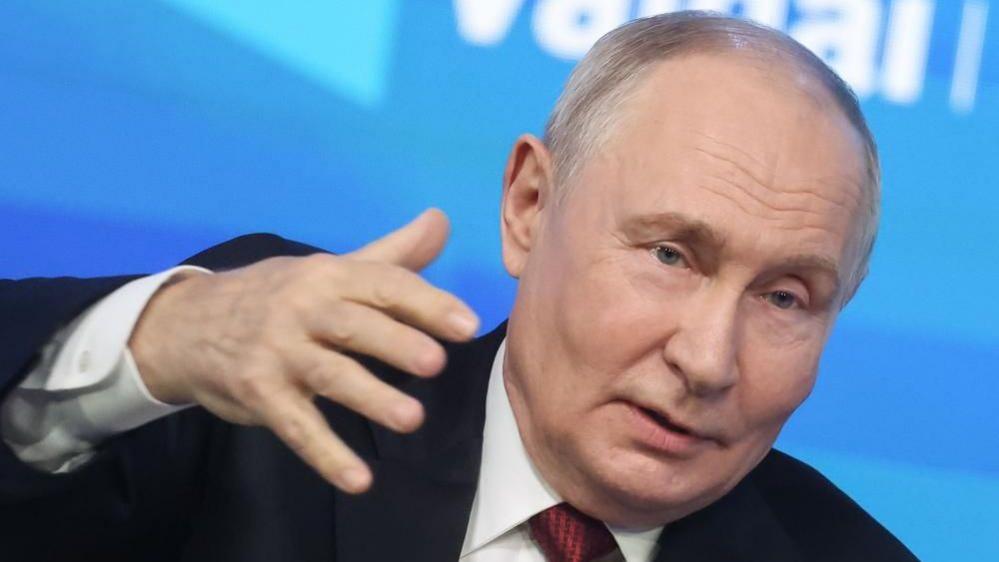
At the Valdai foreign‑policy forum, the Russian president warned that if any country were to strike at the strategically crucial exclave of Kaliningrad, Moscow would resort to all weapons at its disposal, including nuclear arms. He clarified that these threats are defensive, not offensive, and that he refuses to be seen as the initiator of conflict.
Putin insisted that Western leaders had painted Moscow as preparing for war in 2029‑2030, a claim he rebuffed as untrue. He accused NATO of holding naval manoeuvres that threaten Kaliningrad’s access to the Baltic Sea, arguing that the alliance is positioning itself for a blockade.
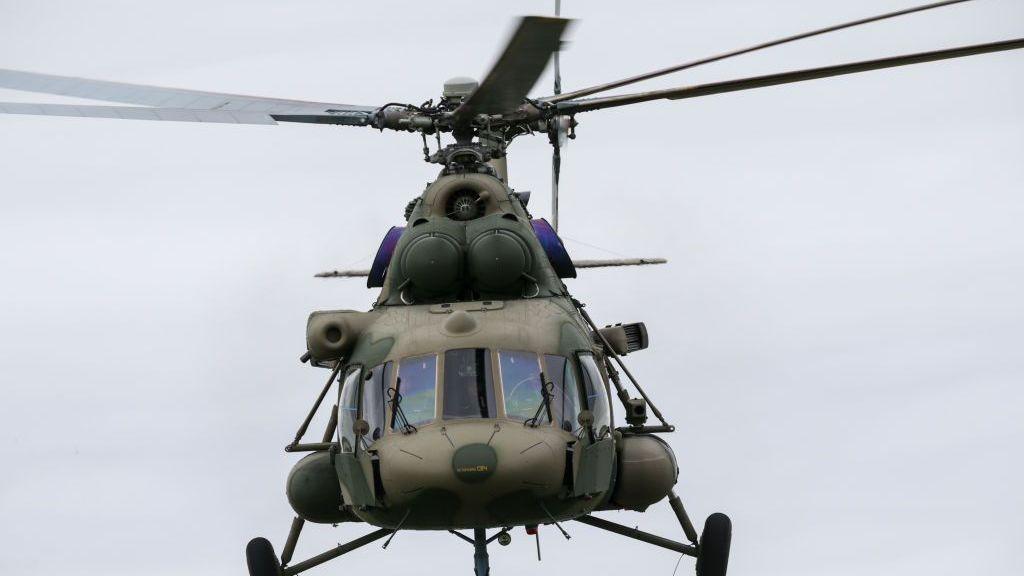
He cited recent hybrid attacks—such as drone incursions along the Polish‑Lithuanian border and a traced Russian helicopter over Polish airspace—as evidence of increasing aggression. “If Kaliningrad falls under Western control, we will not hesitate to use the full range of our military capabilities,” he said.
The Kremlin’s rhetoric comes at a time when NATO stresses its defensive posture. The NATO Secretary‑General has called the alliance’s exercises benign, but Putin’s comments reinforce the Kremlin’s narrative that it is under siege.
The speech ends on a stark note: “We are not threatening anyone, but if aggression comes, we will respond immediately.” This clear warning has heightened anxieties among European neighbours and underscores the fragile security calculus that defines the Baltic corridor.