In brief
On January 22, 2026, the U.S. finalized its withdrawal from the World Health Organization (WHO), a move initiated by former President Trump in response to the agency's handling of the COVID-19 pandemic. U.S. officials acknowledged failing to resolve outstanding issues, including a debt of $280 million owed to the WHO. Public health experts claim this withdrawal may undermine global health initiatives, particularly regarding diseases like polio and maternal health. Concerns are raised about limited data access from other countries that may impede future pandemic preparedness.
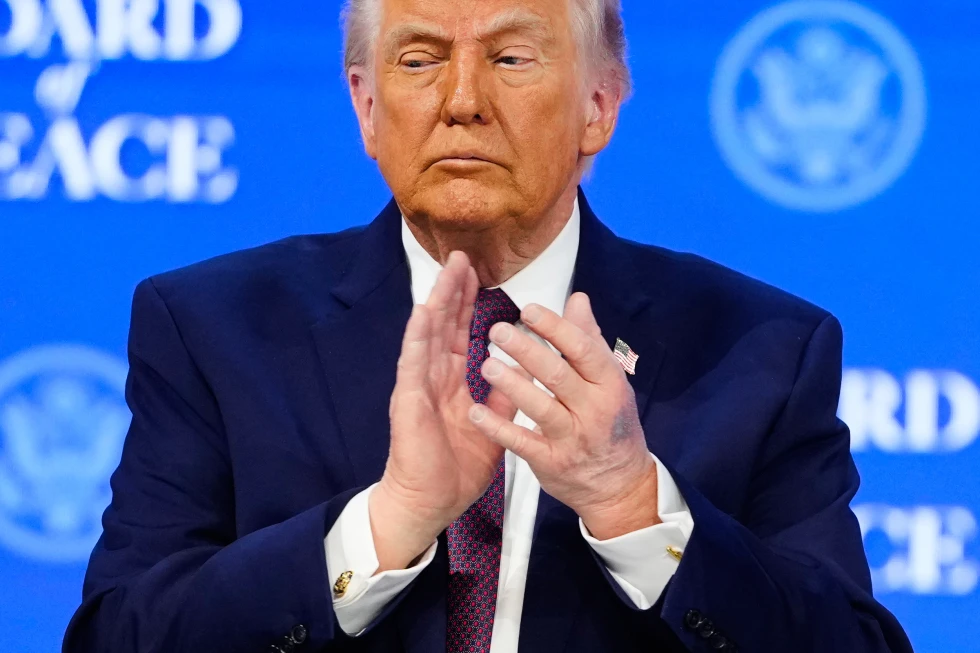
NEW YORK (AP) — The U.S. has finalized its withdrawal from the World Health Organization, one year after President Donald Trump announced America was ending its 78-year-old commitment, federal officials said Thursday.
But it’s hardly a clean break.
The U.S. owes about $280 million to the global health agency, according to WHO. Officials acknowledge that they haven’t resolved outstanding concerns, such as losing access to essential pandemic data from other nations.
The withdrawal compromises the global response to new outbreaks, potentially hindering U.S. scientists’ and pharmaceutical companies' capacity to develop vaccines and medicines against emerging health threats. Lawrence Gostin, a public health law expert at Georgetown University, described this decision as possibly the 'most ruinous presidential decision in my lifetime.'
The WHO, a specialized agency of the United Nations, coordinates global health threats, providing technical assistance and setting health guidelines. Almost every country worldwide is a member.
Trump's Justification for Withdrawal
U.S. officials were instrumental in the WHO's creation and have historically been among its largest donors, contributing hundreds of millions yearly.
Trump cited mismanagement of the COVID-19 pandemic and called for urgent reforms as reasons for the nation's exit. He also claimed the WHO demonstrated political bias favoring certain member nations.
Although the WHO made errors during the pandemic, including conflicting directives about mask usage, the implication of the U.S. exiting is a significant setback for collaborative health efforts.
Public Health Experts Sound the Alarm
Health experts warn that the U.S. pullout could damage crucial global health programs aimed at eradicating diseases like polio and improving maternal and child health. Dr. Ronald Nahass labeled the withdrawal as 'shortsighted and misguided.'
The U.S. will no longer officially participate in WHO committees or share vital flu data, which traditionally helps guide vaccine development and updates.
Trump administration officials assert that they will cultivate direct public health relationships with other countries, although critics argue this ambition may prove impractical.
Outstanding Financial Obligations
The U.S. is legally required to notify the WHO one year in advance of withdrawal and pay any outstanding dues. However, the current administration is disputing this obligation.
With no payments made for the years 2024 and 2025, the outstanding balance stands at approximately $280 million. As the narrative surrounding this situation unfolds, both financial and health implications of the U.S. withdrawal from the WHO remain significant.