In brief
U.S. President Donald Trump's administration has announced the rollback of the endangerment finding, altering greenhouse gas regulations established during the Obama era. This decision is expected to have six major impacts, including fewer restrictions on emissions, cheaper car prices, potential public health risks, and increased susceptibility to nuisance lawsuits. As the U.S. aims for economic benefits, critics argue that this could hinder competitiveness in global renewable energy efforts and increase health hazards for citizens.
U.S. President Donald Trump has announced the reversal of the so-called endangerment finding, a key Obama-era scientific ruling that underpins much of U.S. environmental legislation. As a result of this, experts are predicting various environmental and economic impacts, though the decision by the U.S. Environmental Protection Agency (EPA) is expected to be challenged in the courts from environmental groups.
Fewer Greenhouse Gas Emissions Restrictions
The most obvious outcome of the legislative change is that there will be fewer restrictions placed on greenhouse-gas-producing industries - in particular vehicle manufacturers. The 2009 endangerment finding identified six greenhouse gases, including carbon monoxide and methane, as endangering future generations. With the endangerment finding gone, so is much of the legal basis limiting U.S. industries in the amount of greenhouse gases they are allowed to emit.
Cheaper Cars in the U.S. (but They'll Be Harder to Export)
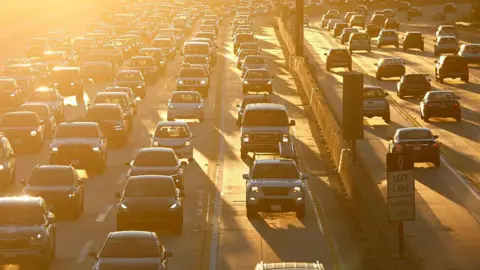
While there has already been a backlash from environmental groups, the Trump administration claims that the removal of the endangerment finding will reduce automobile manufacturers' costs. The reversal is expected to lower manufacturers' costs by around $2,400 per car. However, it remains questionable how manufacturers will adapt, as many international markets still enforce stringent climate targets.
Nuisance Lawsuits
The removal of the endangerment finding is predicted to lead to more public nuisance lawsuits against companies accused of pollution. This shift could result in prior court arrangements being undone, leading to increased legal battles over environmental damages.
Public Health Risks
The change in policy poses potential health risks, with experts suggesting that more greenhouse gas emissions could lead to thousands of premature deaths, asthma attacks, and hospital visits across the nation, contradicting the EPA's claim that these changes will protect human health.
Falling Behind in the Global Renewables Race
The decision to reverse greenhouse gas regulations raises concerns about the U.S.'s competitiveness in global renewable energy markets. With many countries advancing in clean vehicle and renewable technology, the U.S. faces potential disadvantages as it relaxes its standards.
Less Industry Regulation
Despite criticisms regarding the environmental implications, supporters of the rollback argue it will alleviate economic burdens from regulation, claiming it results in up to $1.3 trillion in savings for taxpayers.