WASHINGTON (AP) — On Thursday, the Trump administration took a remarkable step by revoking a scientific finding that has served as a foundational basis for U.S. regulations addressing greenhouse gas emissions and tackling climate change.
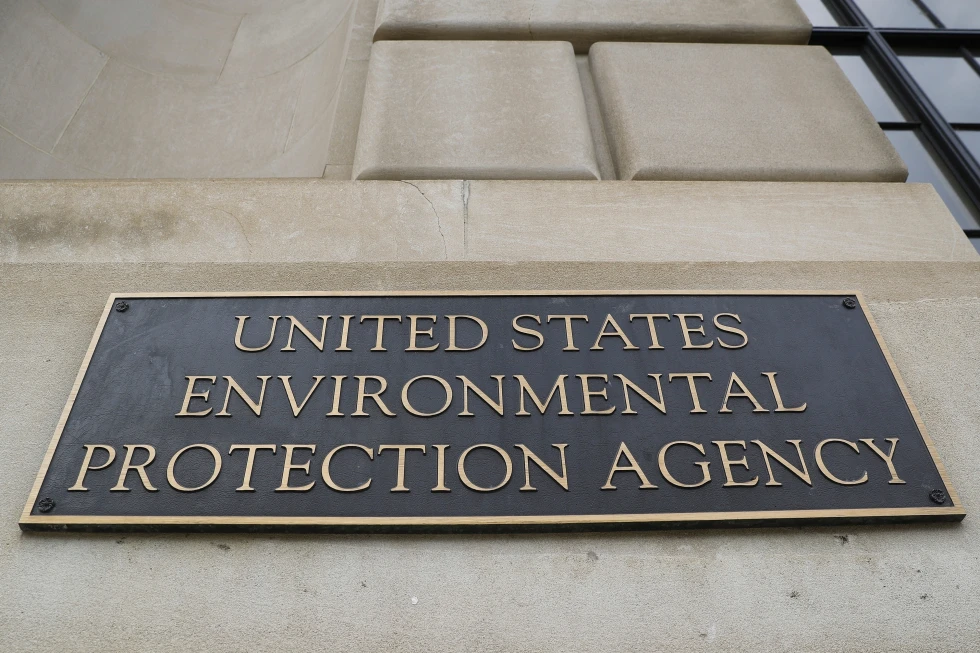
The Environmental Protection Agency (EPA) finalized a rule that rescinds the 2009 endangerment finding, which established that carbon dioxide and other greenhouse gases pose serious threats to public health and welfare. This decision represents the most vigorous attempt by the administration to unwind existing climate regulations.
The endangerment finding is critical as it provides the legal basis for numerous climate regulations under the Clean Air Act, affecting motor vehicles, power plants, and other major pollution sources. Experts cite that this withdrawal could lead to extensive legal challenges and significantly impact the regulation of greenhouse gas emissions from vehicles and industrial sources.
Ann Carlson, an environmental law professor at UCLA, stated that this repeal could unleash far-reaching consequences that exceed prior actions by the Trump administration against environmental protections.
EPA Administrator Lee Zeldin remarked that the repeal would be “the largest deregulatory action in American history.” Zeldin's administration has adopted a pro-business stance, which critics argue undermines critical climate regulations.
Environmental advocates described the decision as a monumental assault on federal authority to combat climate change and anticipated significant challenges ahead.
During the announcement at the White House with President Donald Trump, Zeldin also signaled plans to delay a separate Biden-era regulation that limits greenhouse gas emissions from cars and light trucks. Zeldin argued that previous regulations threatened economic stability and consumer choices.
Many environmentalists warn that this deregulatory approach would maintain the prevalence of gasoline-powered vehicles on U.S. roads for a longer time, undermining efforts to mitigate climate pollution and protect public health.
As calls for stronger environmental protections grow, this decision may not only alter existing regulations but could also influence future climate policy directions under subsequent administrations.
Follow further developments on this topic and the Environmental Protection Agency's actions for more insights on climate regulations.