The United States and Iran have tentatively agreed to a two-week conditional ceasefire, during which shipping traffic through the strategic Strait of Hormuz will be permitted. This decision marks a significant development following a month of intense conflict that saw coordinated attacks by the US and Israel against Iranian targets.
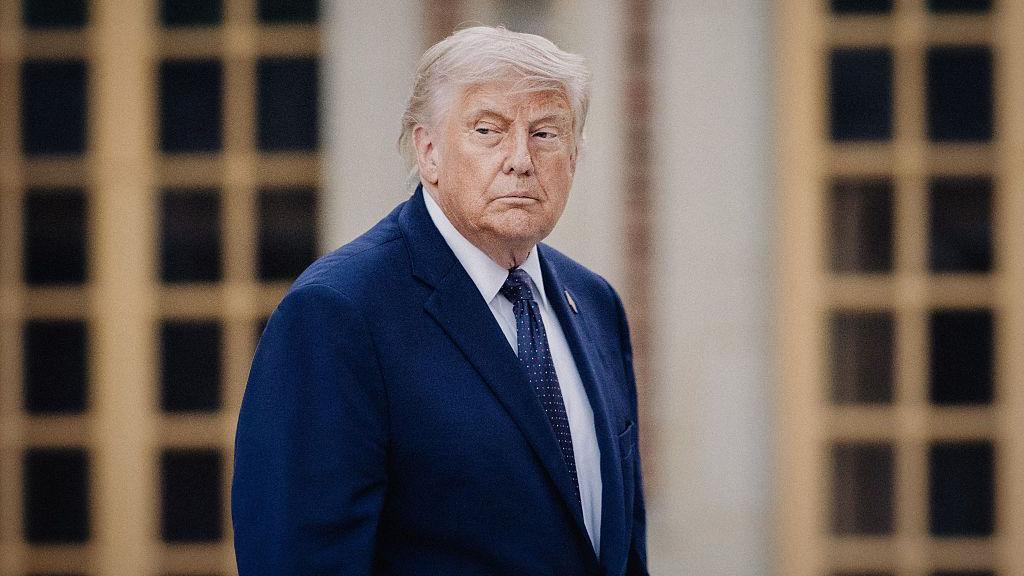
The ceasefire was reportedly mediated by Pakistan's Prime Minister Shehbaz Sharif, who stated that it became effective immediately. The agreement comes amidst a backdrop of escalating threats from US President Donald Trump, who previously warned that a whole civilisation will die tonight if Iran did not comply with demands to reopen the Strait.
In tandem with this ceasefire, both nations are set to engage in further negotiations, with Trump announcing the suspension of military actions against Iran, contingent upon Tehran's actions concerning the Strait.
Iran has expressed willingness to allow vessels through the Strait, coordinating passage through its military. The Iranian government has presented a comprehensive 10-point plan aimed at full military de-escalation across the region, which includes promises not to pursue nuclear weapon capabilities.
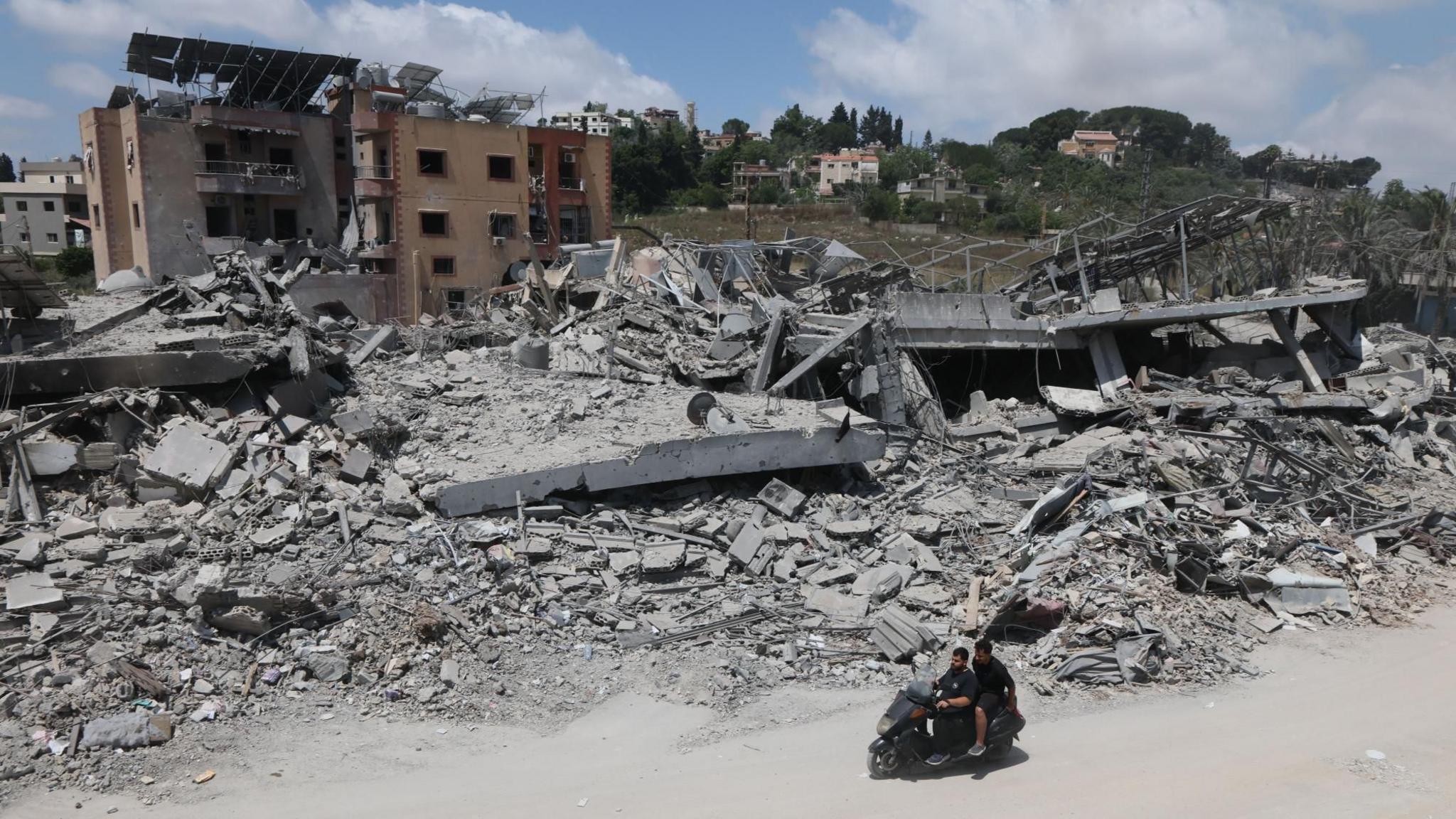
In contrast, tensions remain rife as Israel continues military operations, asserting that the ceasefire does not extend to its operations in Lebanon, a stance refreshing military actions by Israel in the region.
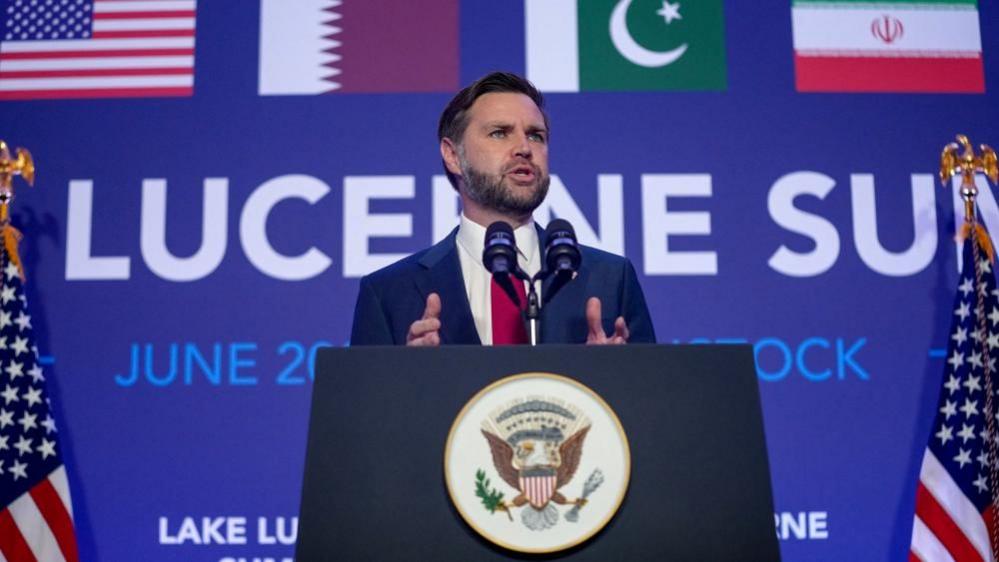
Future talks are being organized to reach a long-term resolution, with representatives from the US expected to attend negotiations in Pakistan. The international community has reacted positively to the ceasefire, hoping for a swift and sustainable end to the ongoing conflicts.