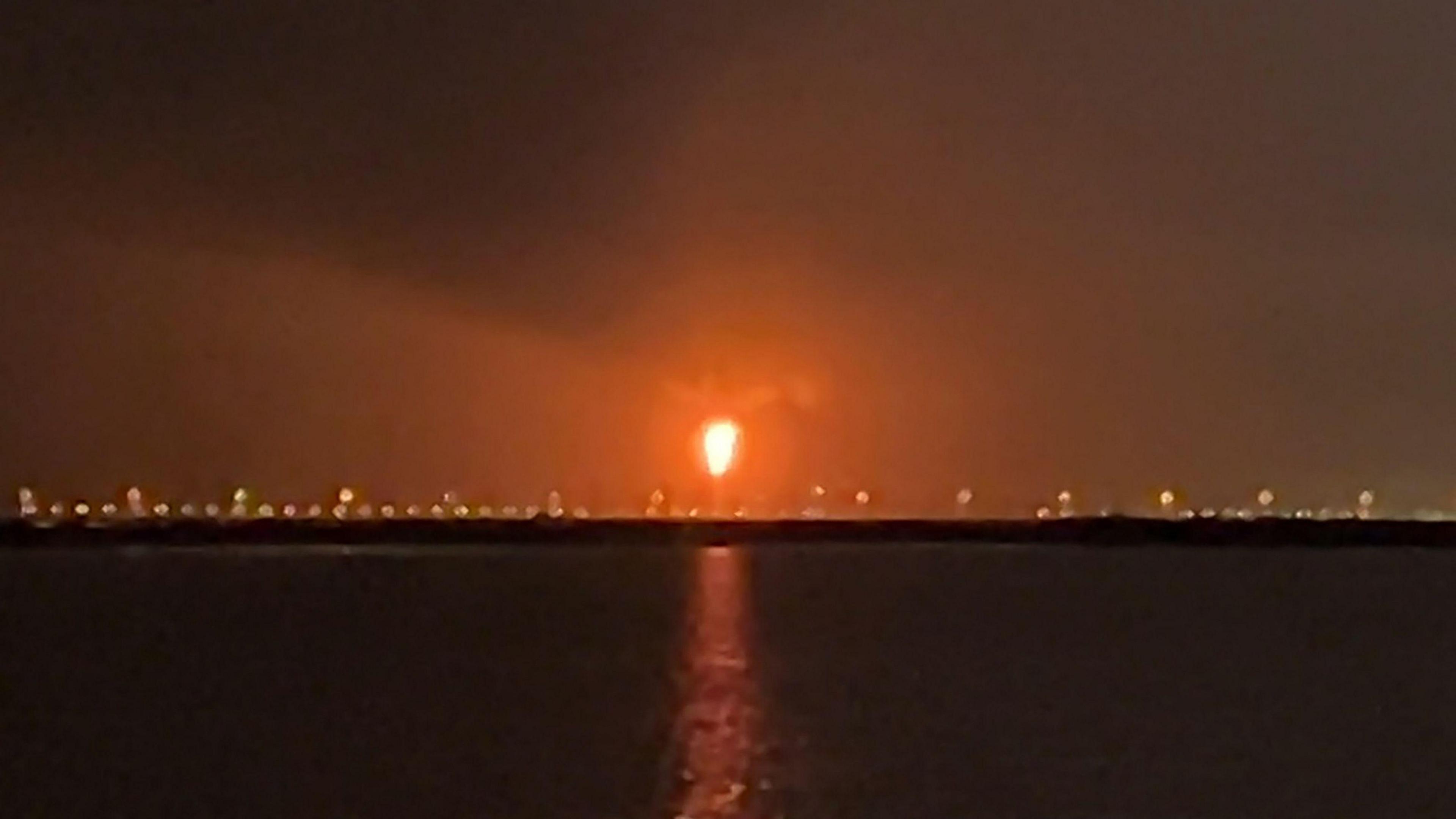
Iran has formally condemned US air attacks on its southern coast as a ‘gross violation’ of the ceasefire that was put in place last April. The Central Command (CENTCOM) traded the hit sites as defensive moves against Iranian missile sites and boats allegedly laying mines in the Strait of Hormuz.
The U.S. said the strikes were launched on Monday, targeting vessels and missile launch pads in the Hormozgan province. Iran’s foreign ministry, responding swiftly, framed the attacks as “aggressive and unjustified” and warned that Tehran would not tolerate any “evil” being left unanswered.
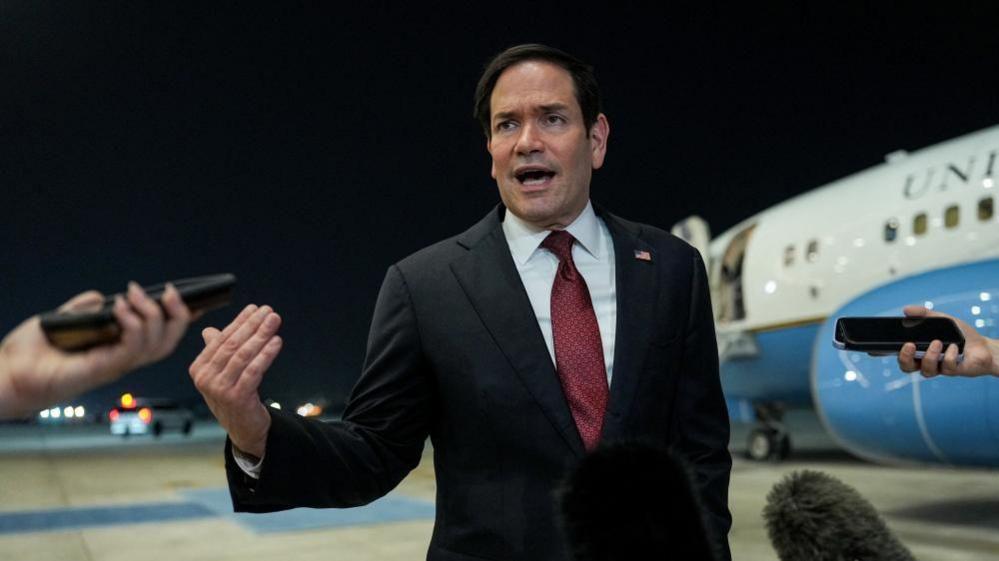
These clashes come at a precarious moment for diplomacy. Talks, largely brokered by Pakistan and now with Iranian negotiators also returning to Doha, have stalled on key issues such as the release of frozen Iranian funds abroad. Although U.S. Secretary of State Marco Rubio hinted that a breakthrough could still be reached in a few days, the latest assaults risk further widening the gulf.
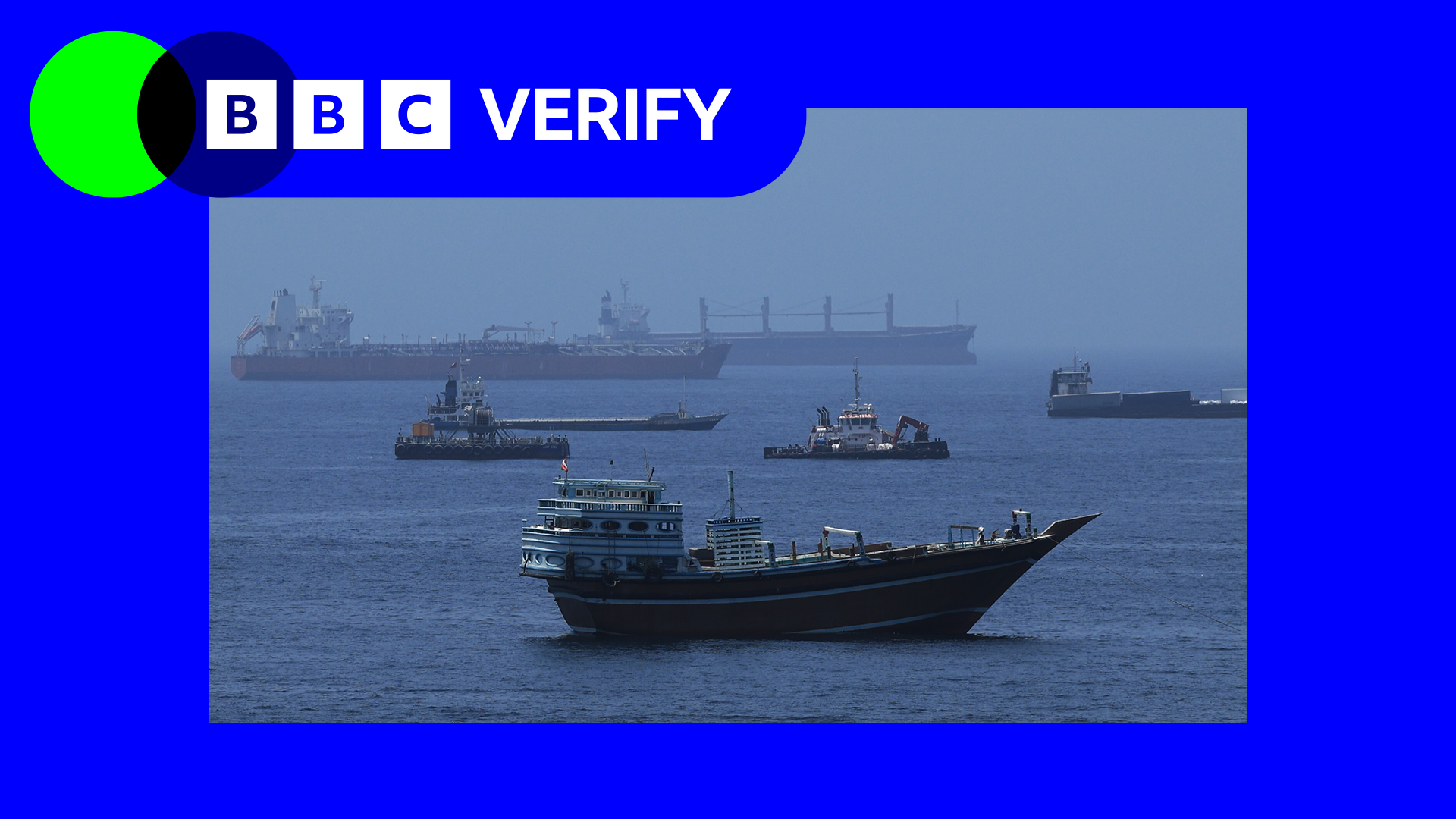
In the broader context, Iran has been blockading the Strait of Hormuz – a crucial artery that carries roughly a fifth of global oil traffic – since February 28, when the US and Israel launched their campaign. The U.S., Israel and Western allies have repeatedly accused Tehran of pursuing a nuclear weapons program, a claim Iran denies, insisting its enrichment is for peaceful purposes.
The latest strikes, therefore, not only test the limits of the ceasefire but also add urgency to discussions about Iranian nuclear stockpiles, the status of its high‑enriched uranium, and the strategic calculus surrounding the blocking of one of the world’s most vital shipping lanes.}
The U.S. said the strikes were launched on Monday, targeting vessels and missile launch pads in the Hormozgan province. Iran’s foreign ministry, responding swiftly, framed the attacks as “aggressive and unjustified” and warned that Tehran would not tolerate any “evil” being left unanswered.
These clashes come at a precarious moment for diplomacy. Talks, largely brokered by Pakistan and now with Iranian negotiators also returning to Doha, have stalled on key issues such as the release of frozen Iranian funds abroad. Although U.S. Secretary of State Marco Rubio hinted that a breakthrough could still be reached in a few days, the latest assaults risk further widening the gulf.
In the broader context, Iran has been blockading the Strait of Hormuz – a crucial artery that carries roughly a fifth of global oil traffic – since February 28, when the US and Israel launched their campaign. The U.S., Israel and Western allies have repeatedly accused Tehran of pursuing a nuclear weapons program, a claim Iran denies, insisting its enrichment is for peaceful purposes.
The latest strikes, therefore, not only test the limits of the ceasefire but also add urgency to discussions about Iranian nuclear stockpiles, the status of its high‑enriched uranium, and the strategic calculus surrounding the blocking of one of the world’s most vital shipping lanes.}