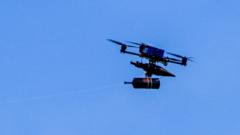
Hezbollah’s newest arsenal is stealthy: small drones that glide silently across the Lebanese frontier, tethered to their operators by a fine fiber‑optic cable. These First‑Person‑View (FPV) drones, which carry explosive charges, have become a dominant weapon of the militant group since the 2024 cease‑fire was signed.
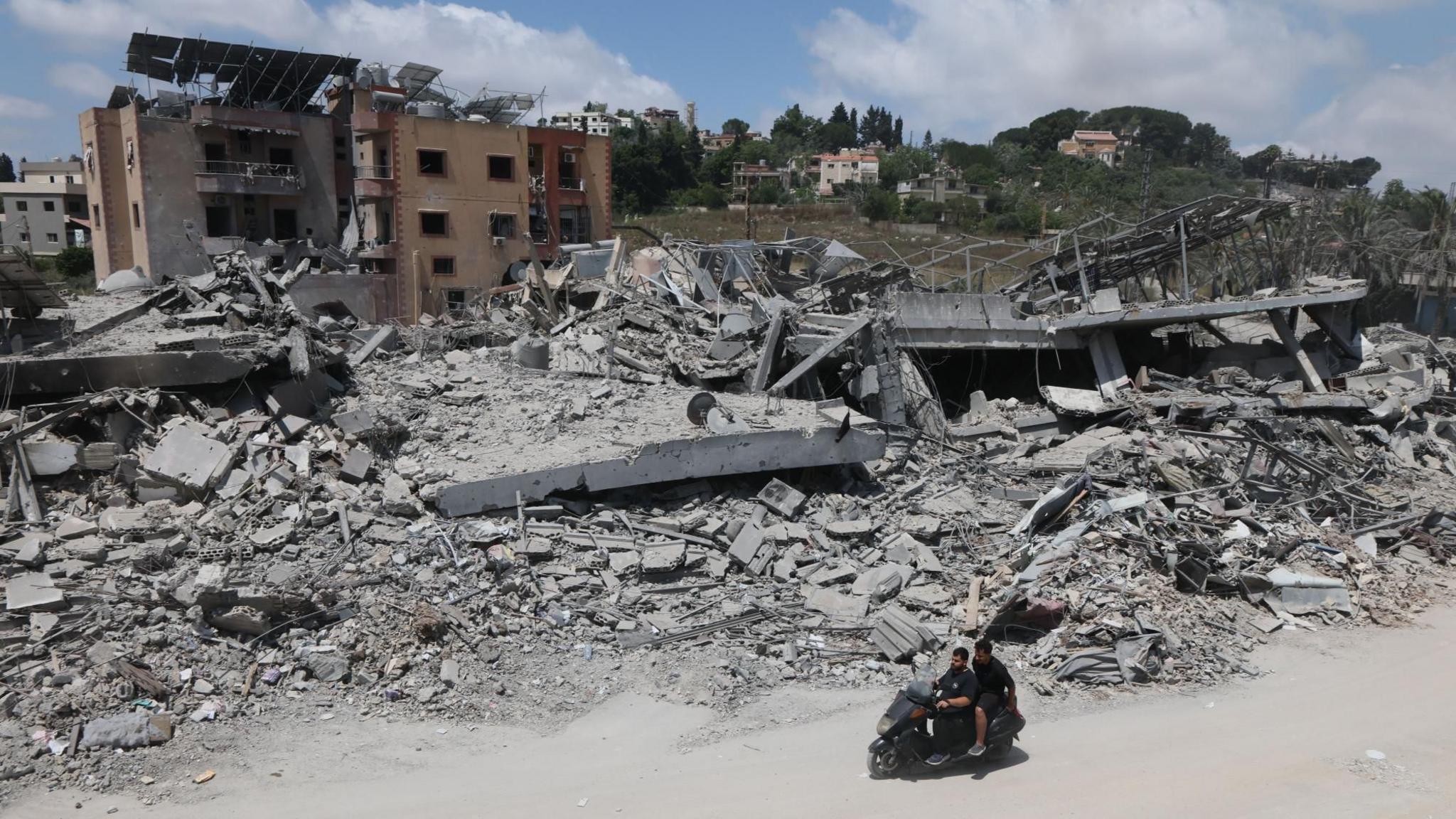
In the town of Shomera, on the western edge of the border, residents describe an eerie calm punctuated by sudden sirens. One night, a drone speared straight into the town’s municipal building. “There is no warning,” says council leader Sami Zanetti. “The drone appears out of nowhere, and it can even follow the target.”
The death toll in the first six weeks after the cease‑fire is now 12—seven soldiers and a civilian contractor. Of those, eight fatalities were caused by fiber‑optic drones. Research from Israel’s Alma Institute notes that since April, the group has conducted more than 100 drone attacks on villages in the Israeli sector, and Israel’s own troops report that the drones are harder to detect than rockets because they fly at lower altitudes and lack a radio link that can be jammed.
Hezbollah’s shift to these drones is seen by analysts as a transfer of tactics from the war in Ukraine. The United Nations reports that Russia’s use of similar drones has become a major challenge for NATO forces. “If we can intercept rockets, then we must learn how to intercept FPVs,” notes Dr Sarit Zehavi, director of the Alma Institute.
Israel’s military has publicly stated that it is developing counter‑measures, including netting for ground positions and advanced interceptor drones, but some sources say these systems are still in early stages. The IDF’s chief commander identified counter‑drone operations as a “central mission” for the Northern Command. The resort to weapons with advanced optical sensors that can lock onto a low‑flying drone is part of a larger effort to protect both troops and civilians.
The use of fiber‑optic drones is also a propaganda tool for Hezbollah. The group releases footage of the drones crashing into Israeli armor, often overlaid with ominous music. The videos feed into a broader psychological campaign aimed at undermining confidence in Israel’s defensive capabilities.
The Palestinian‑backed group’s actions have drawn harsh responses from Israel’s leadership. Federal finance minister Bezalel Smotrich has called for “massive” strikes against Hezbollah strongholds in Beirut. Prime Minister Benjamin Netanyahu has vowed an “overwhelming blow” and said Israel would closely monitor the situation.
In the local news, residents of Shomera and nearby towns are calling for decisive action. Peach farmer Amichai Ben David says the drones are a new and dangerous threat that has “gone beyond rockets.” He urges that the Israeli forces deepen their operations into Lebanon, arguing they must “clear the terrorist threat once and for all” – a sentiment echoed by many local lawmakers.
With Israel’s most recent airstrikes and withdrawals flying in a tightly coupled domestic and diplomatic atmosphere, the window to peacefully contain Hezbollah’s evolving drone threat is shrinking. According to the Alma Institute’s models, over 70% of the attacks now target civilian settlements, an escalation from earlier years when the focus had largely been on military would
be. The United States, the European Union, and other stakeholders have urged Israel to safeguard the civilian population as it navigates how best to respond.
The battle in the skies and on the ground continues, and the question remains: will Israel rise to counter the new fiber‑optic drones, or will the threat spiral into further violence along the fragile border? The coming days may hold the key as the country braces itself for a potentially new phase in the ongoing Israel‑Hezbollah conflict.
In the town of Shomera, on the western edge of the border, residents describe an eerie calm punctuated by sudden sirens. One night, a drone speared straight into the town’s municipal building. “There is no warning,” says council leader Sami Zanetti. “The drone appears out of nowhere, and it can even follow the target.”
The death toll in the first six weeks after the cease‑fire is now 12—seven soldiers and a civilian contractor. Of those, eight fatalities were caused by fiber‑optic drones. Research from Israel’s Alma Institute notes that since April, the group has conducted more than 100 drone attacks on villages in the Israeli sector, and Israel’s own troops report that the drones are harder to detect than rockets because they fly at lower altitudes and lack a radio link that can be jammed.
Hezbollah’s shift to these drones is seen by analysts as a transfer of tactics from the war in Ukraine. The United Nations reports that Russia’s use of similar drones has become a major challenge for NATO forces. “If we can intercept rockets, then we must learn how to intercept FPVs,” notes Dr Sarit Zehavi, director of the Alma Institute.
Israel’s military has publicly stated that it is developing counter‑measures, including netting for ground positions and advanced interceptor drones, but some sources say these systems are still in early stages. The IDF’s chief commander identified counter‑drone operations as a “central mission” for the Northern Command. The resort to weapons with advanced optical sensors that can lock onto a low‑flying drone is part of a larger effort to protect both troops and civilians.
The use of fiber‑optic drones is also a propaganda tool for Hezbollah. The group releases footage of the drones crashing into Israeli armor, often overlaid with ominous music. The videos feed into a broader psychological campaign aimed at undermining confidence in Israel’s defensive capabilities.
The Palestinian‑backed group’s actions have drawn harsh responses from Israel’s leadership. Federal finance minister Bezalel Smotrich has called for “massive” strikes against Hezbollah strongholds in Beirut. Prime Minister Benjamin Netanyahu has vowed an “overwhelming blow” and said Israel would closely monitor the situation.
In the local news, residents of Shomera and nearby towns are calling for decisive action. Peach farmer Amichai Ben David says the drones are a new and dangerous threat that has “gone beyond rockets.” He urges that the Israeli forces deepen their operations into Lebanon, arguing they must “clear the terrorist threat once and for all” – a sentiment echoed by many local lawmakers.
With Israel’s most recent airstrikes and withdrawals flying in a tightly coupled domestic and diplomatic atmosphere, the window to peacefully contain Hezbollah’s evolving drone threat is shrinking. According to the Alma Institute’s models, over 70% of the attacks now target civilian settlements, an escalation from earlier years when the focus had largely been on military would
be. The United States, the European Union, and other stakeholders have urged Israel to safeguard the civilian population as it navigates how best to respond.
The battle in the skies and on the ground continues, and the question remains: will Israel rise to counter the new fiber‑optic drones, or will the threat spiral into further violence along the fragile border? The coming days may hold the key as the country braces itself for a potentially new phase in the ongoing Israel‑Hezbollah conflict.