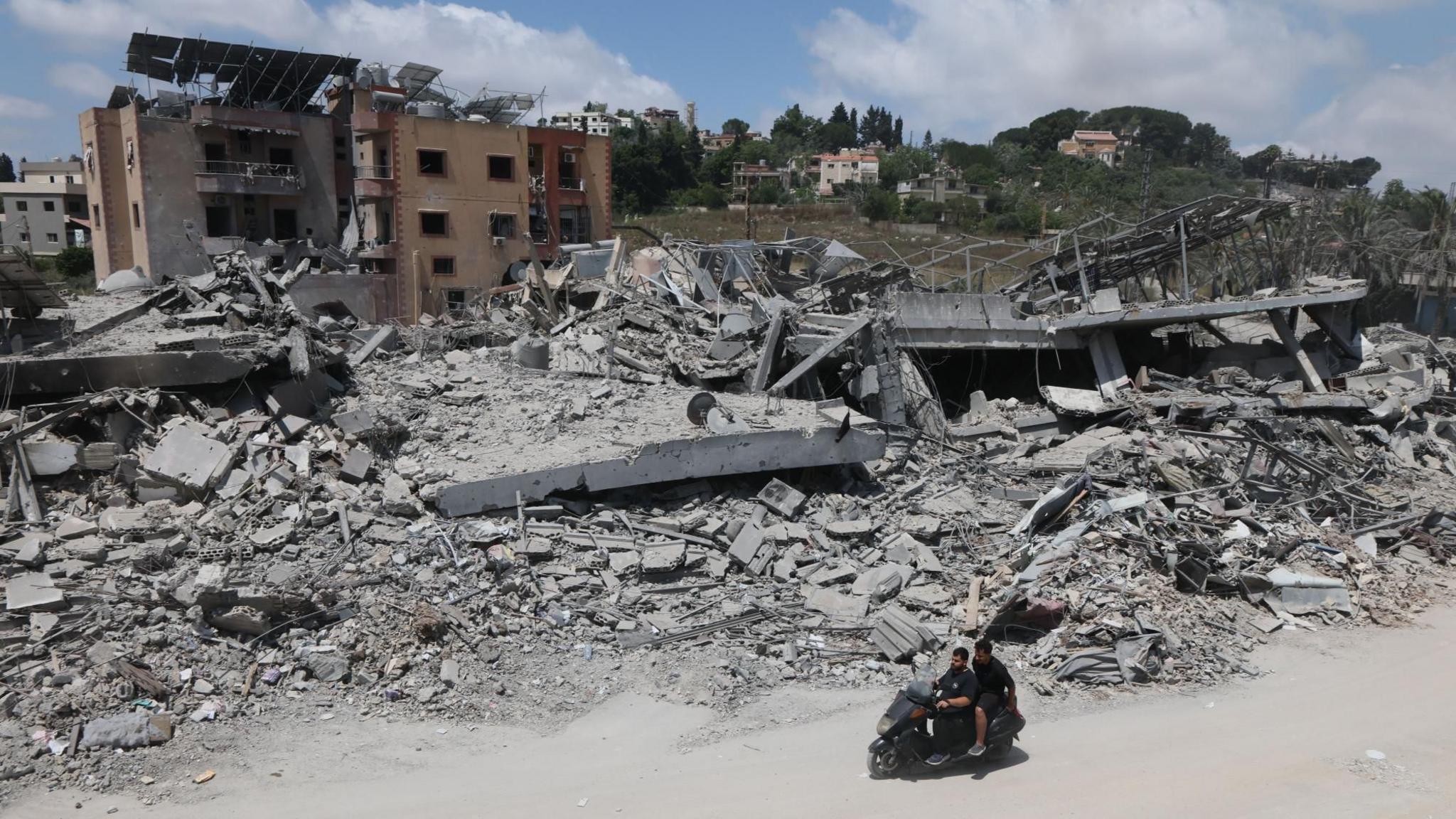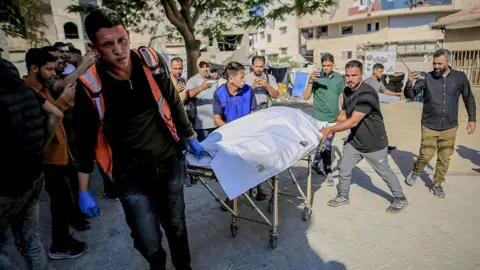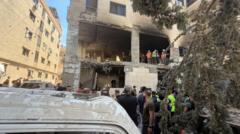
An Israeli air strike on Thursday afternoon struck a Lebanese residential building in Beirut’s densely populated Shia suburb of Dahieh, the stronghold of Hezbollah’s forces. Four people were killed, including two displaced migrants and two local residents, and the blast sent a mushroom‑shaped column of smoke over the city’s skyline.
The Israel Defense Forces (IDF) described the strike as targeted and did not disclose how it was carried out. Israeli media outlets reported that the target was Ali al‑Husni, the commander of the missile arm of the Imam Hossein Division—an Iranian militia that operates under Hezbollah’s umbrella.
This is the second strike on Beirut since the ceasefire that took effect last month, the first occurring earlier in January. Israeli troops had previously avoided the city at the request of President Donald Trump, but said the current operation follows Hezbollah drone attacks on Israeli forces in southern Lebanon.
On Wednesday the IDF issued a warning for residents north of the Zahrani River—about 40 km from the Israeli border—tipping the military to act with “extreme force” if necessary. The most recent evacuation order covers roughly 300 towns and villages, roughly 14 % of Lebanon’s territory, and represents the largest directive since the ceasefire began.
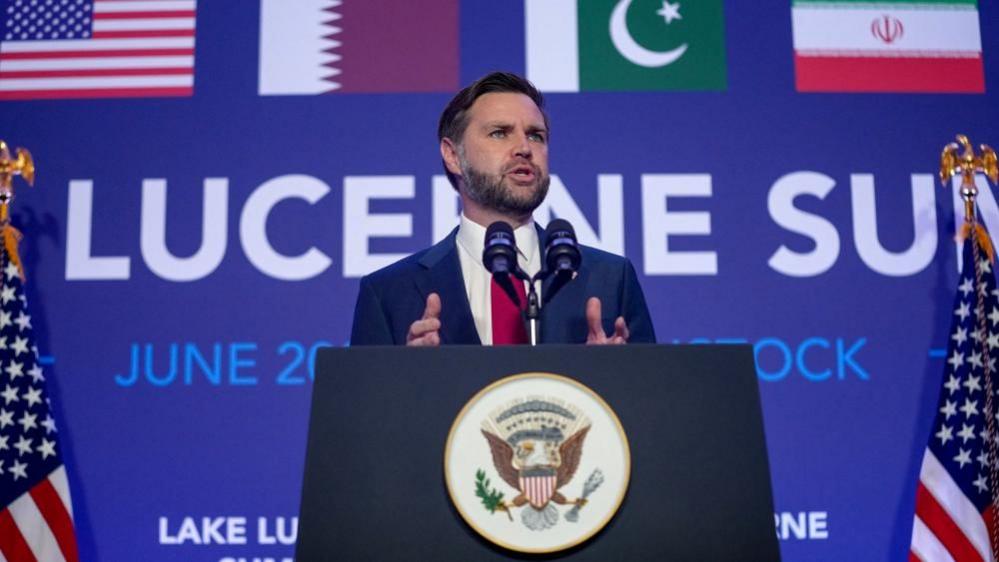
The escalation has come amid intense debates about a broader Middle‑East peace process that seeks to bring together Israel, the United States and Iran. Lebanon’s officials allege that Israeli strikes are a breach of the temporary ceasefire that has been extended twice, while Israeli authorities contend that Hezbollah’s attacks have violated the agreement.
In Saida, north of the Zahrani River, many displaced families have been instructed to keep moving north because shelters are at full capacity. The city, while less hard‑hit than Tyre, saw only a handful of casualties from an earlier missile blast that damaged a resident’s apartment.
Lebanon’s Health Ministry reported that at least 11 people died in two separate aerial strikes on Tyre and the city’s east side earlier in the day, as residents watched flames and smoke engulf streets.
The war, which began when Hezbollah launched rockets into Israel in retaliation for an Israeli strike that killed Iran’s supreme leader, has already claimed more than 3,200 deaths in Lebanon, according to local health ministry data.
Israeli officials have reiterated that Israel reserves the right to continue fighting Hezbollah’s threat to national security while consultations for a wider peace deal continue. The heightened violence risks undermining talks aimed at a comprehensive settlement that would also link Lebanon’s involvement.}
The Israel Defense Forces (IDF) described the strike as targeted and did not disclose how it was carried out. Israeli media outlets reported that the target was Ali al‑Husni, the commander of the missile arm of the Imam Hossein Division—an Iranian militia that operates under Hezbollah’s umbrella.
This is the second strike on Beirut since the ceasefire that took effect last month, the first occurring earlier in January. Israeli troops had previously avoided the city at the request of President Donald Trump, but said the current operation follows Hezbollah drone attacks on Israeli forces in southern Lebanon.
On Wednesday the IDF issued a warning for residents north of the Zahrani River—about 40 km from the Israeli border—tipping the military to act with “extreme force” if necessary. The most recent evacuation order covers roughly 300 towns and villages, roughly 14 % of Lebanon’s territory, and represents the largest directive since the ceasefire began.
The escalation has come amid intense debates about a broader Middle‑East peace process that seeks to bring together Israel, the United States and Iran. Lebanon’s officials allege that Israeli strikes are a breach of the temporary ceasefire that has been extended twice, while Israeli authorities contend that Hezbollah’s attacks have violated the agreement.
In Saida, north of the Zahrani River, many displaced families have been instructed to keep moving north because shelters are at full capacity. The city, while less hard‑hit than Tyre, saw only a handful of casualties from an earlier missile blast that damaged a resident’s apartment.
Lebanon’s Health Ministry reported that at least 11 people died in two separate aerial strikes on Tyre and the city’s east side earlier in the day, as residents watched flames and smoke engulf streets.
The war, which began when Hezbollah launched rockets into Israel in retaliation for an Israeli strike that killed Iran’s supreme leader, has already claimed more than 3,200 deaths in Lebanon, according to local health ministry data.
Israeli officials have reiterated that Israel reserves the right to continue fighting Hezbollah’s threat to national security while consultations for a wider peace deal continue. The heightened violence risks undermining talks aimed at a comprehensive settlement that would also link Lebanon’s involvement.}