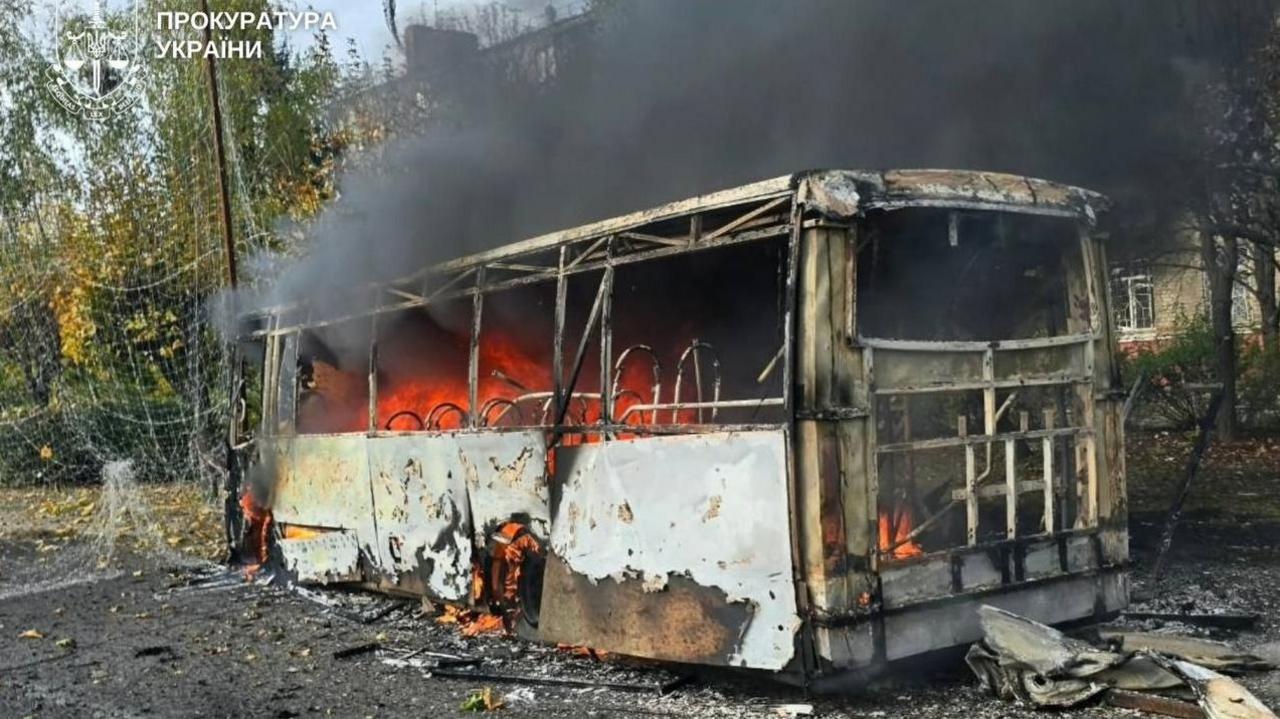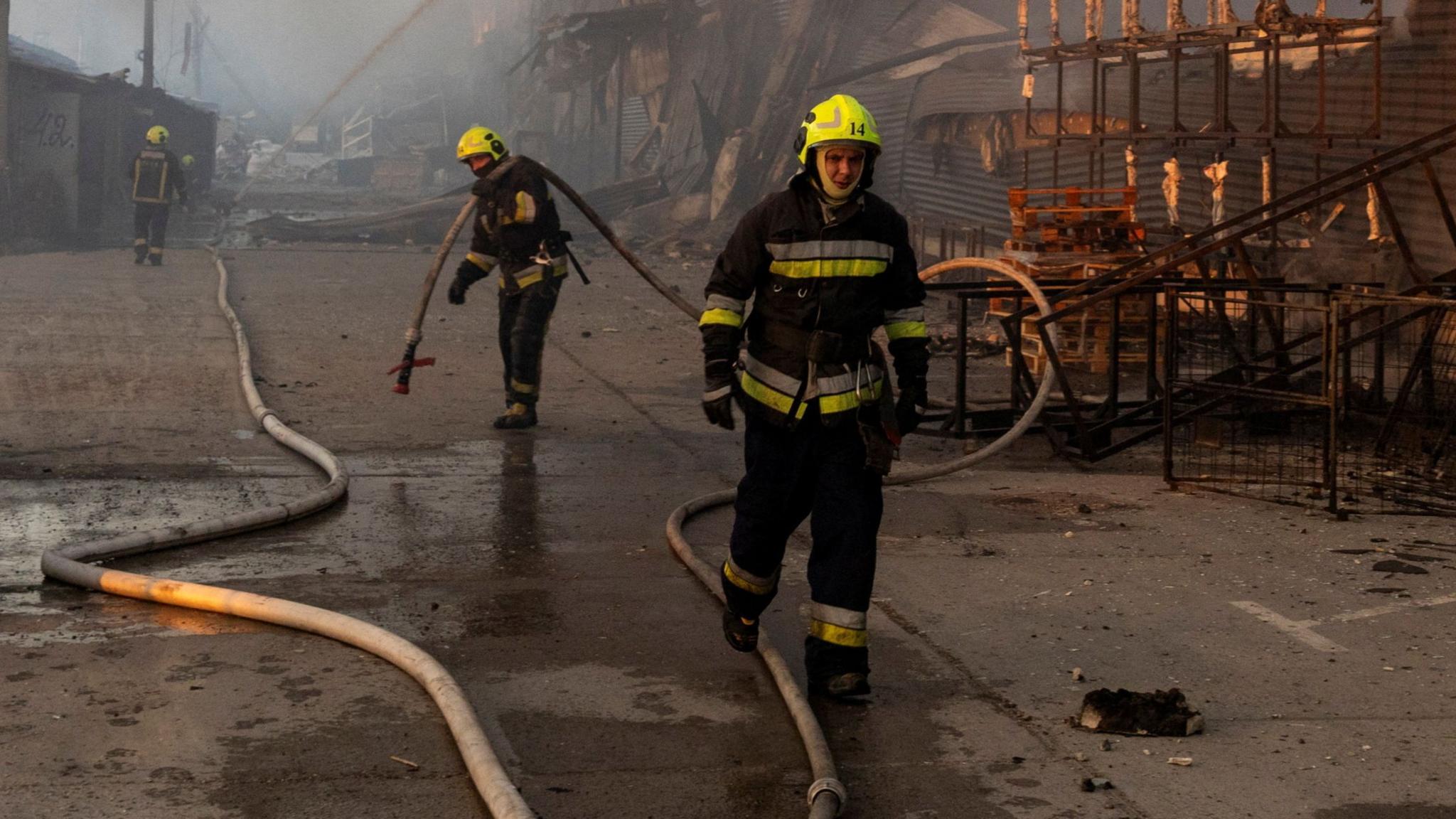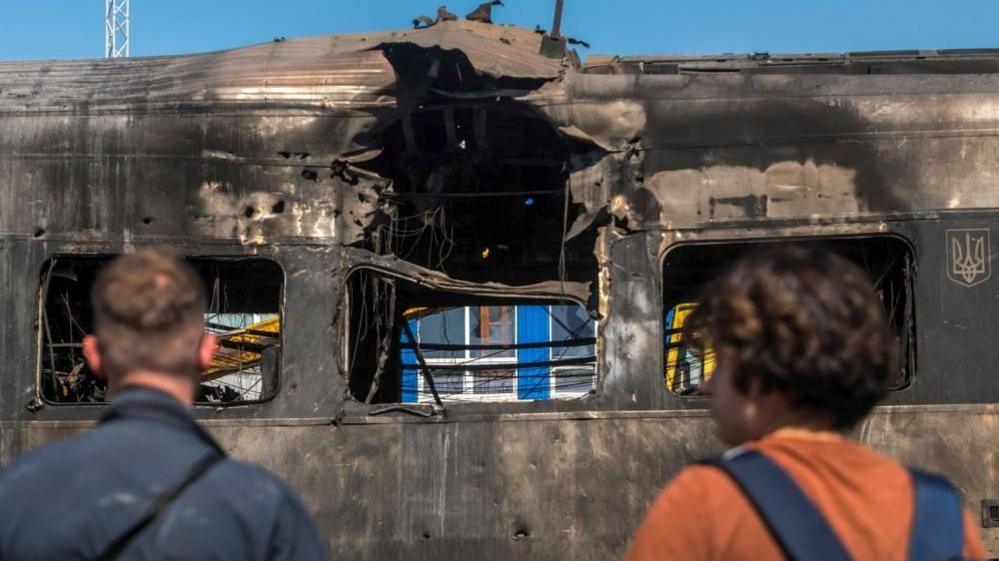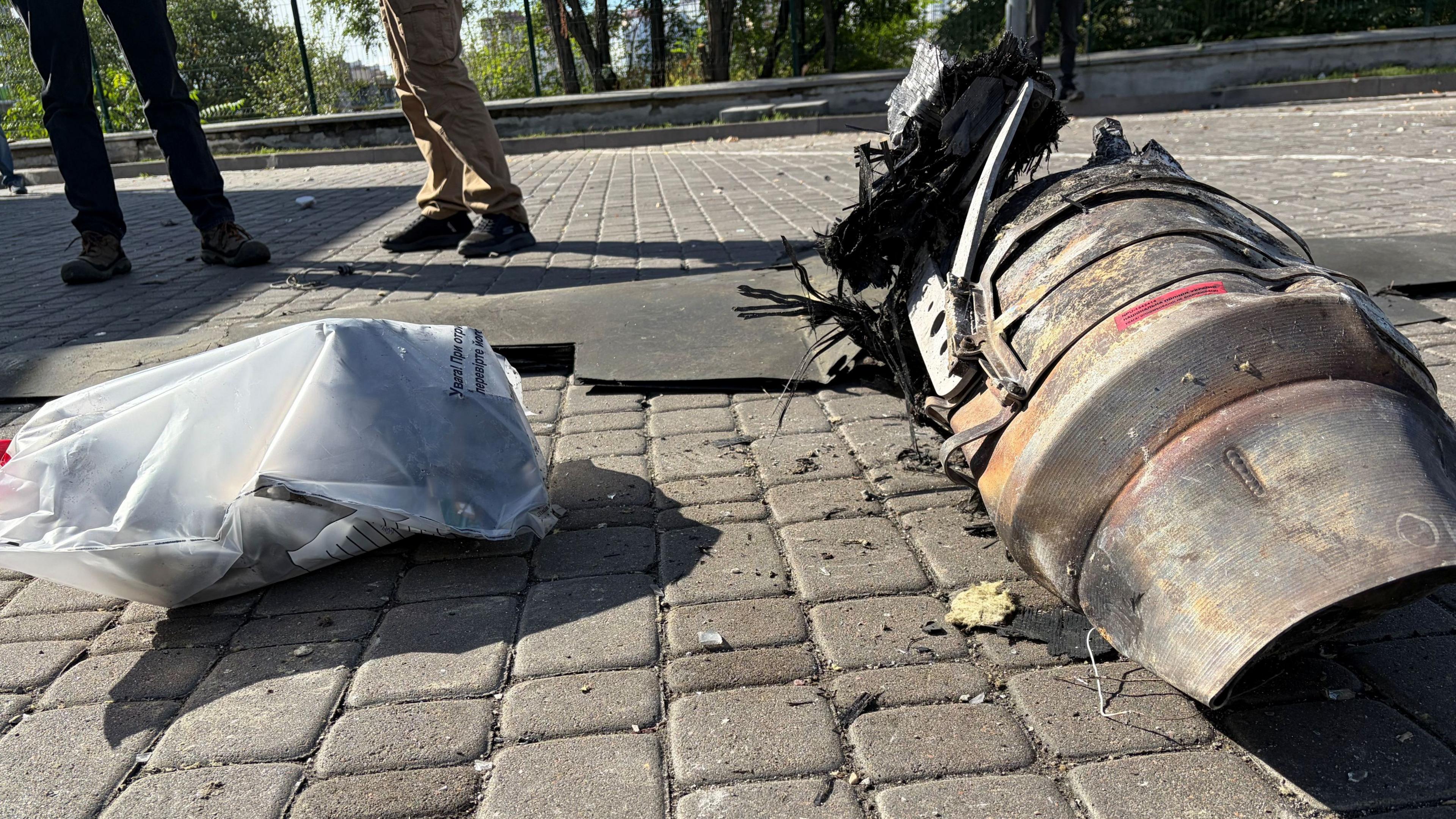
As Russia's attacks on Ukrainian cities intensify and autumn's cooler temperatures hint at another tough winter, Kyiv residents are grappling with two looming challenges: constant drone and missile strikes and biting cold.
The last winter proved brutal – sub‑zero temperatures combined with frequent blackouts caused by Russian interference in the power grid left many households helpless. Mariia Shostak, a mother of two, says she began to dread repeating the experience and packed her bags before the next storm.

Her family will winter in Hurghada, on Egypt’s Red Sea coast, citing cheaper and warmer living conditions. "I don't feel safe in Ukraine in any way," she told us. This mirrors a broader trend where 40% of Ukrainians are weighing relocation if conditions worsen, according to a recent survey.
Other Kyivites are taking refuge closer to home. Olena Konoplia moved her cottage two hours out of the capital to a quiet village without factories or railway stations. The village offers a peaceful environment where she can sleep without sirens and listen to the wind instead of explosions.
The city’s authorities have responded by converting sanatoriums and rehabilitation centres on the outskirts into shelters for the elderly and families with young children. They have also built around 15 small power plants in fortified bunkers to supply heat and electricity to high‑rise blocks, hoping to reduce scheduled cuts.
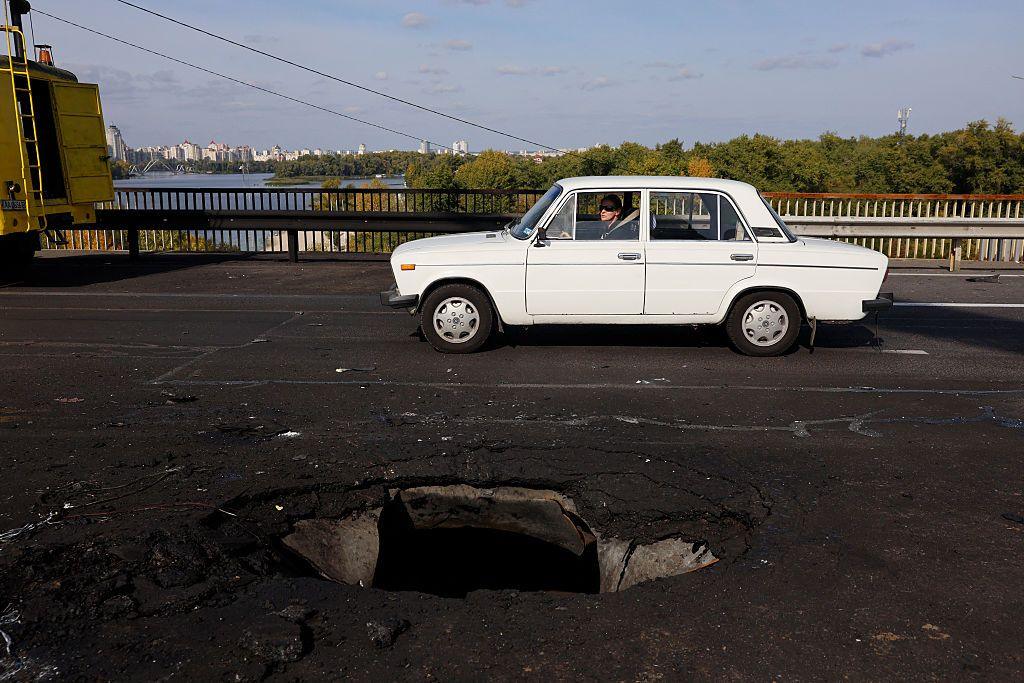
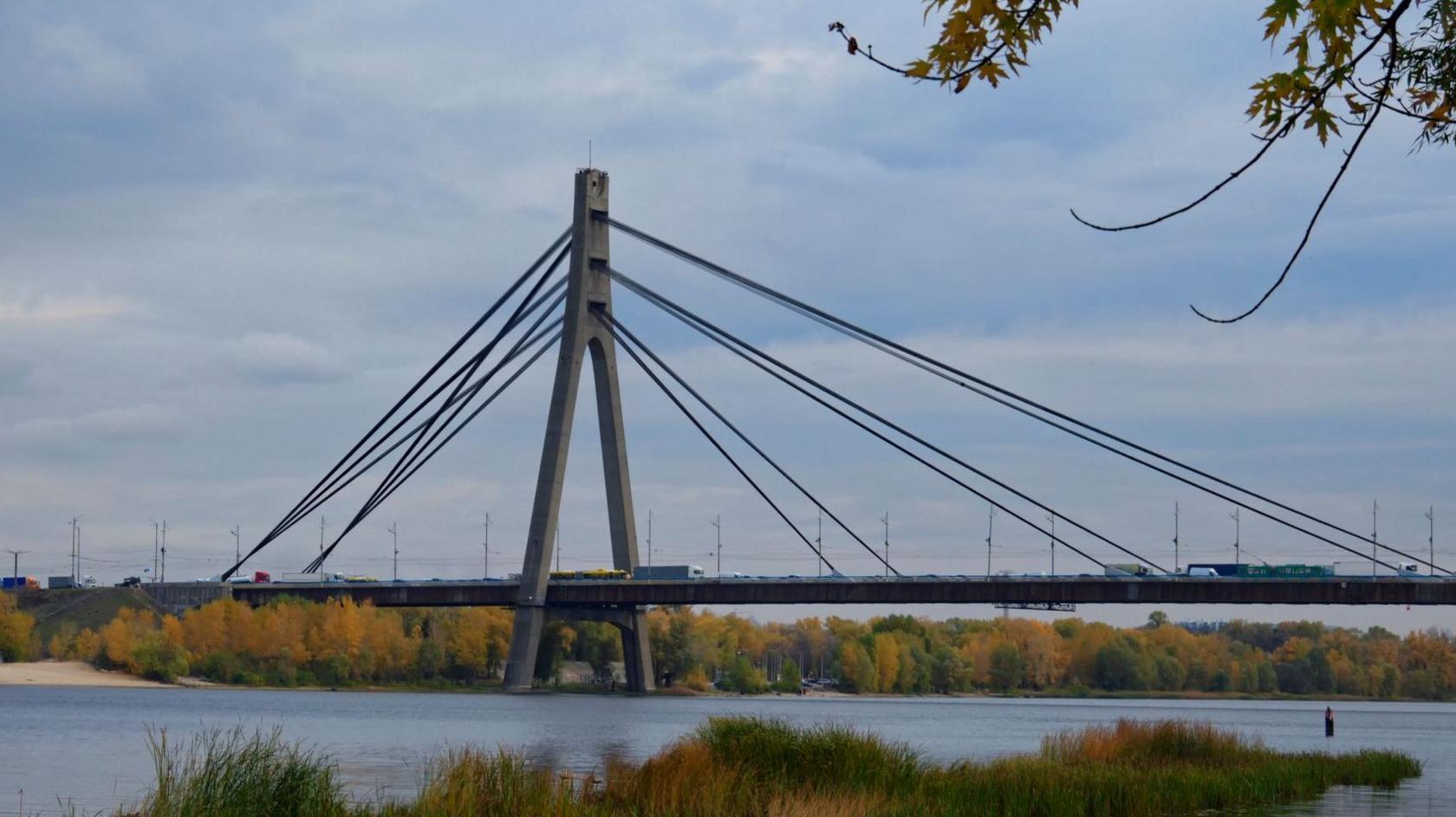
Yet fears persist. The increasing number of missile attacks on bridges, petrol stations, and schools continues to erode confidence. While many are reluctant to leave school or jobs, the looming winter and ongoing war are forcing families to decide whether to stay and endure or flee to safety abroad or in the countryside. The story of Kyiv’s residents reflects a city in siege, fighting for survival on two fronts: the icy cold and the rising red‑flag dread of war.