Kyiv families seek refuge as winter approaches amid rising attacks
With the first frost of the season already upon Kyiv, residents are redeploying to safer dwellings as Russian attacks grow in intensity. "Last winter was the hardest I've ever endured," says Mariia Shostak, a mother of two who is now moving her small apartment to Egypt for the next months. The decision followed late‑August and early‑September incursions that brought drones and missiles directly over the city centre.
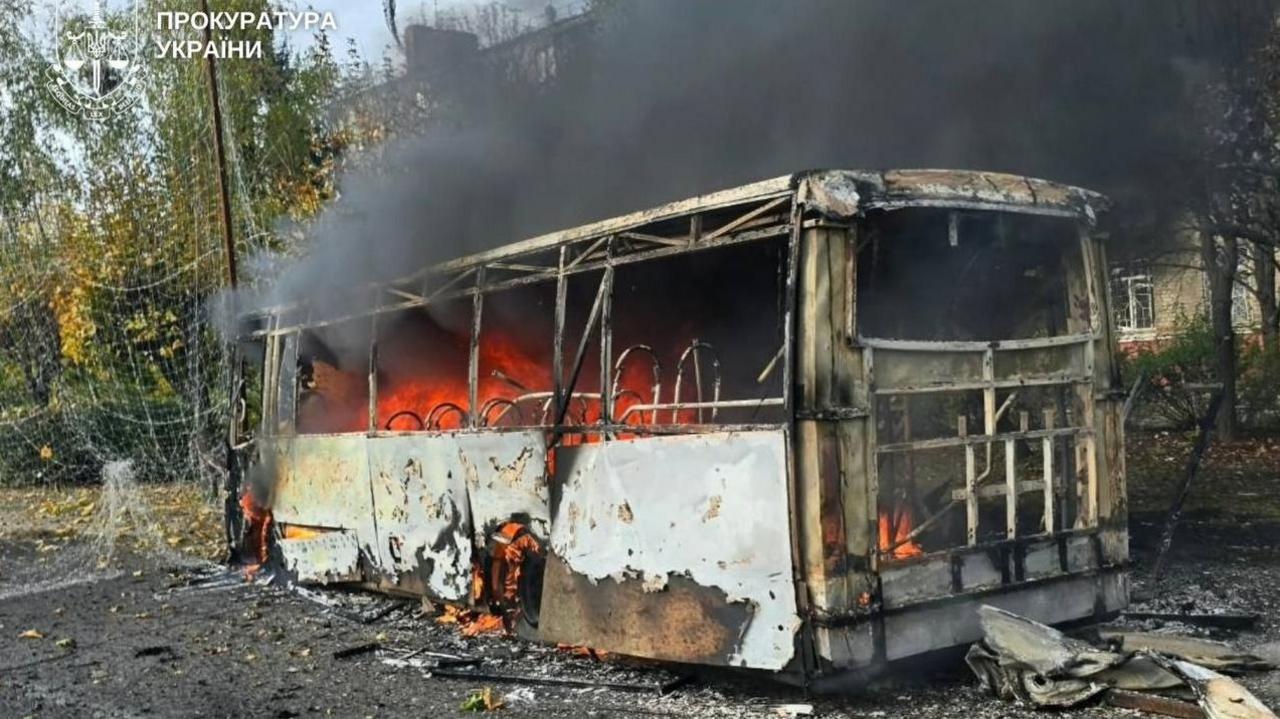
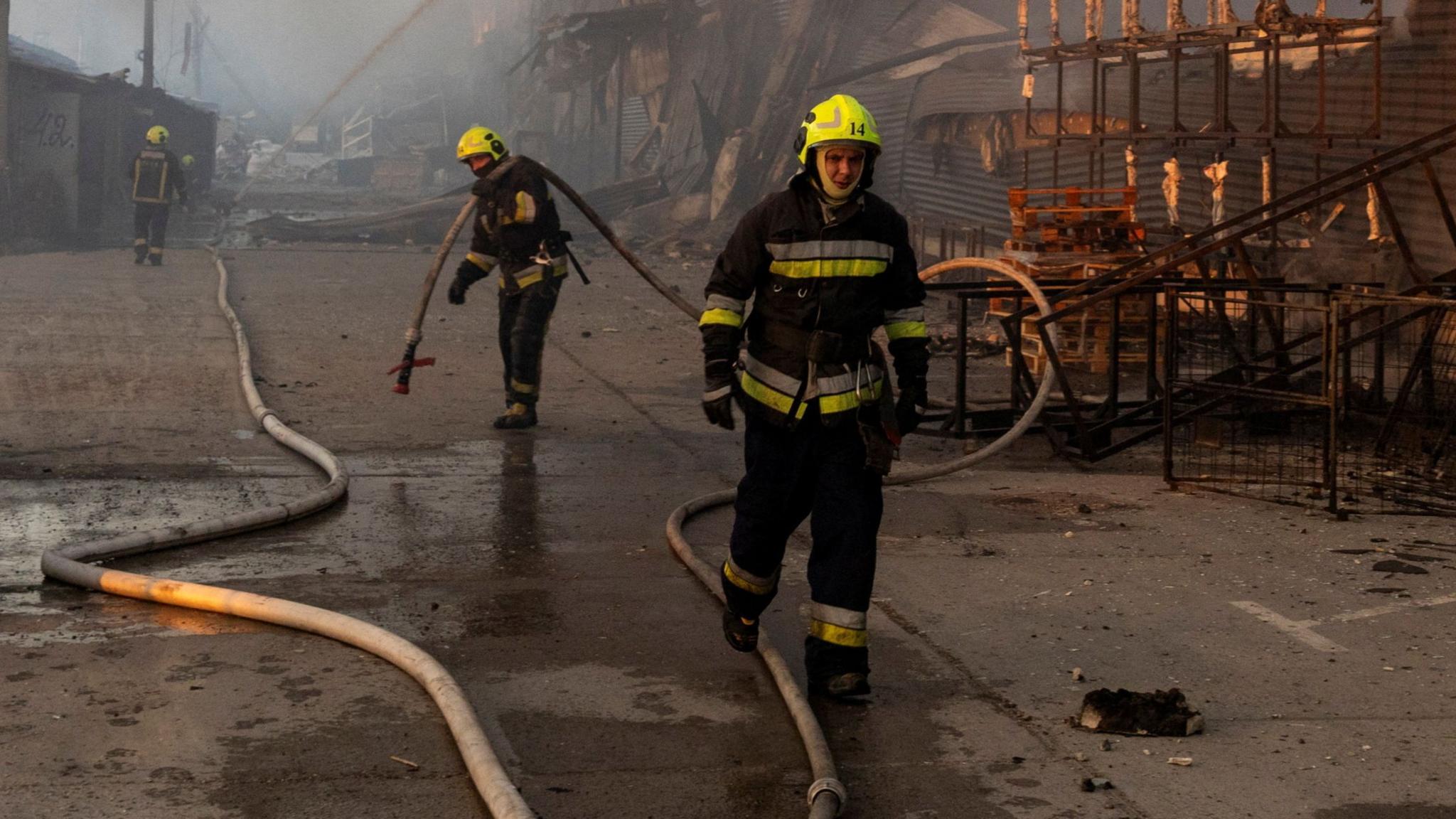
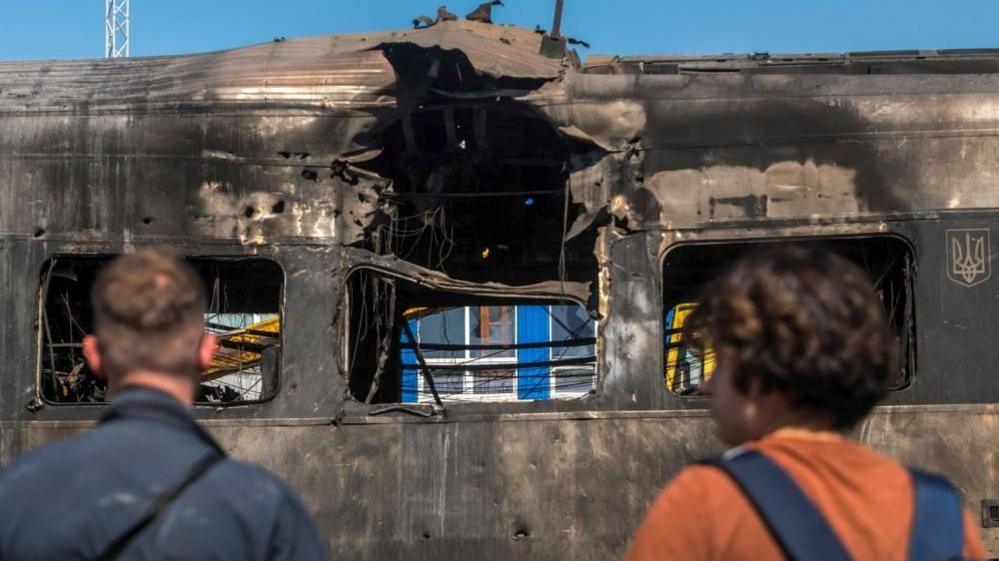
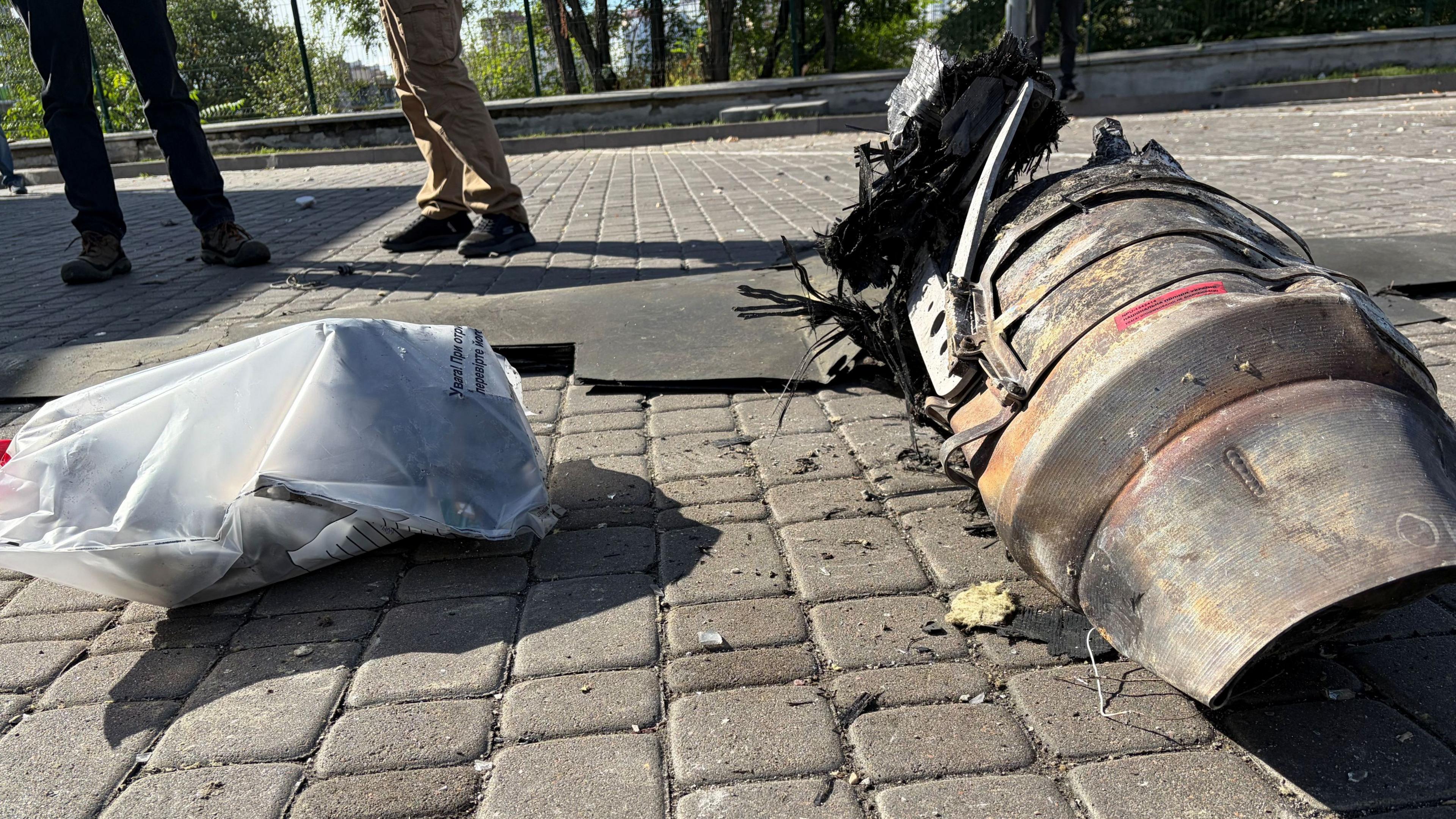
The city is grappling with both extreme cold—sub‑zero temperatures and frequent power cuts—and a sustained bombardment of infrastructure. Kyiv Mayor Vitaly Klitschko warned the city was "tearing apart" after attacks on petrol stations, power plants and bridges over the Dnipro river. Residents like Mariia are uncertain whether the cost of leaving outweighs the relentless danger.
A September survey by Gradus research found 40% of Ukrainians are considering relocation if conditions deteriorate; 35% would stay, while 25% remain undecided. "People are thinking about a combination of stress factors—the electricity, the food supply, the health risk," said Gradus CEO Evgeniya Blyznyuk.
For those staying, the city is expanding options for the most vulnerable: elderly citizens and families with young children are being placed in converted sanatoriums and forested outskirts rehabilitation centres. Authorities have also erected 15 small‑scale power plants in fortified bunkers, each able to supply heat and electricity to several hundred apartments.
Still, the threat of more attacks remains. Some residents are turning to rural life; Olena Konoplia chose a cottage two hours from the city, avoiding any major transport hubs or logistic centres that could attract targets. She has installed gas‑powered heaters and firewood stores and added high‑speed internet for her work at a Kyiv‑based foundation.
As many people weigh the risks, Ukrainian authorities say most will postpone moving until the situation becomes truly unlivable. Despite some temporary refuge and new power plants, the looming winter and continuous raids keep the uncertainty alive.