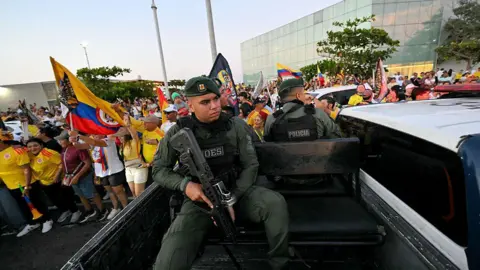
Colombia’s presidential election in June 2026 sits against a backdrop of escalating violence, violence that has uprooted families, inflamed drug trafficking routes and weakened state presence everywhere from Bogotá to the Pacific coast.
“We killed our own brother in front of his children because he denied paying an extortion fee,” says resident Edilma Martínez Flores, who left her home in the outskirts of Cali when armed groups demanded she move to a safe zone. Her story echoes that of thousands who have fled, leaving half‑baked possessions behind as bomb‑taped routes criss‑cross rural roads.
In the past decade the nation’s armed groups have surged—FARC dissidents, the National Liberation Army (ELN) and the Clan del Golfo now control large swaths of territory used for illicit mining and cocaine smuggling, while an estimated 70,000 people have been displaced in the last conflict cycle near the Venezuela border.
President Gustavo Petro's “total peace” agenda has brought him under fire. A left‑wing senator, Iván Cepeda, sees this strategy as the linchpin for success, yet critics argue it has allowed armed groups to use ceasefires as a foothold. Cepeda, who negotiated the 2016 peace treaty, promises a “social transformation” that would re‑think the current approach while pledging more structural reforms.
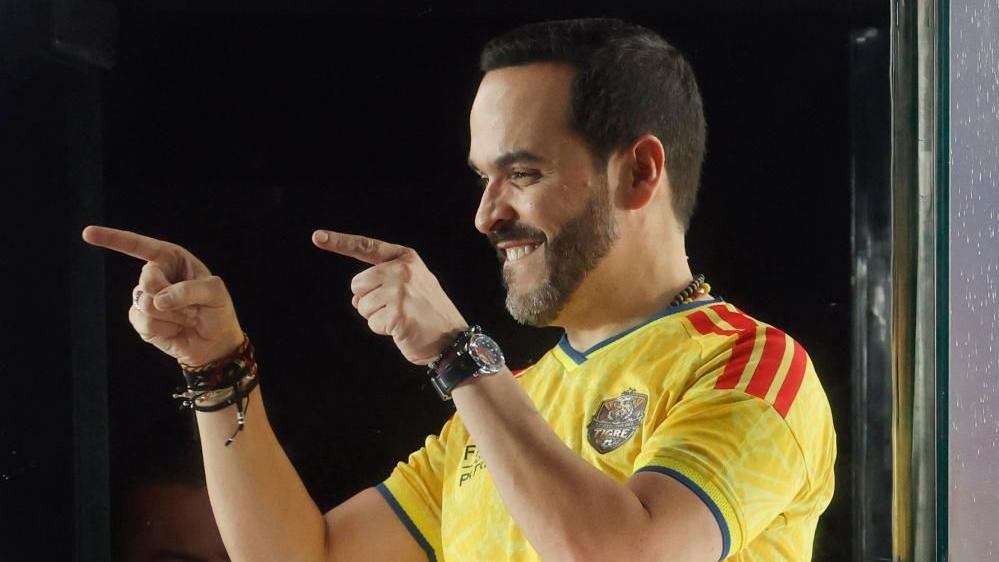
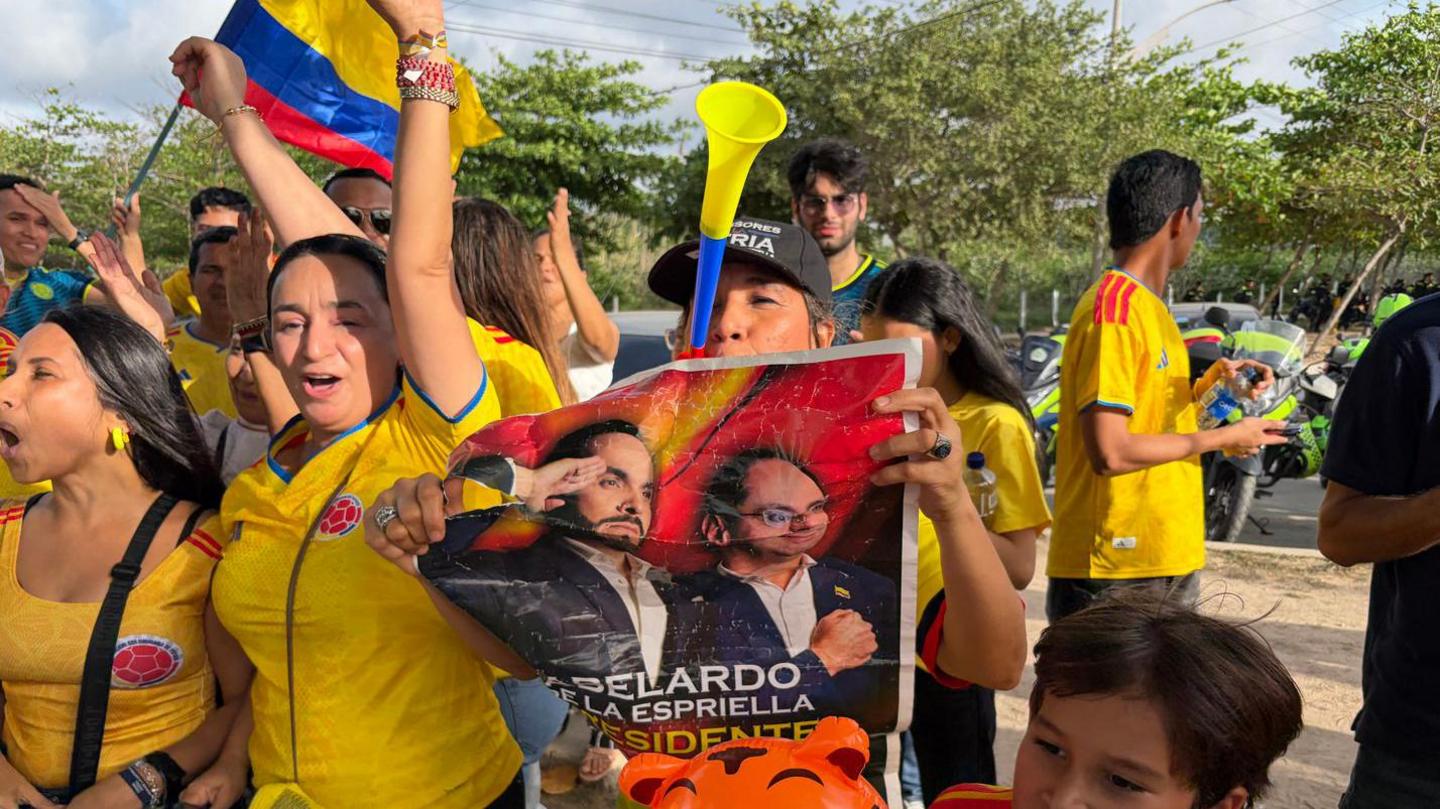
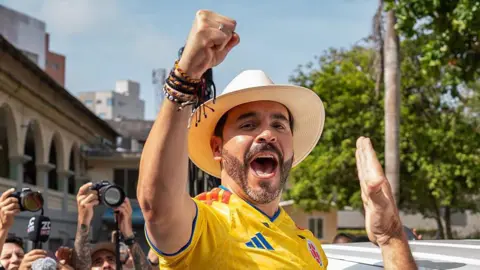
Conversely, right‑wing businessman Abelardo de la Espriella, also known as “El Tigre,” has been endorsed by former U.S. President Donald Trump. He vows 10 mega‑prisons, a military crackdown, and an end to negotiations with armed groups—positions he insists will end the cycle of “criminality” that occupies the nation.
The stakes for ordinary citizens are stark: researchers estimate a 300 % jump in forced displacement between 2024 and 2025, largely driven by rising cocaine production, forgotten state presence in former FARC zones, and a perceived “failure” of the government's strategy. Many fear a repeating pattern where violence limits political debate and disproportionately harms the poor.
A handful of young voters, in particular, still lean towards Cepeda, hoping his blend of repressive security measures and inclusive social programmes will break the cycle. “We want negotiated security—combining force with social support,” says student Catalina La Grande.
With a nation shrouded in conflict and divided over security policy, the June vote may set the direction for Colombia’s continuing rehabilitation and its relationship with the United States.