The Deal’s Immediate Breakthroughs
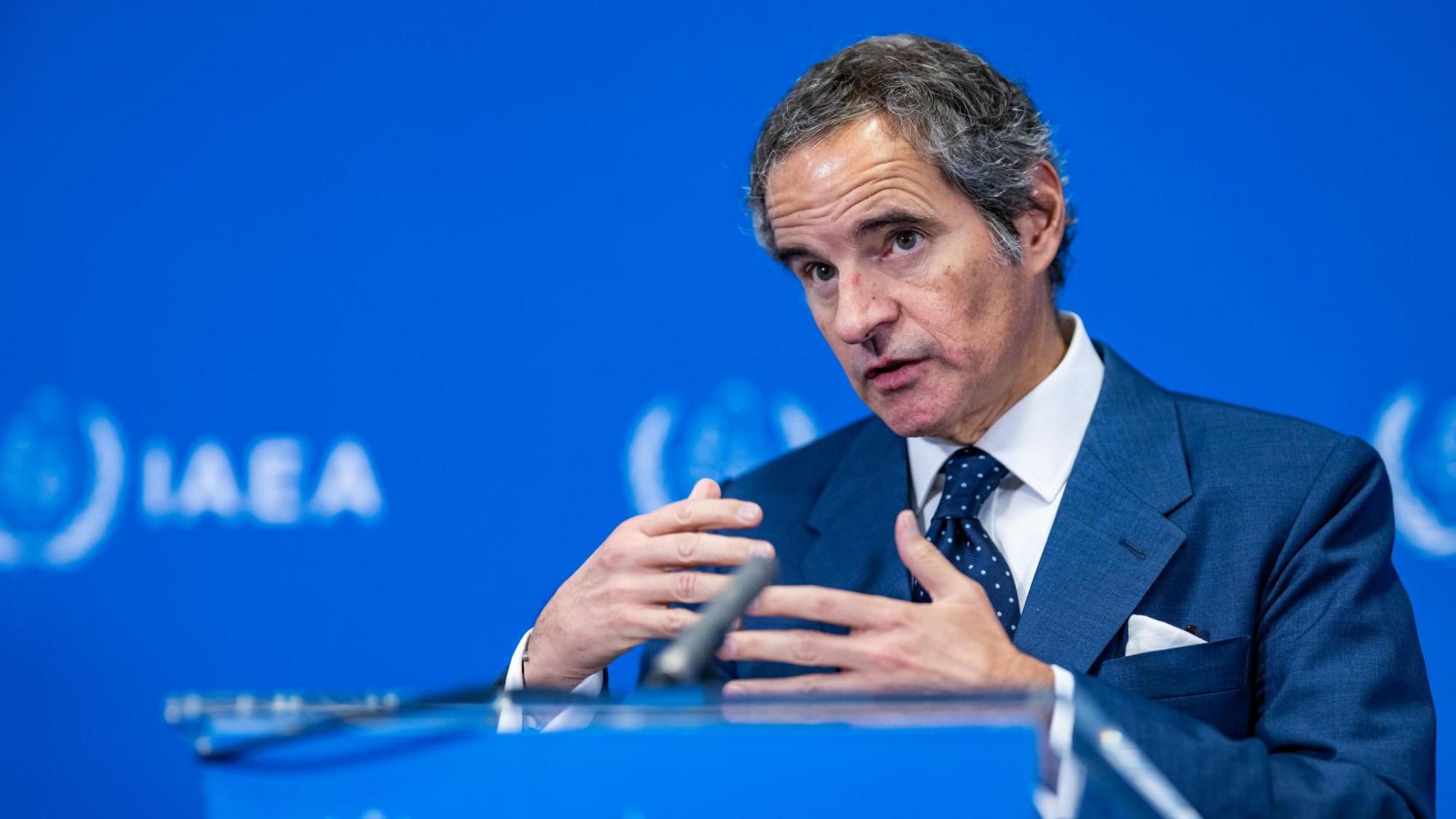
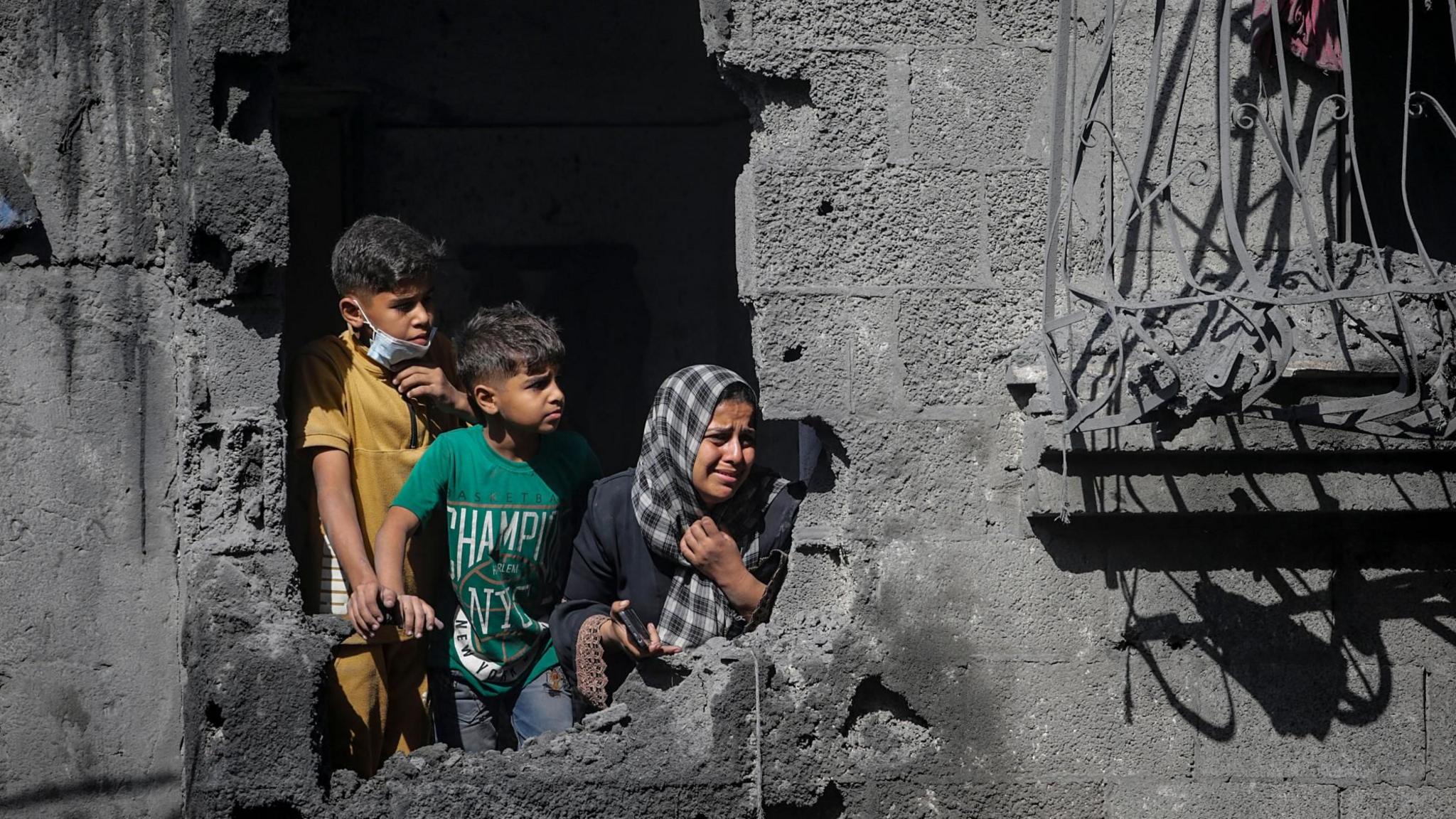
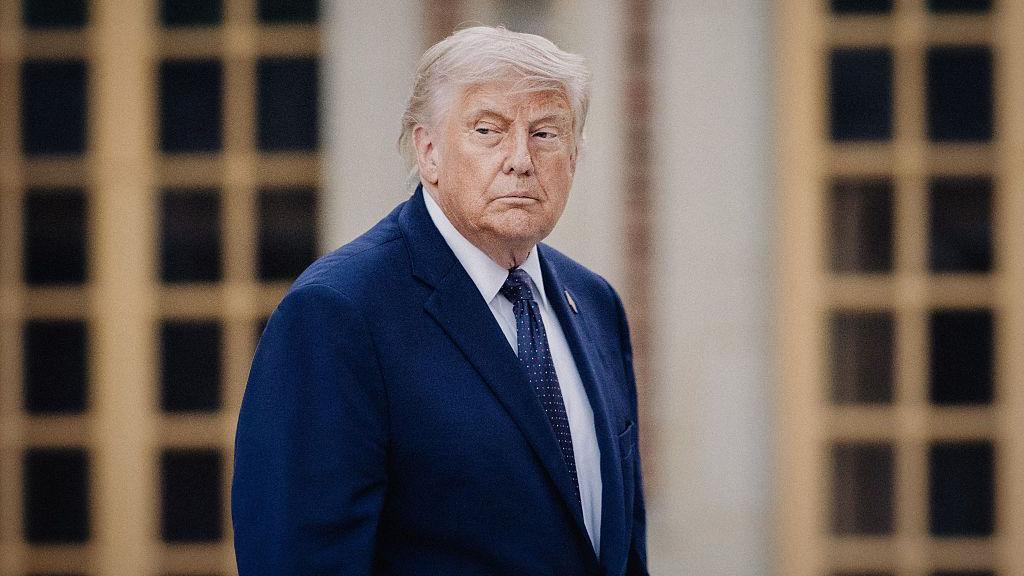
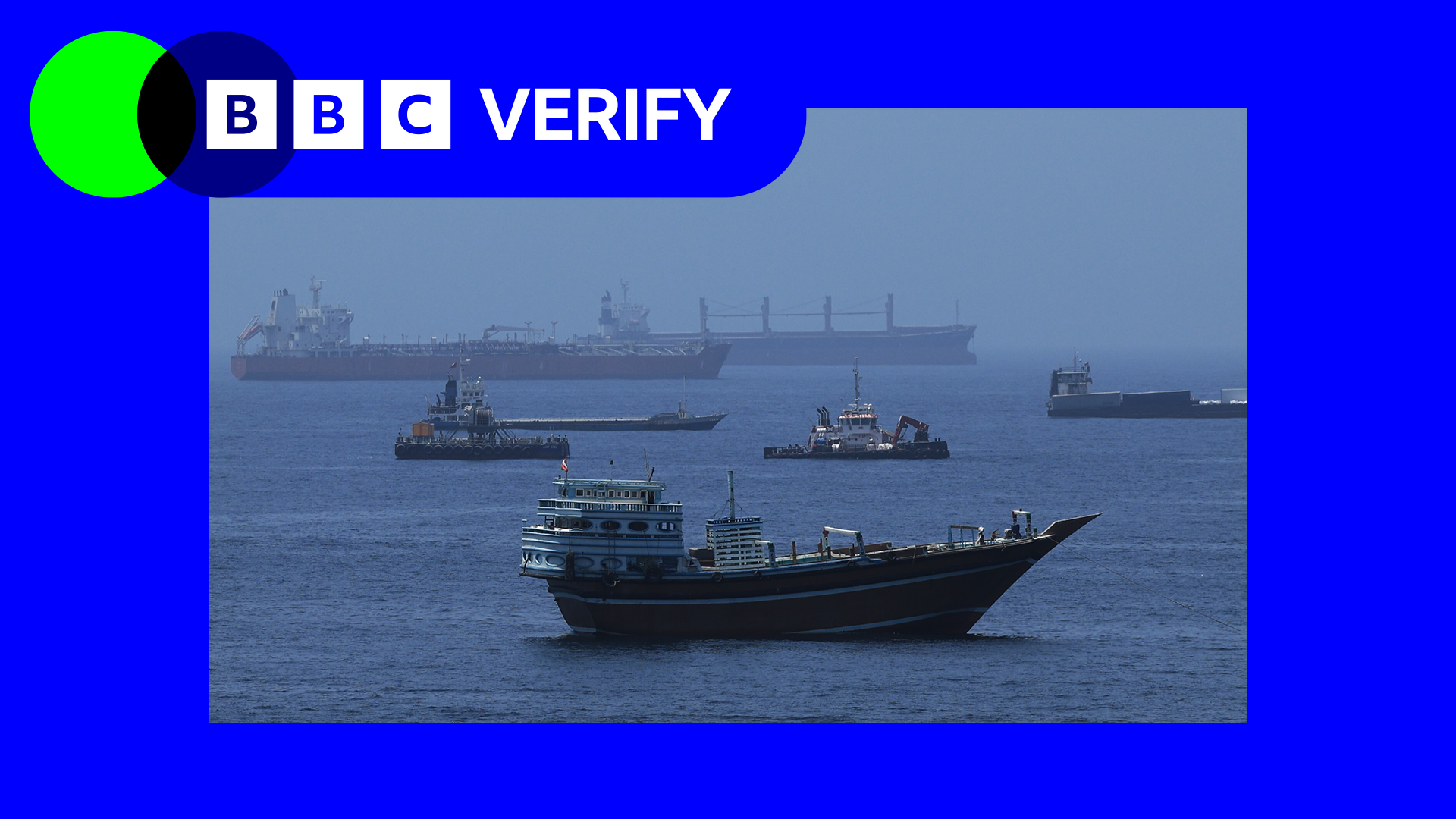
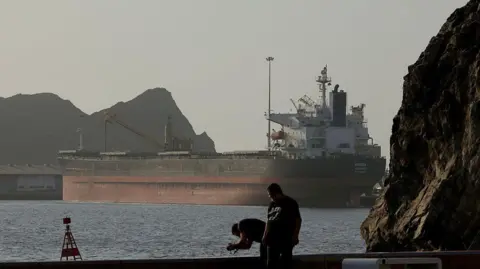
A formal Memorandum of Understanding, signed by President Donald Trump and Iran’s President Masoud Pezeshkian on 17 June, ends hostilities that have lasted over 100 days between the United States, Israel and Iran. It immediately unlocks the Strait of Hormuz, lifts the U.S. naval blockade and signals a cessation of military activity on all fronts, including Lebanon.
What Iran Gains and Why It Feels Safe
The agreement allows Tehran to claim it survived the war intact. Tehran now promises to keep its nuclear programme non‑weaponised and to negotiate the status of its highly enriched uranium, while at the same time pledging safe passage for commercial shipping through the Strait. The U.S., on its part, vows to restore sanctions relief, waive restrictions on Iranian oil exports, and help finance a $300 billion reconstruction and development plan.
The Political Risk on Both Sides
Inside Iran, politicians and the Revolutionary Guard have shown hostility to any compromise that could be seen as a surrender. This creates pressure on negotiators to keep the agreement up‑to‑date while handling hard‑line critics who fear a loss of face. In Washington, former allies and Republican officials claim the U.S. has received too many concessions, especially regarding the promised reconstruction fund, and question whether the deal truly stops Iran from developing a nuclear weapon.
The Deal’s Core Issue: Nuclear Questions
The 60‑day period of this memorandum is a breathing space for both sides, but the real test is how the parties negotiate over Iran’s nuclear programme. A small slip may trigger a return to conflict, while a sizable concession could erode domestic support in Tehran. The deal leaves the fate of high‑enriched uranium, the future of Iran’s enrichment industry and the rebuilding of damaged facilities to be settled later.
Why the Agreement Appears ‘Major’ to Trump but ‘Minor’ to Critics
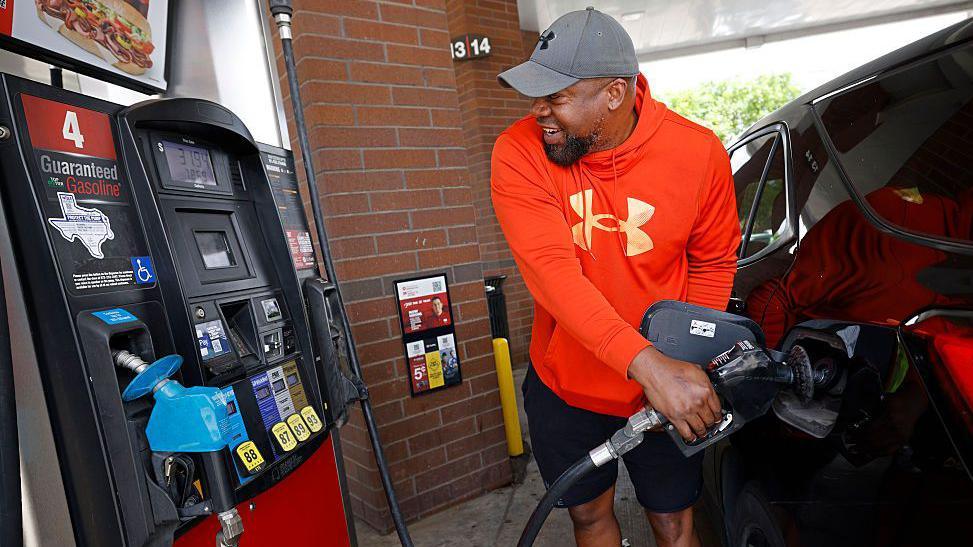
To the former President, the closure of the Strait of Hormuz and the promise of a worldwide economic rebound are tangible victories that stand against the high price of oil that had been a political liability for his 2024 campaign. Critics, however, argue that the deal was presented as a win while many key parameters—especially nuclear dis‑incentives—remain negotiable. Some are also uneasy about the potential financial benefits that might provide funding to groups in the region, especially costlier construction projects in Iran.