In brief
The United States has announced it will discontinue funding for South Africa’s HIV and AIDS initiatives that have relied heavily on the President’s Emergency Plan for AIDS Relief (PEPFAR). The decision is part of a broader strategy to encourage the host nation’s self‑reliance after a series of diplomatic disputes originating in President Trump’s administration. South Africa’s health ministry points out that most antiretroviral drugs are funded by the government itself. The US cites a lack of progress on requested policy reforms as the reason for the phased drawdown and notes that the South African government has continued to run its own programs. The move marks a significant setback for one of the world’s largest HIV‑positive populations.
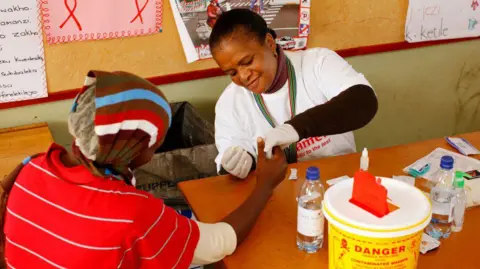
The United States has announced it will stop funding South Africa’s HIV and AIDS programs that fall under the President’s Emergency Plan for AIDS Relief (PEPFAR), a program that has helped over 8 million people living with HIV in the country.
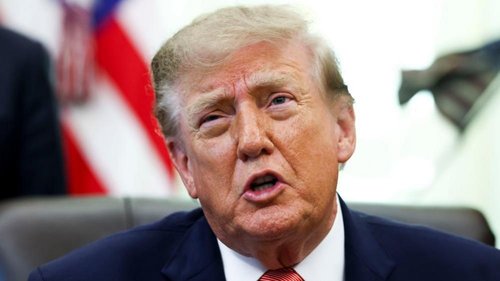
The U.S. State Department has linked the decision to South Africa’s alleged failure to protect “white‑minority” Afrikaners and to broader policy disputes that began when President Donald Trump signed an executive order in 2025 accusing the nation of dismantling equal opportunities for certain groups.
Until 2025, the United States has contributed an estimated $400 million per year—about a fifth of South Africa’s total HIV spending—through PEPFAR. A “bridge plan” was introduced in October to give South Africa time to transition, but a U.S. official now confirms that a phased drawdown will commence because of “lack of demonstrable progress” on the requested reforms.
South Africa’s health ministry says it was not formally notified of the funding cut but notes that it has been working on a self‑reliance strategy. It also stresses that the drugs that save lives are financed mainly by the national budget, not by PEPFAR.
The decision follows a period of strained U.S.–South Africa relations: a controversial White House meeting, Trump’s boycott of the G20 summit in Pretoria, and accusations that the president’s administration is fostering a “white genocide” narrative that has been widely discredited.
The drawdown marks a setback for one of the world’s largest HIV‐positive populations. For more in‑depth analysis, read the related BBC articles linked below.
See how US funding cuts are affecting South Africa’s fight against AIDS.Explore the broader implications of US-South Africa political tensions.