Vance Steps Into Spotlight as Iran Deal’s Face Behind Trump
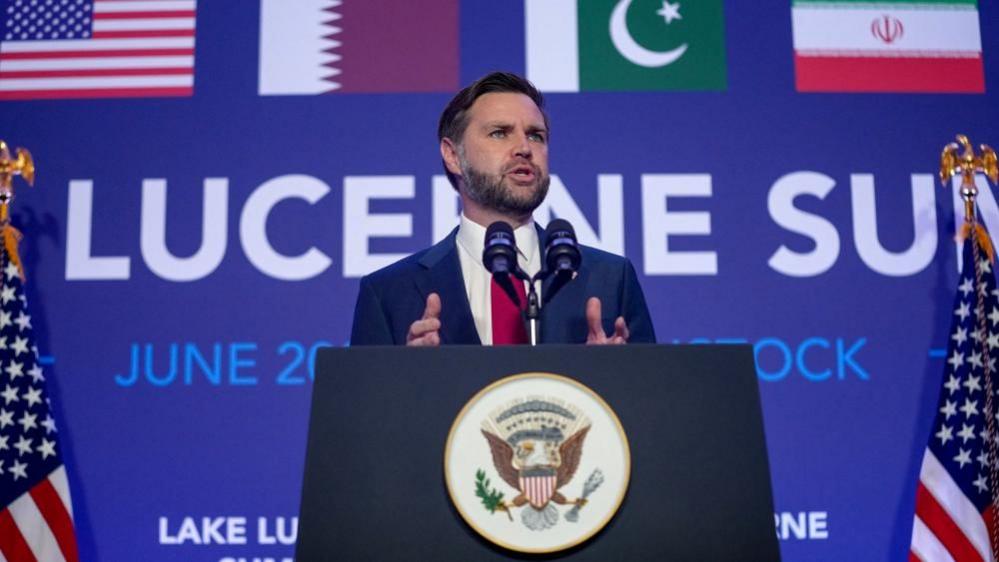
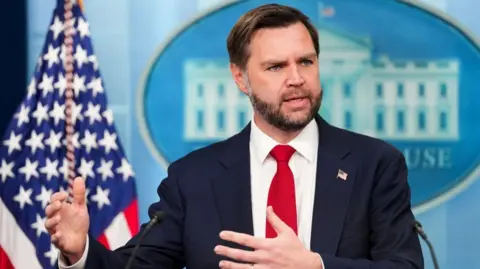
Vice‑President JD Vance has become the front‑line spokesman for a controversial U.S.–Iran agreement that, while touted as a key step to curb Iran’s nuclear ambitions, remains highly contested by many Republicans. In a White House press briefing on Thursday, Vance brushed aside a question asking whether President Donald Trump was positioning him as a fall‑guy, saying the former president was only joking when he previously joked that he might blame Vance if the deal collapsed.
Vance’s defense of the memorandum came at a time when the white‑hat ‘in‑between‑the-lines’ politics are at a fever pitch: Trump called the document “Fake News” after Vance mentioned a $300 billion reconstruction fund for Iran, and the deal’s official text was only recently released, detailing a U.S. commitment to work with regional partners on a plan to fund Iran’s reconstruction.
The tension rose again when the White House announced Vance would not travel to Switzerland—where he was scheduled to attend a signing ceremony with Iranian leaders—"at least for now," with logistics not yet finalized. Trump has also down‑played the memorandum’s significance, questioning whether it was an important enough document for him to sign, and then signed a paper copy of the deal during a banquet at the Palace of Versailles.
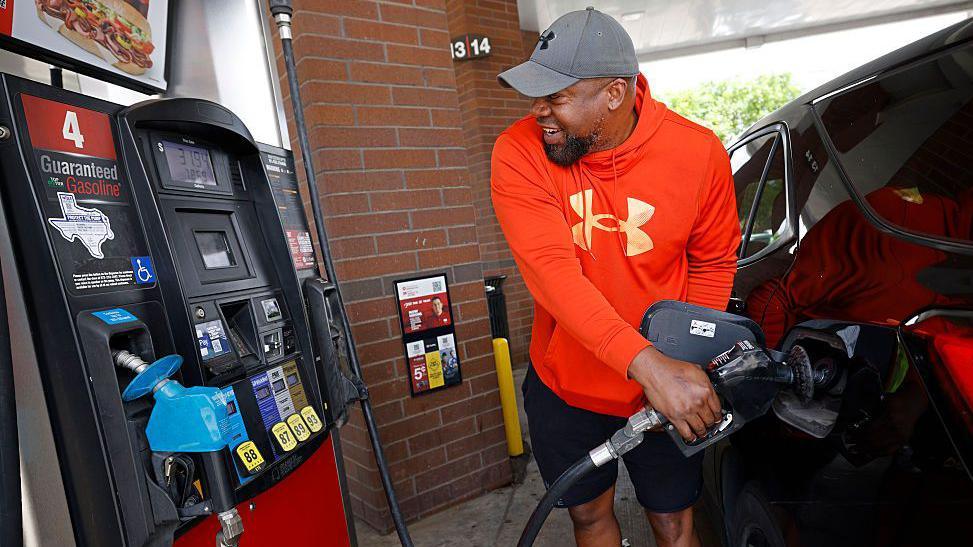
Amid the political carousel, Vance continued to press his case: he highlighted falling gasoline prices, said the deal brings immediate dividends to Americans, and stressed that success will depend on Iran honoring its promises. He also promoted his new book on faith and his conversion to Catholicism, even as he was interviewed across the media, including a brief appearance on ABC’s "The View".
Republican critics are split. Some fear that Vance’s Iran‑war portfolio will become a liability in the 2028 primary, while others view him as a potential loser if the deal fails. Nonetheless, Vance has faced calls to reaffirm or push back the memorandum’s delicate provisions, including its lack of a detailed stance on the nuclear question.
With the debate still alive, the key takeaway remains: Vance is at the centre of a diplomatic effort that could reshape U.S. relations in the Middle East, but he must also weather domestic political storms before the final agreement is signed—if they are ever signed.