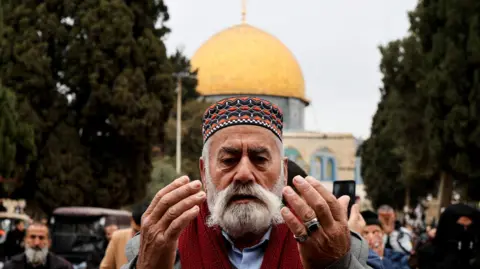
The al‑Aqsa compound in Jerusalem – known to Muslims as the Noble Sanctuary and to Jews as the Temple Mount – sits at the epicentre of a centuries‑old holy‑site dispute. For over four decades it has been governed by a fragile status known as the Status Quo, a framework that limits who may pray, where they may pray and who administers the place.
In a stark breach of the Status Quo, Israeli right‑wing politician Moshe Feiglin led a group of around 20 ultra‑Orthodox Jews up the compound, singing songs and praying under the Dome of the Rock. The act was filmed, posted on social media and widely condemned for contravening both Israeli law and Islamic tradition.
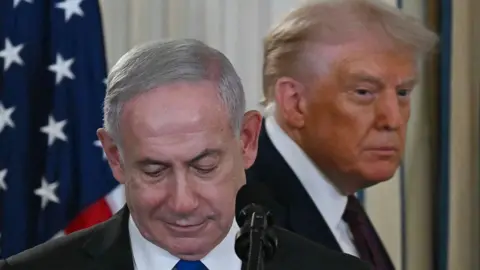
Feiglin is not alone. Over the past weeks, Prime Minister Benjamin Netanyahu’s far‑right National Security Minister Itamar Ben‑Gvir has used his office to allow Jewish prayers and public displays of Israel’s flag inside parts of the compound, a gesture that further entangles the already volatile status quo.
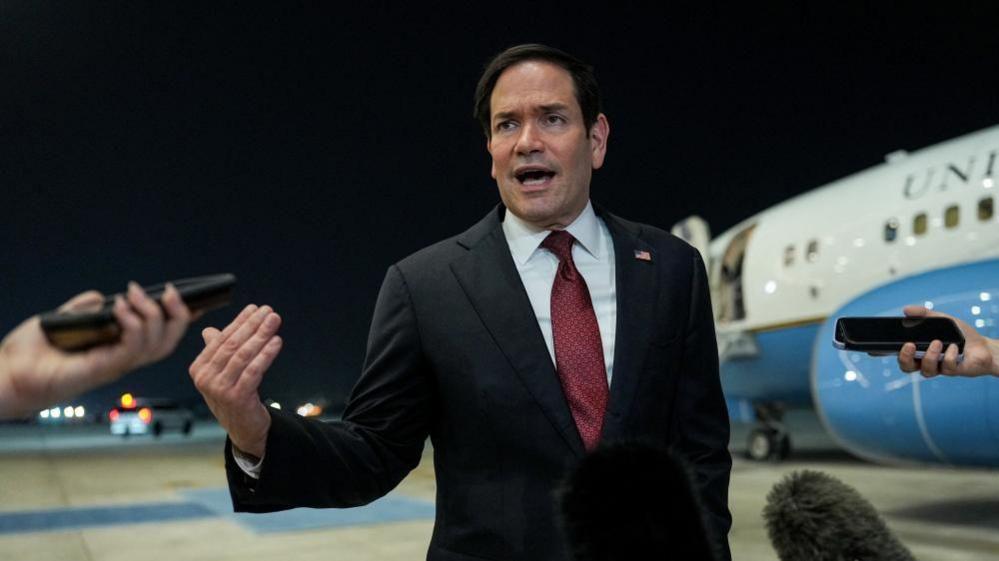
Meanwhile, reports have surfaced that the Israeli government is moving to transform al‑Aqsa into a “multi‑faith centre”, potentially shifting control away from the Jordanian‑administered Waqf and granting broader Jewish access. The U.S. Secretary of State, Marco Rubio, said he had “no knowledge” of such plans, but Lebanon‑based pundits and the U.K. have publicly expressed alarm at any erosion of the established order.
Dr. Mustafa Abu Sway, Deputy Head of the Waqf, warned that any institutional change would “open a Pandora’s box”, citing the violent backlash that followed Ariel Sharon’s 2000 incursion to the compound. Abu Sway noted that the Status Quo had helped keep tensions at bay after the 1990s summit between Jordan and Israel – the result of a treaty that still governs the holy sites.
Abu Sway’s concerns mirror those of many Muslim‑majority countries. Jordan, the Gulf states and Egypt have all characterised the recent marches and statements as a direct attack on Islamic authority. The British Foreign Office has reiterated that the historic arrangements at Jerusalem’s holy sites must be respected.
The situation underscores how quickly a sacred landscape can become a flashpoint. History has shown that when the aggrieved minority is visually and legally excluded, the results can be tragic – as in the second Palestinian intifada that erupted after 2000. The latest events now pose a risk of inflaming a broader conflict.
In the coming months, international actors are monitoring the page, hoping the islands of negotiated stability will outlast the siren calls of nationalism and religious fervour.