What the MOU Means
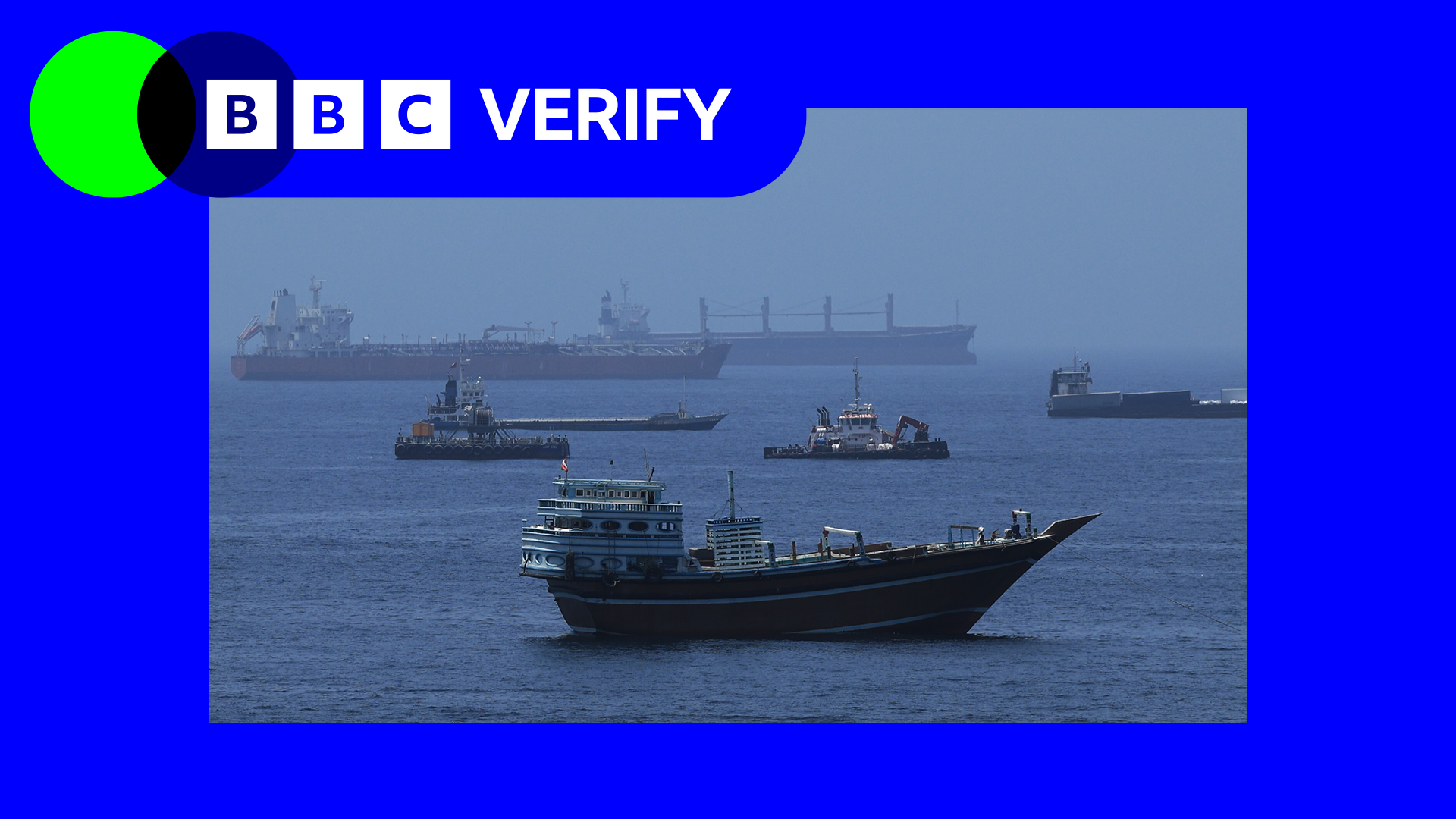
The memorandum of understanding that President Donald Trump signed with Iranian President Masoud Pezeshkian in Paris ends the 2023 war that killed thousands of civilians in Iran and Lebanon. It reopens the Strait of Hormuz – once shut in February – allowing the world’s shipping lanes to run freely again.
In return, the United States will lift its sanctions and start unfreezing Iranian assets, unlocking billions of dollars in oil revenue for Tehran. The deal also commits the US and Iran to a 60‑day nuclear negotiation that could potentially restore the nuclear deal that collapsed in 2018.
The agreement signals a strategic defeat for the US, Israel and their allies. The regime in Tehran survived a coordinated strike by Israel and the US, proved its resilience, and doubled its economic clout through the Strait of Hormuz, a far cheaper weapon than the decades‑long network of proxies in the Middle East.
Implications for Israel
The MOU also forces Israel to confront a hardline stance on Lebanon. Israel wants to keep its “free hand” in Lebanon, but the US insists on ending hostilities there – a rift that could affect Israeli politics in the upcoming elections.
Netanyahu’s long career, built on hardline security and a promise to defeat Iran, might face a reckoning, as voters reassess his role in the 2023 war that exposed Israel’s intelligence gaps.
Strategic Lessons
The war highlighted that striking the Iranian regime’s leaders did not collapse the nation – its institutions are deeply embedded in Iran’s ideology and national identity. The US and Israel’s assumption that regime change was a simple pill‑box answer proved wrong.
Closing the Strait of Hormuz produced an immediate, global economic shock that no coalition could repeat, redrawing power balances away from the West and towards a more resilient Iran.
The Road Ahead
The MOU is a first step, not a deal. Success hinges on a delicate trust matrix between Washington and Tehran, and on the Israeli willingness to accept a cease‑fire in Lebanon. Hardliners on all sides may stall or sabotage the talks, making the future of the Middle East uncertain.
If the nuclear talks succeed, the region could transform toward stability; if they fail, the world may see another catastrophic conflict, though the MOU still narrows the immediate damage by reopening global shipping lanes and ending daily hostilities.