
In brief
Vice‑President J.D. Vance withdrew from a scheduled trip to Switzerland, which led to the postponement of a new round of U.S.‑Iran talks at the Burgenstock resort. The White House said the logistics were “not simple or predictable,” adding that the talks were not yet finalized. The decision comes after the U.S. lifted a naval blockade of Iranian waters and signed a deal that includes reopening the Strait of Hormuz, a $300 billion reconstruction aid package, and a pledge for Iran not to develop nuclear weapons. Meanwhile, diplomatic fingers point to the ongoing Israeli‑Hezbollah conflict in Lebanon and the Supreme Leader’s controversial approval of the deal. The next phase of negotiations is expected to focus on implementing the agreement and addressing long‑term issues such as Iran’s nuclear program.
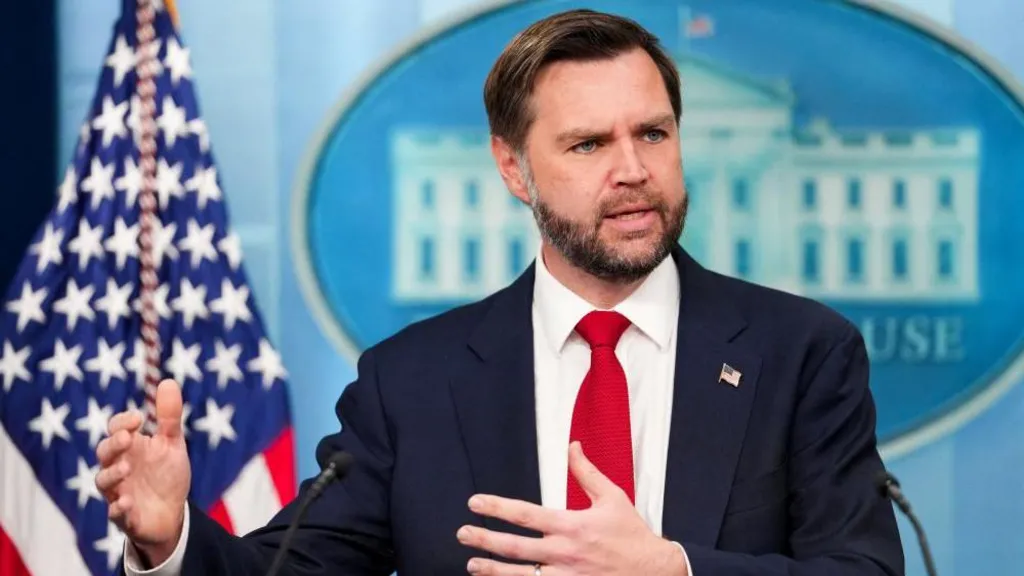
Vice‑President J.D. Vance pulled out of a scheduled trip to Switzerland, causing the U.S. to postpone a new round of talks with Iran at the Burgenstock mountaintop resort. The White House said the logistics were “not simple or predictable” and that the talks had not yet been finalized. It also added that it looked forward to beginning technical discussions “as soon as possible.”
The decision came one day after Washington lifted a naval blockade of Iranian waters following a deal signed earlier this week that includes reopening the Strait of Hormuz, a $300 billion reconstruction plan, and the removal of most sanctions on Iran. The agreement also obligates both sides to implement the pact within a maximum of 60 days, extendable by mutual consent.
The talks were expected to focus on the implementation of the deal and to begin discussions on long‑term issues, notably Iran’s nuclear programme. In the meantime, Israeli air strikes on Hezbollah‑linked targets in Lebanon’s southern Nabatieh district have intensified, killing at least 18 people and injuring dozens. This backdrop has raised concerns that the Iranian‑Hezbollah angle may further delay negotiations.
Iran’s Supreme Leader Mojtaba Khamenei said he had approved the agreement, describing it as a result of President Trump’s desperation while insisting that any future “in‑person negotiations” would not mean acceptance of the enemy’s position. Hezbollah‑linked Lebanese media reported that the talks had been suspended because of ongoing Israeli strikes. The U.S. and Iran now await a new scheduling window to resume negotiations while the region continues to experience armed conflict.

