In brief
India's massive investment in metro systems has not translated into expected ridership numbers. A recent analysis reveals that less than 15% of projected daily passengers are actually using the new metro lines. Factors such as high fares, inadequate last-mile connectivity, and poor planning hinder the utilization of the multimillion-dollar infrastructure.
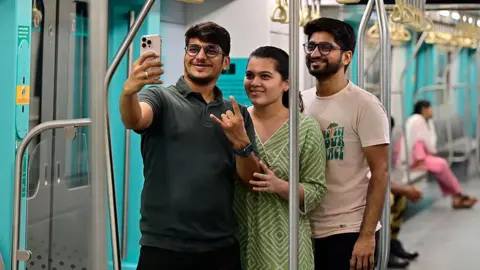
On a weekday evening last month, Mumbai's southbound Aqua Line metro train nearly emptied out a couple of stops before the final one. On de-boarding, the last station bore the look of a desolate Soviet-era structure rather than a bustling terminal in a city known for crowded spaces. The Aqua Line, which connects the old business district of Cuffe Parade to newer commercial hubs like BKC, opened last year with expectations to ease congestion in India’s financial capital.
The corridor, spanning 33.5 km (20.8 miles), was anticipated to carry nearly 1.5 million passengers daily, yet actual numbers hover around 150,000. As a ticketing executive noted, 'Not a lot of people are using the line. It's too expensive.'
This low ridership reflects a broader issue within India’s metro expansion, which has seen over $26 billion invested into increasing connectivity in nearly two dozen cities since 2014. Although the overall metro network has grown significantly—from under 300 km to over 1,000 km—many systems struggle to meet ridership targets laid out during planning stages. An IIT Delhi report states that actual ridership numbers often languish between 25% and 35% of projections.
Issues contributing to this trend include ticket prices that consume a significant percentage of lower-income workers' incomes and insufficient feeder buses for last-mile connectivity.
Citizens express frustrations as safety concerns and accessibility challenges deter potential users. While expectations for increased metro usage remain, experts warn that without reforms to address these varied issues, the systems may not reach their full potential.