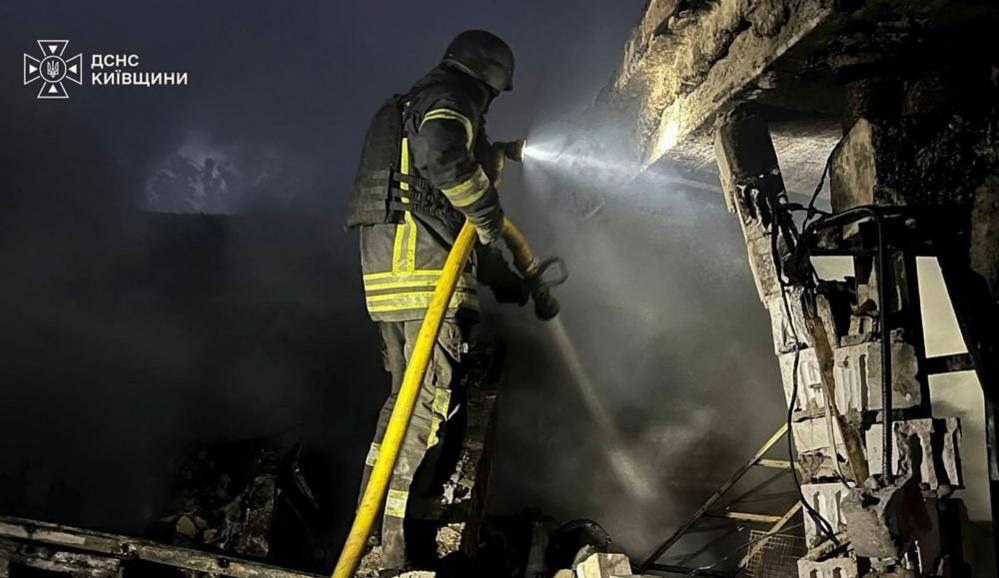
As news of the ceasefire spread through Israel's northern communities, sirens blared three times this evening warning of incoming rockets from Lebanon. In the sky above the northern city of Nahariya, Israel's air defense interceptors shot up to block them, triggering loud explosions. Ambulance crews reported at least three people wounded by shrapnel in the hours before the ceasefire took effect, with two individuals seriously injured.
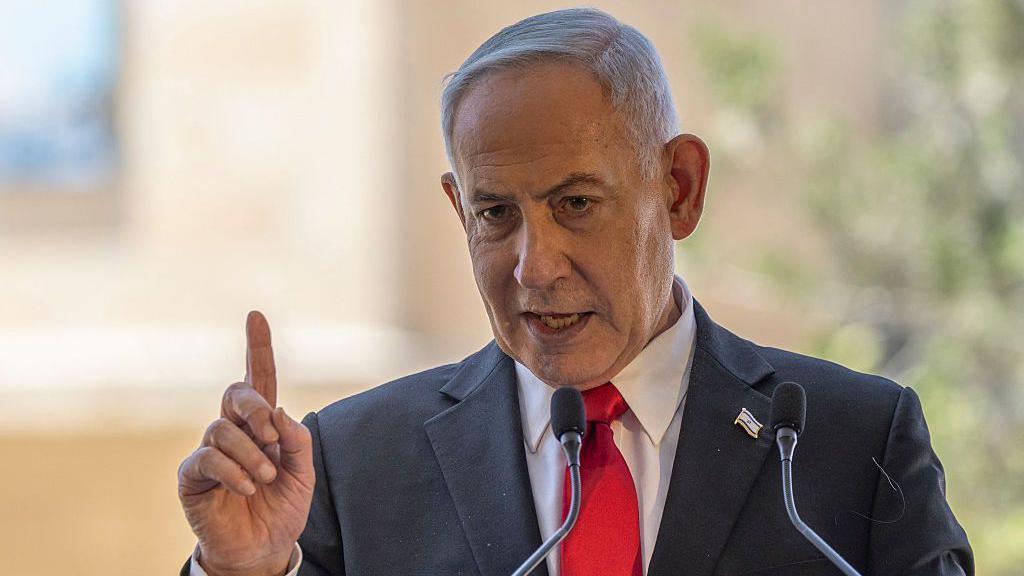
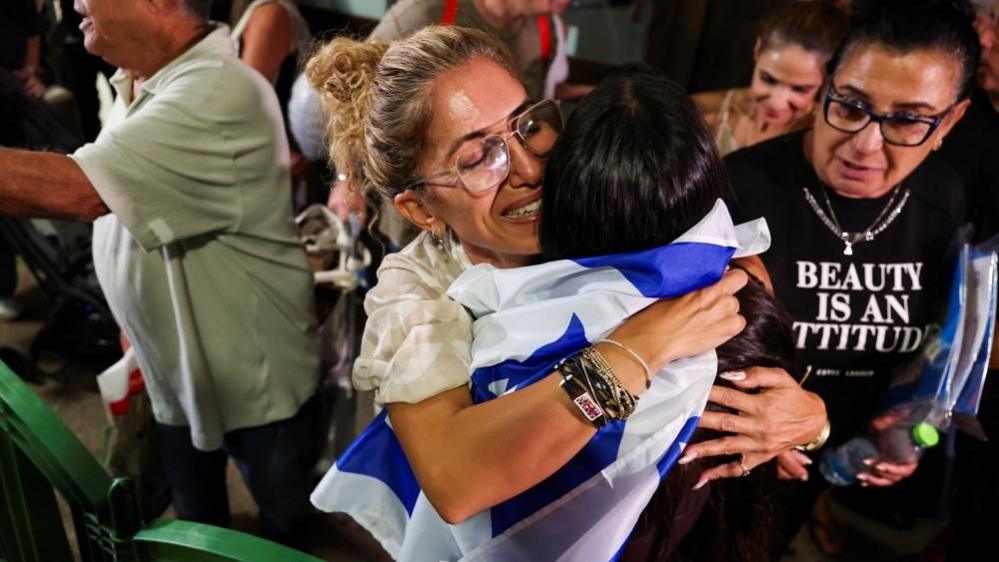
On the ground, skepticism ran high about Israeli Prime Minister Benjamin Netanyahu’s decision to sign the ceasefire. Many citizens expressed feelings of betrayal, citing past promises of security that appeared unfulfilled.
Gal, a student in Nahariya, voiced that he felt the government had deceived them. They promised that this time it would end differently, but it seems like we're once again heading toward a ceasefire agreement that solves nothing, he remarked.
Others echoed similar sentiments, asserting past failures of Lebanese leaders to control Hezbollah, undermining any form of lasting peace. Maor, a truck driver whose home was damaged in previous conflicts, lamented further inaction against perceived threats.
The ceasefire announcement reportedly took Israel by surprise, with Prime Minister Netanyahu convening the security cabinet just moments before the announcement, highlighting the fragile nature of the decision. Leaked information suggested that the ministers were not permitted to vote on the truce, which raises questions about its origins and motivations.
Critics of the ceasefire assert that it demonstrates Netanyahu's continued subservience to U.S. demands, suggesting that the interests of Israel do not align with those of their American allies. This sentiment is reinforced by a recent poll indicating widespread support among Israelis for ongoing military operations against Hezbollah.
Amid these tensions, both Netanyahu and Israeli military officials have emphasized that operations against extremist groups would continue despite the ceasefire, reaffirming Israel's right to self-defense.
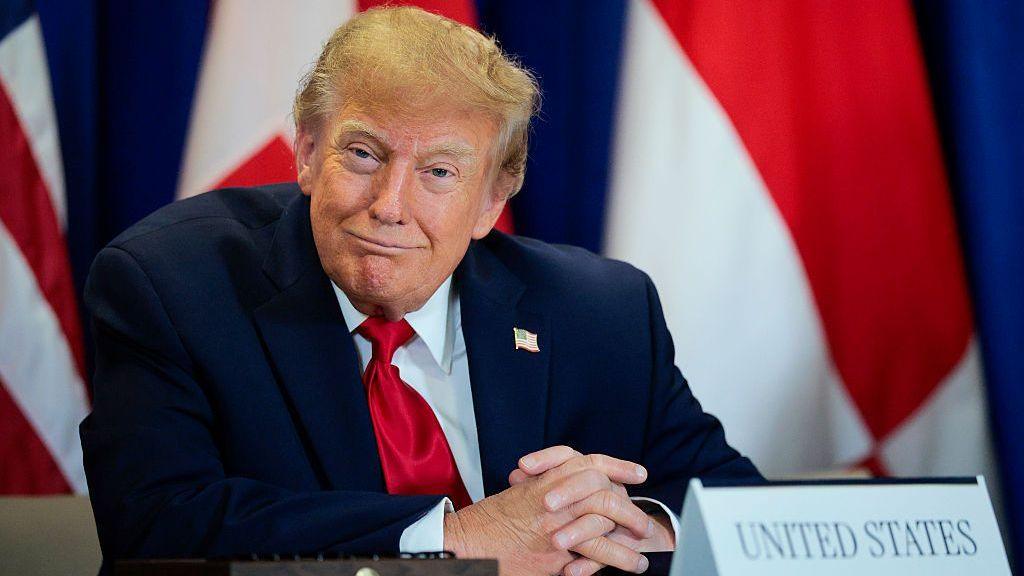
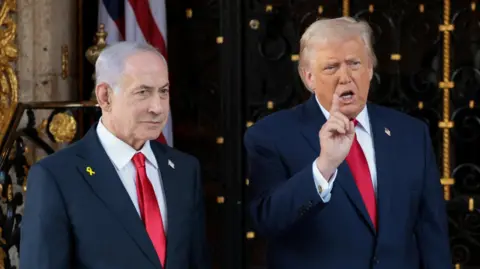
The complexities of the situation are compounded by Iran's influence in Lebanon and ongoing U.S. negotiations with Tehran, with President Trump positioning this ceasefire attempt as a means to ease tensions ahead of these discussions.
Ultimately, many Israelis remain unconvinced that this ceasefire marks the end of their struggles with Hezbollah and express concern about their government's ability to make independent decisions free from external influences.
On the ground, skepticism ran high about Israeli Prime Minister Benjamin Netanyahu’s decision to sign the ceasefire. Many citizens expressed feelings of betrayal, citing past promises of security that appeared unfulfilled.
Gal, a student in Nahariya, voiced that he felt the government had deceived them. They promised that this time it would end differently, but it seems like we're once again heading toward a ceasefire agreement that solves nothing, he remarked.
Others echoed similar sentiments, asserting past failures of Lebanese leaders to control Hezbollah, undermining any form of lasting peace. Maor, a truck driver whose home was damaged in previous conflicts, lamented further inaction against perceived threats.
The ceasefire announcement reportedly took Israel by surprise, with Prime Minister Netanyahu convening the security cabinet just moments before the announcement, highlighting the fragile nature of the decision. Leaked information suggested that the ministers were not permitted to vote on the truce, which raises questions about its origins and motivations.
Critics of the ceasefire assert that it demonstrates Netanyahu's continued subservience to U.S. demands, suggesting that the interests of Israel do not align with those of their American allies. This sentiment is reinforced by a recent poll indicating widespread support among Israelis for ongoing military operations against Hezbollah.
Amid these tensions, both Netanyahu and Israeli military officials have emphasized that operations against extremist groups would continue despite the ceasefire, reaffirming Israel's right to self-defense.
The complexities of the situation are compounded by Iran's influence in Lebanon and ongoing U.S. negotiations with Tehran, with President Trump positioning this ceasefire attempt as a means to ease tensions ahead of these discussions.
Ultimately, many Israelis remain unconvinced that this ceasefire marks the end of their struggles with Hezbollah and express concern about their government's ability to make independent decisions free from external influences.