In brief
Goa, once a vibrant hub for foreign tourists, faces a decline in international visitor numbers, with reports indicating a drop from around 900,000 in 2017 to approximately 500,000 in 2025. The shift is attributed to rising costs, complicated visa processes, and increased competition from more affordable destinations like Sri Lanka and Vietnam. Despite losing foreign appeal, domestic tourism flourishes, bringing new visitors from across India, illustrating a changing tourist landscape.
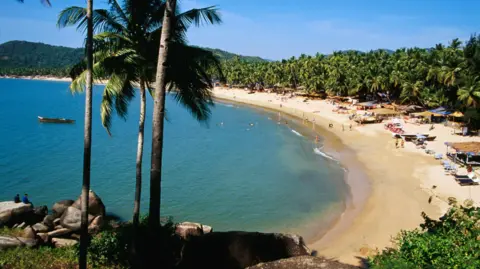
It is just past noon at the crescent-shaped Palolem beach on the southern tip of Goa's long, sandy coastline. The sun is blinding hot, but that has not deterred the tourist hordes from splashing about in the ocean.
The beachside shacks and cheap backpacker hotels embracing the bay in this state, often dubbed India's party capital, are filled to capacity. However, what's strikingly different from years past is the notable absence of European and Russian visitors who once flocked here.
The crowd is predominantly local, signaling a diminishing appeal among foreign tourists, although domestic visits have surged, highlighting an evolving tourist demographic.
Data from Goa's tourism office reveal a stark contrast: foreign visitor numbers plummeted from nearly 900,000 in 2017 to roughly 500,000 in 2025. Conversely, domestic tourist arrivals soared from 6.8 million in 2016 to over 10 million last year.
The tourism department attributes the decline to the global geopolitical climate, although these trends began before recent events.
We must adopt both pessimistic and optimistic perspectives while planning for the future, said Rohan Khaunte, Goa’s tourism minister.The reasons behind foreign tourists' retreat from Goa — a beloved budget retreat since the 60s hippie era — are multifaceted. Economic challenges stemming from the COVID-19 pandemic and subsequent conflicts involving rising transportation costs significantly impact travelers’ choices.
Sophie, a Russian ballet dancer on her fifth visit to Goa, noted that increased travel costs led several of her friends to opt for destinations like Turkey or Egypt, which are closer and more affordable.
Long visa application processes and escalated fees also deter foreign visitors, according to several tourists interviewed. Ernest Dias, a member of Goa's Department of Tourism, explained that the allure of cheaper accommodations and on-arrival visa policies in places like Vietnam and Sri Lanka redirect travelers away from Goa.
Increased local tourism and a thriving Meetings, Incentives, Conferences, and Exhibitions (MICE) sector have pushed foreign visitors out of well-rated hotels, emphasizing the impact of changing preferences and local dynamics.
With only a fraction of affordable beachfront resorts compared to competitors in other Asian locales, Goa struggles to retain its foreign visitor base, adversely affecting its tourism-driven economy.
The end of a direct London Gatwick-Goa flight has further complicated the situation, leading to inconvenient layovers for travelers.
Yet, the local government is taking action to revive foreign interest, with efforts such as targeted roadshows to attract international visitors from new markets.
Amidst the competition from emerging tourist destinations characterized by affordability and cleanliness, Goa's charm will require rejuvenation efforts to reclaim its once-thriving international tourism scene.
}