In brief
Pahalgam, once a thriving tourist destination in Kashmir, is struggling to recover after a tragic attack a year ago. Tourist numbers plummeted, and local businesses are feeling the impact deeply. Despite signs of recovery, fear remains prevalent among potential visitors, while the community reflects on the tragedy's aftermath.
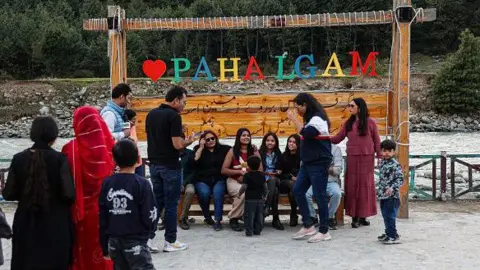
Nazakat Ali's phone rings in the evening, as it often does now. The 30-year-old tourist guide in Indian-administered Kashmir answers with the same practiced calm every time - yes, it is safe; yes, he will be there; yes, they should come. On the other end are people planning holidays to the stunning Himalayan region, known for its mountains and meadows. There is a lot of fear, he says. We have to convince them that everything is fine. A year after militants killed 26 people in Pahalgam town - one of the deadliest attacks on tourists in Kashmir in decades - the region's tourism economy has yet to recover. In the weeks that followed, authorities shut 48 of 87 tourist sites in the region. Visitor numbers fell sharply, from nearly three million in 2024 to under 1.2 million in 2025, according to official data. Some sites have since reopened, but Baisaran meadow - where the killings took place - remains closed. The assault struck at the heart of a fledgling industry that has endured despite years of uncertainty. Violence in Kashmir, claimed in full by both India and Pakistan but administered in parts by each, has claimed thousands of lives in the past few decades. The attack in Pahalgam added to the strain, triggering four days of military conflict between the neighbouring countries, with Delhi accusing a Pakistan-based group of carrying out the killings - a charge Islamabad denied. A ceasefire was announced four days later. Despite early signs of recovery across Indian-administered Kashmir, Pahalgam has struggled to attract visitors back, facing challenges rooted deep within the community's psyche following the attack. Local businesses are severely impacted, as tourism is the lifeblood of the economy. Hotel occupancy rates have drastically dropped, and entrepreneurs express frustrations over financial losses. The resonating sentiment among many locals is a mix of hope and fear. Tour guides and business owners like Nazakat Ali continue reaching out to potential visitors, hoping to revive a sense of safety and normalcy while grappling with the ghost of the past, where the landscape of Pahalgam remains unchanged, but feelings about safety linger like a shadow.