In brief
A well water testing initiated by Kristen Hanneman in Stella, Wisconsin, unveiled dangerous concentrations of PFAS, triggering widespread concern about water contamination across the community. The issue, linked to a nearby paper mill, has left many residents uncertain about the safety of their water supply while leading to increased lawsuits against responsible parties. As local officials scramble to address the contamination, property owners speculate about the long-term effects on health and home values.
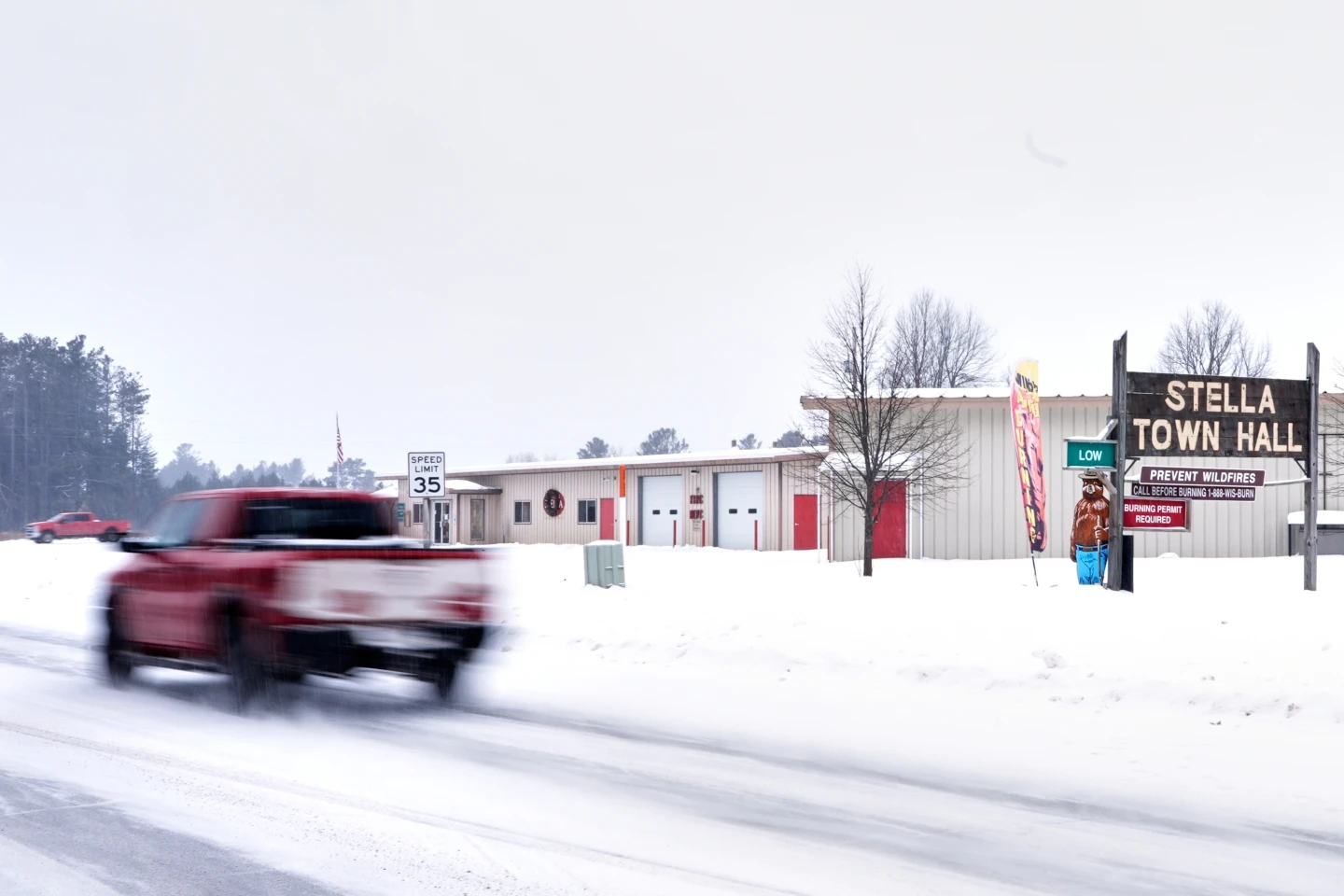
STELLA, Wis. (AP) — A small decision by Kristen Hanneman in 2022 ignited a major crisis in her hometown of Stella, Wisconsin, after she accepted an offer from state scientists to test her private drinking water well. The results were alarming, revealing PFAS chemical levels that vastly exceeded federal limits.
Located among lush potato farms, the community, once adored for its pristine waters, is now facing critical advisories against consuming locally caught fish and wildlife due to pervasive contamination. Residents have found themselves grappling with the uncertainty surrounding their drinking water, property values, and potential health risks.
Hanneman, who began her journey as an advocate for change after discovering the dangers in her own well, reflects on the broader implications: Had I just thrown that survey in the garbage, would any of this be where it is today? Many are now left to wonder how deeply the crisis will reach.
The source of the PFAS contamination is suspected to originate from a paper mill in nearby Rhinelander, where manufacturing processes used PFAS to create greaseproof materials for microwave popcorn bags. Toxic sludge from the mills, spread on local farmland, has raised serious concerns about groundwater quality. Residents seeking answers have formed a collective, filing lawsuits against the responsible corporations whose actions contributed to the contamination.
As state officials ramp up testing efforts, residents are left grappling with varying access to resources and testing, with some communities receiving more attention than others. Amidst lingering health concerns and possible liabilities, many question: What can be done to rectify the damage and ensure safe drinking water for the future?