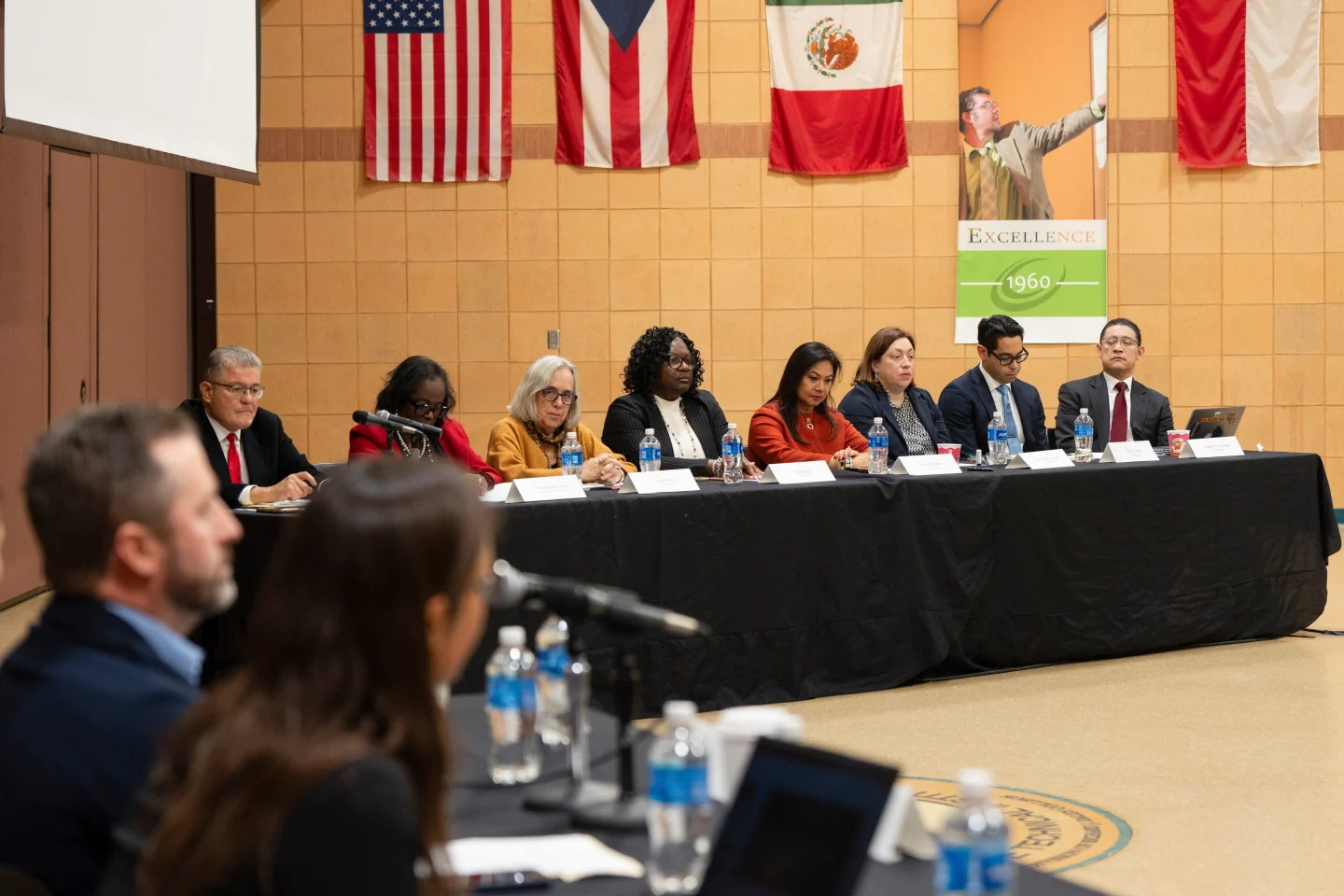
CHICAGO (AP) — A commission formed to document alleged harassment and abuse by federal agents during an immigration crackdown in the Chicago area reviewed the wide use of chemical agents in its first public hearing Thursday.
The immigration operation, which started in September, has been marked by aggressive tactics widely denounced by judges, elected leaders, and a growing number of residents in the nation’s third-largest city and surrounding suburbs. Formed by Illinois Gov. JB Pritzker, the commission is the latest resistance effort by a Democratic-led state to the Trump administration’s federal intervention, which critics say is discriminatory and an overreach of executive power.
“It’s going to be impossible to forget,” said Rubén Castillo, a former federal judge who leads the commission, of the immigration operation. “The one thing we cannot do is accept this. This cannot be the new normal.”
The meeting came as a Border Patrol commander — who was the face of the Chicago operation before leading similar crackdowns in North Carolina and Louisiana — surprisingly returned to the Chicago area this week.
More than 4,000 people have been arrested in the Chicago area crackdown, during which there was a fatal shooting by federal agents. The operation prompted multiple lawsuits and a new law that shields immigrants from arrests near courthouses, hospitals, and schools.
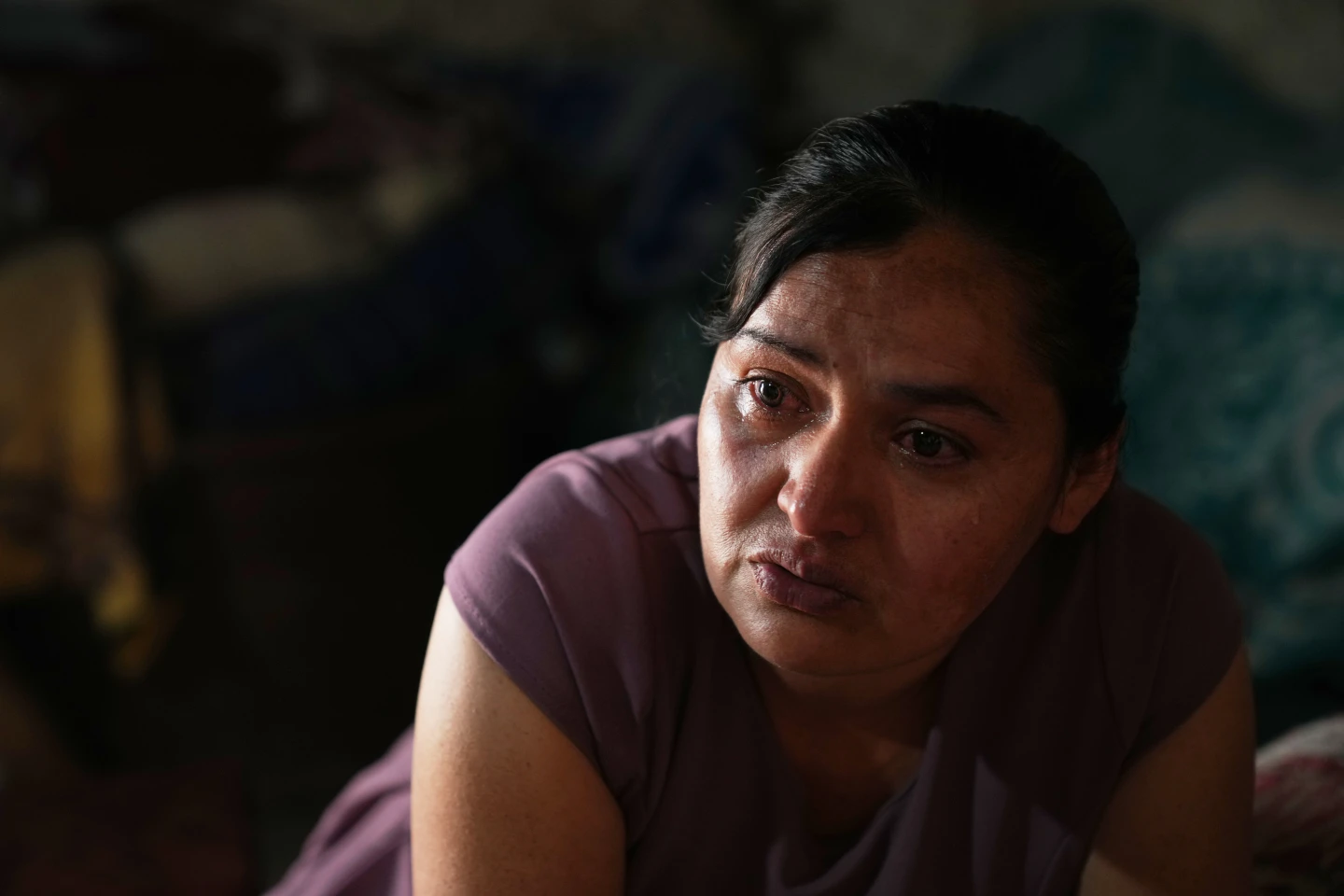
Community leaders have said the operation has been devastating to the community, with businesses reporting slowdowns and schools noting drops in attendance as many residents have remained on edge.
The hearing Thursday was held near Little Village, a neighborhood known as the “Mexico of the Midwest” that was among the hardest hit by immigration agents. Members included attorneys, community leaders, and retired judges who aim to create an accurate historic record of the impact on the community. “The narrative of removing dangerous criminals is simply not true,” said pastor Matt DeMateo.
With over 4,000 arrests to date, the operation faced criticism from various community leaders, and a coordinated resistance movement has emerged against what many perceive as aggressive and discriminatory tactics. Members cannot compel testimony but will issue a report next year with recommendations.
The Department of Homeland Security defended its approach as appropriate in the face of growing threats to federal officers, claiming successful arrests of violent criminals although records show that the majority of arrestees did not have violent criminal records. Critics continue to say that the crackdown has only heightened fears and traumatized families in these communities.